 Add Row
  Add
Add 



Conclusion: Transform Your Driving Experience with Interior Car Cleaning Orange CA
Ready for a fresher, healthier, more vibrant ride? Trust local Orange County experts for your next interior car cleaning Orange CA.
Ready for a fresher, healthier, more vibrant ride? Trust local Orange County experts for your next interior car cleaning Orange CA.
0 Views
0 Comments

Travel Tips for Car Owners to Save Time and Money
Did you know? According to AAA, nearly one in three drivers experience roadside trouble during road trips due to preventable issues. For car owners, a little preparation goes a long way in avoiding these disruptions, saving time, and keeping cash in your pocket. Whether you’re planning a scenic road trip or simply tackling daily commutes, mastering the right travel tips transforms your journeys into smooth and enjoyable adventures. In this comprehensive guide, you'll find actionable advice on everything from smart car maintenance and packing the ultimate emergency kit to leveraging technology and maximizing fuel efficiency. Ready to hit the road with confidence? Let’s get into the essential tips every car owner needs to know for a worry-free drive. Unconventional Facts: Why Smart Car Owners Rely on Effective Travel Tips "According to AAA, nearly one in three drivers experience roadside trouble during road trips due to preventable issues." Many drivers believe car maintenance is just a periodic task, but smart car owners know the truth: prevention is the ultimate money-saver on the road. Minor problems such as worn belts, underinflated tires, or low brake fluid can escalate into costly repairs and unexpected delays. If you’ve ever had your plans derailed by a breakdown, you know how quickly unnecessary repairs and lost roadside time add up. Incorporating travel tips for car owners not only boosts your safety but also extends your car’s lifespan — saving hundreds, even thousands, over time. Furthermore, as road trips become more common and vehicles age, the frequency of preventable incidents increases. Effective travel tips aren’t about overcomplicating your checklist — they’re about making informed, time-proven choices. Technology, proactive planning, and a focus on car maintenance can help you avoid joining the one-third of drivers regretting they didn’t check their spare tire or assemble an emergency kit. Embrace these tips and transform the way you travel, ensuring each adventure is memorable for the right reasons. What You’ll Learn in These Travel Tips for Car Owners How to prepare your car for efficient, cost-effective travel Essential car maintenance tips for road trips Money-saving hacks for travel planning Setting up the optimal emergency kit Best practices for tire pressure, belts and hoses, and cooling systems Essential Car Maintenance Travel Tips for Car Owners Pre-Road Trip Car Maintenance Checklist Inspect belts and hoses Test air conditioning and cooling system Check tire pressure and tread Review fluid levels and battery health Before you hit the road, ensuring your vehicle is in good condition is the most important task you can do to prevent disruptions during your journey. Start with a thorough inspection of belts and hoses — these small components are vital for the cooling system and air conditioning, supporting your car running smoothly. Look for cracks, fraying, or softness, as these can signal age or imminent failure. Next, confirm that your air conditioning and cooling system are operating efficiently, especially for summer road trips. Flush and refill the system if needed and address any leaks to avoid overheating problems down the road. Tire checks are just as crucial. Tire pressure should match manufacturer recommendations — remember to check when tires are cold, and inspect the tread depth to ensure proper grip and safety, especially if tire rotation is overdue. Don’t forget to check your spare tire and make sure your jack and tools are present. Lastly, survey all fluid levels: oil, brake fluid, transmission fluid, power steering fluid, and windshield washer fluid. If you’re close to needing an oil change or brake service, handle it now. A fully charged battery and functioning turn signals and brake pedal top off your essential pre-trip car maintenance, ensuring you’re ready to roll. Why Routine Car Maintenance Saves Money on Road Trips Regular car maintenance is the hidden key to a stress-free, budget-friendly adventure. When you keep tabs on belts and hoses, monitor tire pressure, and schedule necessary fluid changes, you drastically reduce the risk of expensive breakdowns and repairs down the road. For example, a worn belt that snaps during a road trip can disable your engine or coolant system, leading to tow fees, hotel bills, and major repairs. Meanwhile, simply maintaining the correct tire pressure improves gas mileage, while regular checks of cooling system fluids prevent overheating and preserve engine health. Timely car maintenance also helps spot small issues before they escalate. Something as basic as keeping your air conditioning clean reduces pressure on your engine and keeps your car running efficiently. Preemptive oil changes and topping up brake fluid support safe driving and can add thousands of miles to your vehicle’s lifespan. Smart owners know the best time to check your vehicle is before a road trip, not after an inconvenient breakdown. Adopt these car maintenance habits for every travel season and your wallet, as well as your passengers, will thank you. Top 10 Travel Tips for Car Owners to Maximize Savings Plan routes to avoid peak hours Pack a fuel-efficient emergency kit Monitor tire pressure for optimal mileage Use apps for gas price comparisons Keep your air conditioning running efficiently Avoid excessive idling Keep your car load light Don’t neglect belts and hoses Book accommodations in advance for deals Maintain regular car cleaning for better visibility and performance Saving money on road trips isn’t just about finding cheap gas stations — the details matter. Planning your route to bypass traffic jams and peak hours not only saves time but conserves fuel that would be wasted idling in congestion. When packing, prioritize a light and efficient emergency kit by including multi-purpose items and compact supplies. Regularly check your tire pressure for improved gas mileage; low or uneven tire inflation can drain your wallet at the pump without you even noticing. Taking advantage of technology is also a game changer. Download apps that track gas prices and plan pit stops where fuel is cheaper. Use navigation tools to avoid detours, and maintain your car’s air conditioning for comfort without excessive fuel drain. Resist the urge to idle your engine during long stops and avoid overloading your vehicle with unnecessary gear. Don’t forget to check belts, hoses, and fluid levels, especially before departing — it’s one of the simplest ways to avoid costly repairs down the road. Booking accommodations early often unlocks discounts and ensures your trip goes smoothly, while keeping your car’s interior and exterior clean enhances visibility, comfort, and overall performance. Watch: A step-by-step visual guide to checking car maintenance before a road trip. Expert Road Trip Preparation Tips for Car Owners Assembling an Effective Emergency Kit for Road Trips First aid supplies Essential fluids (oil, coolant) Jumper cables Portable phone charger Non-perishable snacks and water One element often overlooked by drivers gearing up for a road trip is the emergency kit. Think beyond the standard aid kit; savvy car owners tailor their kits for long journeys and unpredictable weather. Make sure to include first aid supplies for both people and pets, and keep extra bottles of engine oil and coolant handy to top up if your car running warning lights appear. In addition, jumper cables are critical for dead batteries, and a portable phone charger keeps your lifeline available in emergencies, especially in areas with limited services. Hydration is important — stock up on non-perishable snacks and plenty of water, especially for cross-country or summer road trips. Items like a tire inflator, flashlight with batteries, and a multi-tool can quickly get you back on the road or provide safety while waiting for assistance. Don’t forget to check your vehicle for an up-to-date insurance card, registration, and emergency contacts, all stored together in a waterproof pouch. Creating an efficient, well-organized emergency kit is a small price for peace of mind and a successful trip. Checking Tire Pressure and the Importance During Long Road Trips Tires are your car’s first line of defense on the open road. Maintaining properly inflated tires isn’t just a recommendation—it's an essential safety and budget tip for all car owners. Low or uneven pressure increases rolling resistance, causing your engine to work harder and use more fuel. Before your journey, check your tire pressure (including the spare tire) with a digital gauge. Ensure the tires are cold for an accurate reading and adjust to the PSI listed in your owner’s manual or on the driver’s door jamb. Underinflated or worn tires compromise control, decrease gas mileage, and make blowouts more likely, especially during long, high-speed road trips. For trips covering hundreds of miles, recheck the pressure every morning, particularly with fluctuating temperatures or loads. Examine tread wear using the penny test — if you see Lincoln’s head, it’s time for replacements. Regularly rotating your tires as part of your car maintenance routine also extends their life and saves money by preventing uneven wear. Belts and Hoses: Simple Checks to Prevent Major On-Road Expenses Belts and hoses may seem minor, but their failure can strand you far from home. Begin by inspecting hoses for bulges, splits, or excessive softness. Press gently along each hose to detect weak spots and ensure connections are secure at the radiator, water pump, and cooling system inlets. Examine belts for fraying, cracks, or missing ribs and tension them according to your vehicle’s specifications. If you hear squealing from your engine bay, don’t ignore it — it’s a classic signal of a worn or misaligned belt. Pay particular attention before summer road trips, since heat accelerates wear on rubber. Avoiding repairs down the road is as simple as replacing a $20 belt before it fails. Staying vigilant about belt and hose condition will help keep your car running smoothly and prevent more expensive breakdowns and tows during your travels. The cooling system relies heavily on these components to avoid engine overheating, so never forget to check them as part of your car maintenance checklist. Technology Tools to Help Car Owners Save Time and Money on Road Trips Best mobile apps for route optimization Navigation tools for fuel savings Car monitoring devices for ongoing car maintenance Today’s smart car owners have an advantage previous generations could only dream of: access to a world of digital tools at their fingertips. For road trips, route optimization apps find the fastest, least congested paths, saving both time and fuel. Gas price comparison apps allow you to plan refueling stops for the best deals, lifting the stress of high highway prices. Not only do these apps trim travel budgets, but they help avoid the frustration of getting stuck at poorly-timed stoplights or highway construction zones. Beyond navigation, vehicle monitoring devices now link directly to your phone, delivering real-time reports on tire pressure, engine health, battery status, and even reminders for specific car maintenance — such as oil changes, brake fluid checks, and tire rotation. These tools mean fewer surprises and more efficient trips, with maintenance alerts delivered right to your device. Smart integration reduces the risk of neglecting a critical task (like topping up transmission fluid or power steering fluid), making these investments indispensable to budget-minded and safety-focused travelers. App Name Main Feature Strengths Best For GasBuddy Find best fuel prices Nationwide gas price updates, station ratings Fuel savings Google Maps Route optimization Live traffic, alternate routes, nearby points Avoiding delays Waze User-reported traffic/navigation Real-time hazards, fast detours, road trip planning Community-based alerts Car Scanner Diagnostic monitoring Engine codes, fluid levels, maintenance reminders Ongoing car maintenance AAA Mobile Emergency help/location Trip planning, discounts, roadside assistance Emergency support People Also Ask: Essential Questions About Travel Tips for Car Owners What is the 20 4 10 rule for cars? The 20 4 10 rule is a simple guideline for smart car ownership costs. It suggests you put down at least 20% on your vehicle, finance over no more than 4 years, and ensure all car expenses (including the loan, insurance, gas, and maintenance) don’t exceed 10% of your gross monthly income. Following this rule keeps your car purchase reasonable and helps prevent financial strain from auto-related expenses. What is the 30-60-90 rule for cars? The 30-60-90 rule refers to a routine maintenance schedule: major service intervals at every 30,000, 60,000, and 90,000 miles. Services at these points often include changes for fluid (such as oil, brake fluid, transmission fluid), inspection of belts and hoses, and replacement of major filters. Sticking to the 30-60-90 schedule ensures parts are checked or replaced before they fail, keeping your car running smoothly and minimizing surprise repairs down the road. How long can a car sit without being driven? Generally, a car can sit without being driven for about two weeks before minor issues arise (such as a battery losing charge or tire pressure dropping). Beyond a month, deeper problems may develop: fuel degrading, oil separating, tires flat-spotting, and belts and hoses aging faster. If your car will be parked long-term, consider disconnecting the battery, inflating tires to recommended PSI, and storing it in a cool, dry place to avoid repair costs. Why put a glass of salt in your car? Placing a glass of salt inside your car helps absorb moisture, which can prevent interior condensation and reduce the chance of musty odors, especially during humid seasons. This simple trick helps keep your windshield and windows clear, preventing fog that impairs visibility. It’s a handy addition for car owners who park outdoors or want to minimize surprises — and it’s completely safe for both your cabin and your passengers. Watch: Expert mechanic explains essential car maintenance for saving time and money on road trips. Frequently Asked Questions About Travel Tips for Car Owners How can regular car maintenance reduce travel costs? Regular car maintenance prevents small problems from turning into costly repairs or breakdowns. By staying on top of oil changes, checking tires and fluids, and fixing minor issues promptly, you’ll experience fewer emergencies, better gas mileage, and longer vehicle life — all leading to significant travel savings. What is the single most important travel tip for car owners? The single most important travel tip is preparation. Always inspect your car thoroughly before a trip, from belts and hoses to emergency supplies, to avoid delays and expensive mid-journey repairs. How often should tires be checked during a road trip? Tires should be checked before departure and ideally every morning when traveling long distances, especially with heavy loads or fluctuating weather. Keeping tire pressure at recommended levels ensures safety, performance, and fuel savings. What is included in the ideal emergency kit for car owners? A well-rounded emergency kit includes first aid, water, snacks, jumper cables, essential fluids (oil, coolant), a flashlight, tire inflator, multi-tool, and phone charger. This kit prepares you for most roadside emergencies and keeps your trip on track. Top Key Takeaways About Travel Tips for Car Owners Regular car maintenance prevents costly breakdowns Strategic planning can save both time and money on the road Investing in simple technology tools streamlines travel Making Every Road Trip Count: Smart Travel Tips for Car Owners Every road trip is an opportunity for adventure, but thoughtful preparation separates the good time from the trip that’s interrupted by costly repairs or missed turns. Whether you’re checking your emergency kit, studying your car maintenance schedule or embracing new technology for safer, smoother journeys, these travel tips for car owners ensure peace of mind and savings every mile you travel. Remember, a little extra effort before departure shields you from much bigger headaches down the line — and helps you focus on what matters most: enjoying the ride and the memories you’ll create along the way. Ready for Your Next Trip? Save Time & Money—Call CG's Auto Detailing Today at 714-726-5161 Ready to get your car ready for summer or your next big journey? Trust the professionals for a thorough detailing and pre-trip checkup. Call CG's Auto Detailing today at 714-726-5161 and drive with confidence!
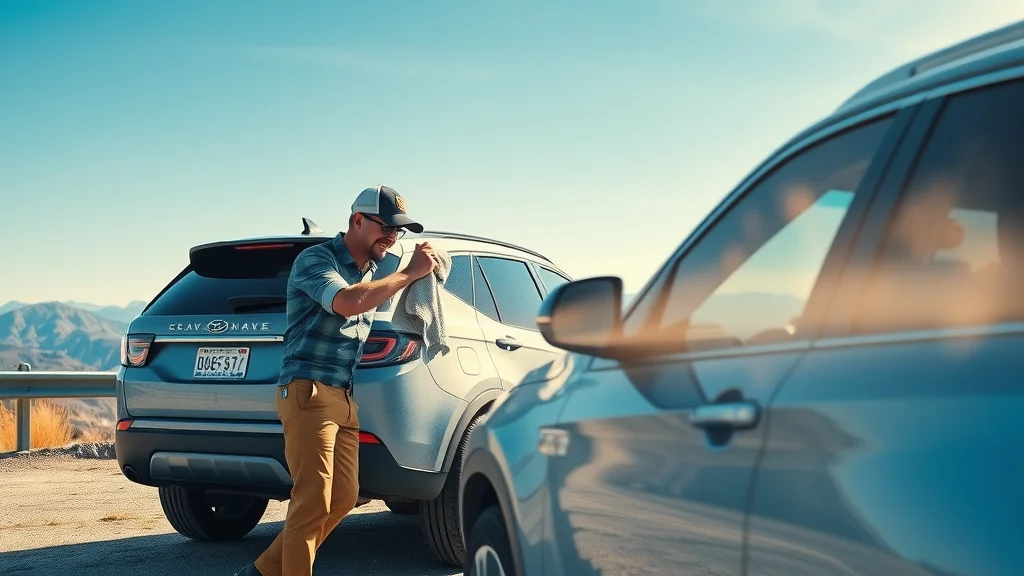
Car Detailing for Travelers: Keep Your Ride Shine On
Ever wondered if your car is truly ready to conquer the open road—or are you secretly inviting hidden grime and wear with every mile? Preparing for an epic road trip involves more than snacks and playlists. Car detailing for travelers isn’t just about looks; it’s about safeguarding your vehicle's value, comfort, and reliability when you need it most. In this guide, you’ll discover how to ensure your ride shines through every adventure. Is Your Car Up for the Road Trip Challenge? The Importance of Car Detailing for Travelers Embarking on a long road trip is exhilarating, but neglecting car detailing can swiftly turn excitement into regret. Car detailing for travelers prepares your vehicle for the unique challenges of the open road, from battling bug splatter and dust to fending off UV rays and unpredictable weather. Planning a proper car detail routine ensures every journey is comfortable, clean, and safe. Not only does a full detail defeat grime and road residue, but it also prevents interior wear and protects your investment against long-term damage. Today's detail-savvy travelers know that a deep clean before and after a road trip helps preserve their vehicle’s value and minimizes the impacts of road grime, water spots, and even sun fade. Whether it’s using high-quality spray wax for a glossy finish or applying glass cleaner to boost visibility, every step makes a difference. Keep reading to see how you can keep your car immaculate from the first mile to the last with easy, practical strategies for car detailing on the go. What You'll Learn About Car Detailing for Travelers How car detailing for travelers preserves vehicle value on long road trips Key products for full detail and convenience on the go Professional versus DIY road trip car detail choices Budgeting for car detailing before and after travel Why Car Detailing for Travelers Is Essential for Every Road Trip Packed cabins, long hours behind the wheel, and fluctuating weather can take a toll on any vehicle. Regular car detailing keeps your car’s interior fresh, your exterior sparkling, and helps you withstand any twists the road trip throws your way. Not only does a full detail make your drive more enjoyable, but it also acts as a barrier—blocking out the dust, road residues, and harmful UV rays encountered over hundreds of miles. For travelers, a meticulous car detail transforms your daily ride into a rolling home. It goes beyond just a standard car wash—attention to detail from the dashboard to the door jamb, tire dressing, and even the engine bay, means your journey is more comfortable and your vehicle is protected. Interior cleaner, quick detailer, and spray wax are not just products; they’re investments in peace of mind on the highway. The Impact of a Full Detail on Your Travel Experience Imagine cruising along winding scenic routes with crystal-clear windows, a gleaming dashboard, and no lingering debris underfoot. That’s the reality when you prioritize car detailing for travelers before setting off. A full detail cleans every inch—removing stains, road grime, and the alerting bug splatter that accumulates quickly on long trips—while also protecting your paint and interiors from wear and tear. With a spotless vehicle, not only does your adventure start with an inviting environment, but you also reduce the risk of stubborn stains and odors taking root after the trip. Keeping your vehicle in peak condition on the road enhances driving safety, value retention, and overall comfort. You won’t just see the difference; you’ll feel it with every mile. And as detailing experts say: "A well-maintained car offers more than just comfort—it protects your investment throughout every mile." – Detailing Expert How to Prepare Your Vehicle: Car Detailing Essentials for Road Trip Success Preparing for the journey begins with gathering the right detailing products before departure. This proactive step ensures your car is ready to withstand dust, road grime, and spills that come with travel. Begin with a thorough vacuum to clear out dirt and debris, apply interior cleaner to wipe away stains, and use a reliable glass cleaner to keep your visibility sharp. Don’t overlook an exterior wash using a gentle car shampoo and finish with a layer of spray wax or carnauba wax for a glossy shield against the elements. For practical, on-the-go touch-ups, travel-sized detailing kits are a lifesaver. Essentials such as a microfiber towel, quick detailer, and portable spray wax can conquer unexpected messes at any rest stop. Packing thoughtfully means you won’t be at the mercy of spills, sticky fingerprints, or bird droppings during your journey. The Ultimate Road Trip Car Detail Checklist Vacuum interior areas Use interior cleaner for dashboard and seats Apply glass cleaner on all windows Exterior wash and spray wax application Packing a quick detailer for easy touch-ups Choosing Professional vs. DIY Car Detailing for Travelers Deciding between professional car detailing and a DIY approach depends on your budget, timeline, and personal preference. Full detail services done by experts offer the benefits of experience and industrial-grade detailing products, ensuring your car is perfectly prepped for any journey. If time or access to professional services is an issue, today’s comprehensive on-the-road car detailing kits help travelers clean up efficiently—and affordably—during the trip. A professional full detail can include shampooing, ceramic coatings, and tire dressing—providing all-around defense before and after your journey. In contrast, DIY car detailing gives flexibility and hands-on control to tackle new messes as they appear. Consider the following comparison to help you make the right choice for your next adventure: Factor Professional Full Detail DIY Car Detailing Kits Cost Higher (but thorough) Lower (more effort) Time Less prep/cleanup time More hands-on Travel convenience Pre-trip peace of mind Flexibility mid-trip Pros and Cons: Full Detail Services vs. On-the-Road Car Detail Kits A professional detailing service offers deep cleaning, ceramic coating options, and specialized products often unavailable in retail kits. It saves time, covers areas like the engine bay, and ensures your car is ready for the rigors of a cross-country road trip. The main drawback is the upfront investment, which can be substantial for travelers on a budget. DIY car detailing kits put control in your hands. Quick detailer, glass cleaner, and portable spray wax can manage new messes on the fly. The key trade-offs are the extra time and elbow grease required; however, you’ll gain knowledge and confidence to clean your car anytime, anywhere—even at a trailhead or roadside rest area. Must-Have Car Detailing Products for Travelers The right detailing products make all the difference for travelers. Compact kits stocked with essentials will address everything from sticky dashboards to dusty window panels in minutes. Among the most critical are travel-sized spray wax (for quick gloss and UV protection), glass cleaner (for crystal-clear vision), and a versatile quick detailer (for spot cleaning in tight spaces). These products, paired with a microfiber towel, offer a portable, spill-proof arsenal for any automotive emergency. Consistent use of these products means your car’s paint, wheels, and glass remain shielded from road grime and weather—helping you avoid stubborn stains and water spots. Invest in products formulated for your vehicle's surfaces for best results, and rely on them throughout your trip—not just at the start and finish. Spray Wax, Glass Cleaner, and Quick Detailer: The Road Trip Trifecta Benefits of portable spray wax for shine and protection: An essential in any road trip kit, spray wax delivers fast, even coverage for a vibrant finish and shields your exterior from UV rays, bug splatter, and debris. Choose one that leaves no residue and is easy to apply at roadside stops. Why a quality glass cleaner improves driving safety: Clean glass is a non-negotiable for travelers. A mist of premium glass cleaner clears fingerprints, dust, and water spots, ensuring bright, glare-free vision morning or night. Quick detailer for fast, effective spot detailing: Sometimes, a full wash isn’t possible. A quick detailer spray allows you to erase bird droppings, fingerprints, and light dust in seconds, minimizing the risk of scratches when paired with a soft microfiber cloth. Interior Care: Car Detailing for Travelers on Long Journeys Spending hours or days in your vehicle, cleanliness transforms from a nicety to a necessity. Interior cleaner sprays are formulated to break down road residues, food mishaps, and even stubborn grease on dashboards, center consoles, and seats. Pairing these products with a dependable drying towel or microfiber towel allows for streak-free surfaces and a truly fresh cabin experience. Don’t forget to regularly empty the trash, use an air freshener, and address small spills before they cause staining or odors. Travelers should focus detailing efforts on high-touch zones: steering wheel, gear shift, door panels, vents, and cup holders. Following a quick yet precise interior cleaning routine every couple of days ensures that dust, grime, and bacteria don’t have a chance to accumulate—keeping everyone healthy and your vehicle smelling clean, even after the longest road trip. Using Interior Cleaner and Tools for a Fresh Cabin Choosing the right interior cleaner spray: Look for interior cleaner sprays free of harsh chemicals and suitable for various surfaces—vinyl, leather, and soft plastics. Some formulas even offer anti-microbial benefits, perfect for busy, high-use cabins. Areas that need attention on extended road trips: The longer the journey, the more dirt collects in unexpected places like door jambs, floor mats, and seat seams. Regularly clean these spots and don’t forget to sanitize the steering wheel and seat belt buckles, which accumulate bacteria quickly. Exterior Maintenance: Keeping Your Car Clean During Road Trips The battle against bugs, dust, and mud is constant on multi-day excursions. Exterior detailing for travelers means using gentle, non-abrasive methods that shield paint while removing debris—especially in environments where a traditional car wash or pressure washer isn’t available. Portable spray waxes, waterless car wash products, and microfiber towels provide a safe alternative, letting you react to mud spots or bug splatter quickly and easily. Shielding your paint doesn’t just keep your car looking sharp; it also helps prevent permanent etching from bird droppings or water spots. A few minutes with a quick detailer and a soft wash mitt at rest stops prevent buildup while laying down extra protection against future grime. Frequent spot-treatments can be the difference between a vibrant finish and a vehicle dulled by the hazards of travel. Quick Wash Techniques and Shielding Your Paint Using spray wax for protection during travel: Easy to apply, portable spray wax is ideal for creating a hydrophobic surface that repels water, dust, and road debris. This reduces the risk of dulling and makes cleaning easier as you go. Wiping surfaces with microfiber to reduce scratches: Always use a clean, plush microfiber towel for all cleaning steps. These towels trap grit and prevent swirls or scratches, unlike regular cotton rags or paper towels. Packing for the Road: Compact Car Detailing Kits for Travelers Space is at a premium when traveling, but that doesn’t mean you need to sacrifice cleanliness. Compact car detailing kits are specifically designed for travelers, bundling spray wax, glass cleaner, interior cleaner, microfiber towels, and even tire dressing in travel-friendly containers. Finding the right kit means you’ll be ready for emergency cleanups and regular maintenance without overpacking. It’s also smart to include a compact detail brush for hard-to-reach places, a drying towel for spills, and a travel-sized air freshener. Choose kits with spill-proof bottles and convenient carrying cases to keep your cabin clutter-free and organized throughout your adventure. Top 5 Recommended Travel-Size Car Detailing Kits Meguiar’s Quik Car Detailer Kit: Includes spray wax, quick detailer, and glass cleaner in compact sizes, plus microfiber towel. Chemical Guys Total Interior & Exterior Kit: All-in-one with interior cleaner, streak-free glass cleaner, and tire gel for on-the-go touch-ups. Griot’s Garage 11142 Travel Care Kit: Advanced formulas for spray wax and carnauba wax, glass cleaner, and travel bag. Armor All Premier Road Trip Detailing Pack: Cleaning wipes, glass spray, air freshener, and travel-sized detailing sprays. Autoglym Rapid Care Detailing Set: High-gloss spray, dedicated glass cleaner, interior protectant, and multi-surface microfiber cloths. Protecting Your Investment: The Long-Term Value of Car Detailing for Travelers Road trips are fun, but the unseen effects of neglecting car detailing can be costly. Frequent, high-quality car detailing for travelers helps you protect your investment through every stage—from meticulous pre-trip full detail to routine mid-trip touch-ups and a thorough clean upon return. This combat against grime, UV rays, and interior wear pays dividends in resale value and overall longevity of your vehicle. Regular maintenance with the right detailing products can even delay the need for expensive cosmetic repairs or professional paint correction, keeping your ride looking new and running smooth for road trip after road trip. How a Regular Full Detail Pays Off Post-Trip After a successful journey, a post-trip “reset” is crucial. Investing in a full detail removes embedded dirt, road salts, and oil residues that, if left unchecked, can corrode metal and damage upholstery. It’s also your chance to inspect for any chips, dings, or subtle damage incurred during your travels and remedy them before they develop into bigger issues. Consistent post-trip detailing makes each adventure a fresh start, extending the life—and value—of your favorite travel companion. Many regular travelers consider a professional detail service to ensure every nook, from the engine bay to the trunk carpet, gets attention. This kind of detailing service can even outlast ceramic coating or specialty wax applications, and gives your vehicle a resale edge if it’s time for an upgrade. People Also Ask About Car Detailing for Travelers How much should a full detail cost? Answer: The cost for a full detail varies regionally but for travelers, expect between $150–$300 depending on vehicle size and service depth. Pre-trip full detail services may cost more due to added focus on protection and thorough cleaning before extended use. How much is reasonable to charge for car detailing? Answer: For a standard car detail, $100–$200 is common in most markets. For travelers, you might pay extra for travel-sized quick detailer or spray wax applications and specialty road trip packages. How much should I tip for a $200 car detail? Answer: Tipping 10–15% is customary, so for a $200 car detailing service, $20–$30 is appropriate—especially if detailing was done pre- or post-road trip. Is it worth paying for car detailing? Answer: Yes—car detailing for travelers ensures your investment is protected against road grime, bugs, and interior dirt, preserving your car’s appearance and value throughout your journey. A step-by-step demonstration of applying quick detailer and spray wax to a car exterior at a roadside stop, showcasing proper usage techniques, essential tools, and final results. Includes wide shots and close-ups, natural outdoor lighting, and friendly, easy-to-follow narration. Expert video tips on using interior cleaner sprays, microfiber towels, and handy tools to keep your cabin spotless and comfortable throughout your journey. Key Takeaways from Car Detailing for Travelers Regular car detailing is crucial for travelers and road trip enthusiasts Full detail services provide peace of mind before extended journeys Packing essential car detailing products avoids mid-trip messes Both professional and DIY car detail solutions have unique benefits Frequently Asked Questions: Car Detailing for Travelers What is included in a car detailing package for travelers? How often should I schedule a full detail during regular road trips? Can I use commercial quick detailer sprays inside my car? Ready to Give Your Ride a Road-Ready Shine? Call CG's Auto Detailing today at 714-726-5161 for expert full detail services before and after your next road trip. With the right car detailing for travelers, your vehicle will look and feel road-trip ready—no matter where your journey takes you.

Road Trip Packing Essentials You’re Forgetting Now
Picture this: The dawn is just breaking as you gather your family and load up the car, a mix of excitement and wanderlust electrifying the air. The trunk slams shut on a carefully curated collection—or so you think. But miles down the long road, a forgotten charger or a missing first aid kit threatens to unravel your plans. We’ve all been there, and it’s in those moments that we wish we’d paid extra attention to the road trip packing essentials that truly make or break an adventure. In this guide, we’ll forge an emotional connection with your own favorite road trip stories—and make sure your next packing list leaves nothing behind but worry. Why Road Trip Packing Essentials Make or Break the Journey A single missing item can transform a dream getaway into a string of avoidable headaches. Whether you’re venturing across state lines or embarking on your first national park tour, the right road trip packing essentials are your safety net—and often, your source of the best memories. Forgetting something as simple as a spare tire or a reusable water bottle doesn’t just mean inconvenience; it means putting your trip, your comfort, and even your safety on the line. Many road trip essentials provide more than practical value: they offer peace of mind, ensure the journey remains fun, and give flexibility when plans change at the last minute. Expert travelers understand that a well-prepared packing list anticipates both the expected rest stops and the unpredictable bumps along the route. Little things, like having an offline copy of Google Maps or a bag filled with healthy snacks, can save you countless hours and dollars—especially during a long road trip. Let’s explore why every trip packing list you create deserves a top-to-bottom review, so you can truly enjoy the open road ahead. Start your journey right by double-checking your road trip packing essentials before you hit the road. "A well-packed car is the start of a memorable adventure." What You’ll Learn from These Road Trip Packing Essentials Discover overlooked road trip essentials that protect, entertain, and keep you safe Expert insights into assembling the perfect road trip packing list How to adapt your packing for long road trips and national park adventures Table: Quick-Glance Guide to Road Trip Packing Essentials Essential Purpose Pro Packing Tip Spare tire Emergency repairs Check air pressure before leaving First aid kit Health/safety Refill after each trip Reusable water bottle Hydration Choose insulated models for longer cooling Jumper cables Car battery boost Store with gloves for emergencies Google Maps download Navigation Download offline maps in advance The Ultimate Road Trip Packing Essentials List 1. Spare Tire – Crucial Road Trip Packing Essential Check tread and pressure Pair with a jack and lug wrench Having a spare tire isn’t just a good idea—it’s practically non-negotiable for any trip essential checklist. Roadside emergencies don’t make appointments, and a flat can happen anywhere, from city limits to the most remote national park turnoff. Before you hit the road, make sure your spare tire is properly inflated and the tread is sufficient. Pair it with a reliable jack and lug wrench, and you’re all set for unexpected detours—even those far from the nearest gas station or mechanic. A well-maintained spare can be the difference between a minor hitch and a ruined vacation. Seasoned road trippers know that checking your entire emergency car kit—especially your tire tools—should be at the top of your road trip packing list. Whether it’s your own car or a rental car, don’t rely on last-minute luck. Create a habit of including your spare tire on every packing checklist, ensuring safer travel no matter where your long drive takes you. 2. Comprehensive First Aid Kit: A Non-Negotiable Road Trip Essential Include bandages, antiseptic, pain relievers, and allergy medication An aid kit is one of those road trip essentials you hope never to use but can’t afford to forget. A comprehensive kit should include bandages, antiseptic wipes, pain relievers, allergy medication, and any personal prescriptions your family or companions might need. Scrapes from a quick hike, headaches, or allergy flare-ups can all happen miles from the next rest stop or pharmacy, especially on long road trips through less-populated regions. Make it a habit to check and restock your first aid kit before each journey—bandages, ointments, and medications do expire. Keeping an organized, visible kit within reach is key, particularly if you’re traveling with kids, elderly passengers, or anyone with health sensitivities. Every trip packing list should make space for a robust first aid kit: it’s not just about being prepared, it’s about caring for every family member’s well-being on your favorite road trips. Don’t overlook your first aid kit—an aid kit is a true road trip essential for health and safety. 3. Reusable Water Bottles – Staying Hydrated on Road Trips Insulated for temperature control Refill regularly at rest stops One of the simplest yet most overlooked road trip packing essentials is the humble water bottle. Dehydration can creep up quickly, especially during hot afternoons or after long drives. Bring an insulated model that keeps water cool for hours—even if you’re shifting from city highways to dusty park trails. Make a point to refill your water bottle every time you stop for fuel, food, or a bathroom break. Insulation helps, but staying consistent is key on any long road trip. Reusable options save money and reduce single-use plastics, which is both sustainable and practical—especially in national park areas where resources can be limited. For families, encourage every family member to carry their own bottle as a part of your broader trip packing list. This way, everyone stays healthy and hydrated, keeping spirits high no matter how many miles you have left to go. 4. Jumper Cables: A Must-Have For Every Road Trip Packing List Include with basic emergency car kit You probably won’t think of jumper cables until your battery’s dead at a deserted rest stop. Whether you drive an older model or a barely-broken-in rental car, jumper cables belong in the emergency kit of every road trip essential. They allow you, or a good Samaritan, to jump-start a dead battery and get you back on your route in minutes rather than hours. We highly recommend storing jumper cables with gloves, as corroded terminals can mean dirty work. Even if you’ve never needed them before, they’re one of those trip essentials that can turn around a stressful situation, especially if you’re exploring scenic byways or stopping overnight in less-traveled towns. Place them at the top of your road trip packing list to keep every journey on track. 5. Preloaded Google Maps – Navigation for Long Road Trips Download offline maps Highlight fuel/rest stop locations WiFi and cell service don’t always follow you down the long road. That’s why preloading Google Maps—with routes, offline maps, and marked rest stop or fuel locations—is one of the most practical road trip packing essentials. Before departing, download your journey’s offline maps so you’re never left without guidance, even during signal dead zones typical in remote national parks or rural highways. Use Google Maps to mark important stops, such as rest stops, gas stations, or hotel reservations. With your digital navigation set up in advance, you can avoid stress and stay on schedule—whether you’re heading to a hotel room after a long drive, or simply trying to find a scenic detour en route to your favorite road trip destination. Preload Google Maps for seamless navigation, even in areas with weak signal on your next road trip. 6. Healthy Road Trip Snacks – Fuel for the Journey Non-perishable items like nuts, bars, and dried fruit Before you find yourself at a far-flung gas station with just chips and candy bars, pack a stash of healthy, non-perishable snacks. Think nuts, energy bars, and dried fruit—classic road trip packing essentials that stave off hunger and keep energy levels stable during even the longest stretches between rest stops. Stock up on enough for every family member and varying tastes, making sure to ditch anything too messy for the car interior. These snacks not only save money and promote better nutrition, but also help you avoid unnecessary detours to crowded convenience stores. Include an insulated lunch tote or compact cooler on your trip packing list to keep items fresh if you’ll be on the road for several days. Healthy snacks keep everyone happy—and that’s essential on all your favorite road trips. 7. Essential Toiletries: Trip Packing List Musts Travel-size soap, sanitizer, wipes, sunscreen No matter how short the trip, toiletries are a crucial category on any road trip packing essentials checklist. Travel-size soap, sanitizer, sunscreen, toothbrush, and wet wipes offer comfort and hygiene far from your hotel room or the next clean bathroom. Hand sanitizer and wipes are especially vital in uncertain public restroom conditions, or for quick cleanups on a picnic bench while you view a national park vista. Organize your toiletries in a zippered pouch or small caddy to avoid spills in the car or searching through bags at each rest stop. Add sunblock as a non-negotiable, especially for sunny, open window drives. These simple but significant items support a comfortable, stress-free journey for every traveler on the road. Pack essential toiletries conveniently in your travel bag for cleanliness and comfort on any road trip. 8. Travel Pillow & Blanket: Comfort on Long Road Routes While some trip essentials are all about emergencies and maintenance, others are pure comfort. A supportive travel pillow and plush blanket help passengers catch proper rest, whether waiting out a traffic jam or overnighting at a roadside inn. On a long road trip, the difference these small comforts make—especially for kids or elderly family members—can vastly improve the overall experience. Stash a machine-washable pillow and blanket for each passenger. Not only do they make long drive naps possible, but they also fend off unexpected chills as AC or weather shifts throughout the journey. For your next trip packing list, don’t overlook these quiet heroes—they’re as important for morale as your favorite road trip playlist. Hitting the long road? Comfort items like a pillow and blanket help everyone arrive refreshed and happy. 9. Entertainment Devices: Keeping Spirits Up on the Road Curated playlists, audiobooks, mobile chargers No road trip essentials list is complete without entertainment! Plan ahead with downloaded audiobooks, curated playlists spanning every genre, and enough charging cables to keep everyone’s devices powered up. Choose entertainment options that suit the moods and ages of all travelers—getting the right mix is especially valuable for keeping the peace during long road trips. We highly recommend bringing a small tote or organizer to store headphones, chargers, and even old-school puzzle books. Portable WiFi or download-ahead content means fun doesn’t depend on cell coverage. Don’t underestimate the value of a few well-chosen diversions—for many, the memories created from car karaoke or a gripping audiobook become the highlight of the whole journey. 10. Multi-Purpose Tool: Handy Road Trip Essential for Unexpected Situations Pocket knife, bottle opener, small scissors functions Unpredictability is a given on the open road. Having a compact multi-tool—pocket knife, bottle opener, and scissors all in one—can solve dozens of problems, from opening snack bags to minor car repairs. This versatile item is a must on any road trip packing list: it’s small, practical, and often makes you the hero when everything else goes sideways. Place it within easy reach (but not where it’ll rattle around during the drive), and make sure it’s allowed if you’ll be in a rental car or crossing international borders. A multi-purpose tool truly deserves its reputation as a trip essential—you’ll be grateful for it more times than you think. Multi-purpose tools are invaluable for handling the unexpected on any road trip. Road Trip Packing Essentials for Every Scenario 11. National Park Gear – Packing Essentials for Scenic Stops Park maps, binoculars, walking sticks If you plan on exploring a national park or taking in scenic overlooks, don’t forget the specialized road trip essentials: sturdy park maps (in case cell service drops), binoculars for wildlife, and walking sticks for impromptu hikes. These trip essentials open up a world of adventure far beyond the main highways and help you make the most of every scenic stop. Remember to stash gear in a dedicated bag for quick transitions from car to trail. Add extra sunscreen, insect repellent, and even a lightweight poncho to your trip packing list when these types of explorations are on your itinerary. The right national park gear can turn a rest break into an unforgettable memory. National park adventures are easier with the right gear—don’t forget your specialized road trip packing essentials. 12. Wet Weather Gear: Umbrella & Raincoats as Trip Essentials The weather may be unpredictable, but your comfort doesn’t have to be. Packing a compact umbrella and a lightweight raincoat provides peace of mind and physical comfort regardless of shifting weather forecasts. These items make it easy to enjoy spontaneous park stops and city walks without dashing back to the car at the first sign of rain. Slip them into a side door pocket or under a seat for easy access. Wet weather gear is especially useful in mountainous or coastal regions, where weather shifts can occur within minutes. By making these simple additions to your trip essentials, you guarantee that not even a mid-journey storm can dampen your adventure. 13. Portable Phone Charger: A Modern Road Trip Essential In the modern era, keeping devices charged is as critical as carrying water or snacks. A high-capacity portable phone charger ranks high on any road trip packing list. It ensures navigation, entertainment, and emergency calling remain available, even when you’re far from the nearest outlet. This road trip essential is especially important if you rely on your phone for directions, streaming, or as a camera for trip memories. Choose a model with fast charging capability and at least two ports for periods when multiple devices need juice. Tuck it in a center console or glovebox for fast retrieval. One small investment in a power bank can save you stress and keep the good vibes rolling throughout your favorite road trips. Stay connected at all times by packing a reliable portable charger for your next road trip. 14. Emergency Contact List: A Vital Trip Packing Essential Technology is fantastic—until it’s not. Always include a written emergency contact list in your road trip packing essentials. List emergency numbers, insurance details, and roadside assistance contacts. This backup ensures you’re never truly alone if your phone dies, gets lost, or can’t access data in remote areas. Keep a waterproof card in your glove compartment or your wallet so it’s always within reach. Consider listing a trusted family member not traveling with you as well. When it comes to trip essentials, a little extra preparation can be a safety net that gives you priceless peace of mind. 15. Travel Insurance Documents: The Forgotten Road Trip Essential Travel insurance isn’t just for international flights or tours—it protects you on every long road trip too. Keep physical or digital copies of your policy, claim forms, and any critical contact numbers together. In the case of unexpected car trouble, health issues, or costly changes to your itinerary, these documents convert chaos into an actionable plan. Make it a habit to review and update these documents before each major adventure, especially if your route covers multiple states, national parks, or border crossings. With your insurance details close at hand, you’re never more than a phone call or form away from assistance—making your packing list truly comprehensive. Expert Packing Tips for Personalizing Your Road Trip Packing List Adapt your packing list for long road trips vs. short getaways Consider the needs of all passengers Not all road trips are the same, so tailor every road trip packing list to the journey ahead. For long road trips, double up on snacks, chargers, and spare clothing—plan for an extra night on the road just in case. For short getaways, keep things minimal and focus on comfort. Always take into account the needs and preferences of every family member, from dietary restrictions to preferred entertainment or prescription medications. Revisit and update your trip packing list before every adventure, using lessons learned from past excursions. Ask all travelers for personal essentials and try a practice pack—load everything in the car a day early to check fit and accessibility. This expert attention ensures a well-packed car and a trip full of happy memories, not packing regrets. People Also Ask: Road Trip Packing Essentials What is the 5 4 3 rule for packing? Answer: The 5 4 3 packing rule helps streamline your road trip packing list — 5 tops, 4 bottoms, and 3 pairs of shoes keep your luggage light but versatile. Focus on items that mix and match well, suitable for any road trip weather scenario. What should you always pack for a road trip? Answer: Always include key road trip packing essentials: spare tire, first aid kit, water bottles, snacks, travel documents, emergency tools, and digital navigation aids. These trip essentials provide safety and peace of mind on every road trip. What is the 1 to 6 packing rule? Answer: The 1 to 6 rule for road trip packing essentials: 1 hat, 2 pairs of shoes, 3 bottoms, 4 tops, 5 pairs of socks, 6 pairs of underwear. This ensures you pack enough without overloading your vehicle. Is $1000 enough for a road trip? Answer: $1000 can be enough for a road trip if you budget your road trip essentials wisely, considering fuel, accommodation, meals, and unexpected expenses. Careful packing avoids costly stops and emergencies. FAQs About Road Trip Packing Essentials How do I prepare a road trip packing list? Begin by considering your route, trip length, weather, and unique passenger needs. List all road trip essentials, then add comfort and entertainment items. Cross-check with this guide and tailor for your personal travel style; don’t forget to update from lessons learned each adventure. What trip essentials should I never forget? Don’t leave home without a spare tire, aid kit, water bottle, digital navigation (like Google Maps), jumper cables, snacks, and portable charger. These form the backbone of any successful road trip packing list. Are digital or paper maps better for road trips? Both have a place on the long road: digital maps like Google Maps provide real-time updates, but paper maps are fail-proof in dead zones. For best results, pack both. What’s the best way to keep food fresh during long road trips? Use an insulated cooler or small fridge for perishable foods. Pack non-perishable snacks, and refill ice at gas stations or rest stops. Keep items in airtight containers to prevent spills. How do I adjust my road trip packing essentials for different seasons? In summer, add sunblock, hats, bug spray, and extra water. For winter, don’t forget tire chains, thicker blankets, and warm clothing layers. Plan for dramatic weather shifts in mountainous or desert regions. Imagine a fast-paced visual montage of a traveler tidily packing a car trunk with bins labeled for snacks, safety, and electronics. Inside views spotlight effortless storage of chargers, first aid kit, and a strategic snack box placement, set to upbeat music beneath bright, clear morning skies—all inspiring efficient road trip packing before you even hit the long road. Key Takeaways: Never Overlook These Road Trip Packing Essentials Comprehensive preparation leads to safer, more enjoyable road trips Customization for trip length, route type, and passenger needs is vital Don’t neglect the importance of emergency gear, hydration, and maps Conclusion: The Impact of Proper Road Trip Packing Essentials The right road trip packing essentials can transform any drive into a safe, comfortable, and adventure-filled journey. Pack smart, personalize your list, and you’ll always be ready for the road ahead. Ready to Hit the Road? Call CG's Auto Detailing today at 714-726-5161

Write A Comment