 Add Row
  Add
Add 


Did you know? According to AAA, nearly one in three drivers experience roadside trouble during road trips due to preventable issues. For car owners, a little preparation goes a long way in avoiding these disruptions, saving time, and keeping cash in your pocket. Whether you’re planning a scenic road trip or simply tackling daily commutes, mastering the right travel tips transforms your journeys into smooth and enjoyable adventures. In this comprehensive guide, you'll find actionable advice on everything from smart car maintenance and packing the ultimate emergency kit to leveraging technology and maximizing fuel efficiency. Ready to hit the road with confidence? Let’s get into the essential tips every car owner needs to know for a worry-free drive.

Unconventional Facts: Why Smart Car Owners Rely on Effective Travel Tips
"According to AAA, nearly one in three drivers experience roadside trouble during road trips due to preventable issues."
Many drivers believe car maintenance is just a periodic task, but smart car owners know the truth: prevention is the ultimate money-saver on the road. Minor problems such as worn belts, underinflated tires, or low brake fluid can escalate into costly repairs and unexpected delays. If you’ve ever had your plans derailed by a breakdown, you know how quickly unnecessary repairs and lost roadside time add up. Incorporating travel tips for car owners not only boosts your safety but also extends your car’s lifespan — saving hundreds, even thousands, over time.
Furthermore, as road trips become more common and vehicles age, the frequency of preventable incidents increases. Effective travel tips aren’t about overcomplicating your checklist — they’re about making informed, time-proven choices. Technology, proactive planning, and a focus on car maintenance can help you avoid joining the one-third of drivers regretting they didn’t check their spare tire or assemble an emergency kit. Embrace these tips and transform the way you travel, ensuring each adventure is memorable for the right reasons.
What You’ll Learn in These Travel Tips for Car Owners
- How to prepare your car for efficient, cost-effective travel
- Essential car maintenance tips for road trips
- Money-saving hacks for travel planning
- Setting up the optimal emergency kit
- Best practices for tire pressure, belts and hoses, and cooling systems
Essential Car Maintenance Travel Tips for Car Owners
Pre-Road Trip Car Maintenance Checklist
- Inspect belts and hoses
- Test air conditioning and cooling system
- Check tire pressure and tread
- Review fluid levels and battery health
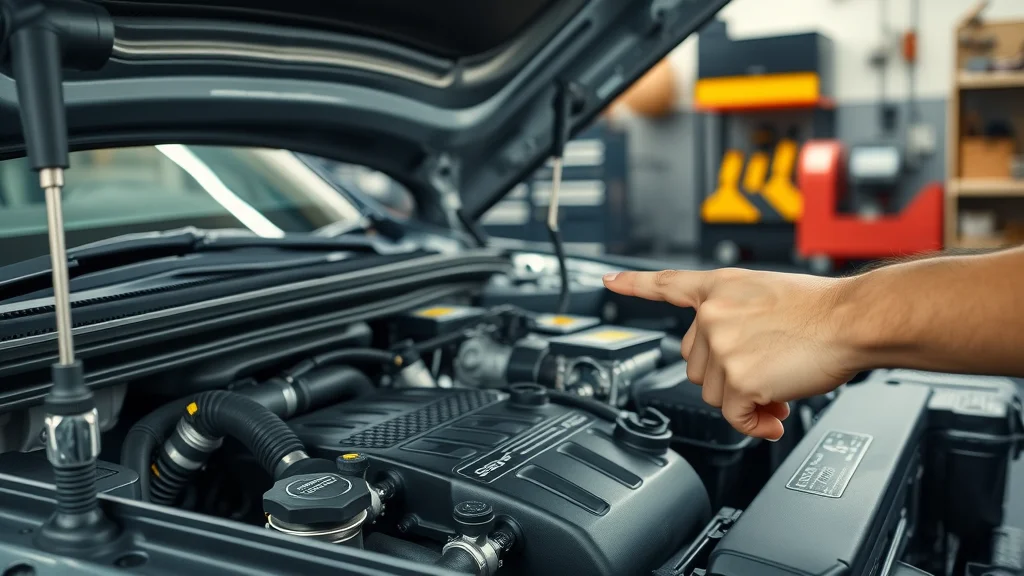
Before you hit the road, ensuring your vehicle is in good condition is the most important task you can do to prevent disruptions during your journey. Start with a thorough inspection of belts and hoses — these small components are vital for the cooling system and air conditioning, supporting your car running smoothly. Look for cracks, fraying, or softness, as these can signal age or imminent failure. Next, confirm that your air conditioning and cooling system are operating efficiently, especially for summer road trips. Flush and refill the system if needed and address any leaks to avoid overheating problems down the road.
Tire checks are just as crucial. Tire pressure should match manufacturer recommendations — remember to check when tires are cold, and inspect the tread depth to ensure proper grip and safety, especially if tire rotation is overdue. Don’t forget to check your spare tire and make sure your jack and tools are present. Lastly, survey all fluid levels: oil, brake fluid, transmission fluid, power steering fluid, and windshield washer fluid. If you’re close to needing an oil change or brake service, handle it now. A fully charged battery and functioning turn signals and brake pedal top off your essential pre-trip car maintenance, ensuring you’re ready to roll.
Why Routine Car Maintenance Saves Money on Road Trips
Regular car maintenance is the hidden key to a stress-free, budget-friendly adventure. When you keep tabs on belts and hoses, monitor tire pressure, and schedule necessary fluid changes, you drastically reduce the risk of expensive breakdowns and repairs down the road. For example, a worn belt that snaps during a road trip can disable your engine or coolant system, leading to tow fees, hotel bills, and major repairs. Meanwhile, simply maintaining the correct tire pressure improves gas mileage, while regular checks of cooling system fluids prevent overheating and preserve engine health.
Timely car maintenance also helps spot small issues before they escalate. Something as basic as keeping your air conditioning clean reduces pressure on your engine and keeps your car running efficiently. Preemptive oil changes and topping up brake fluid support safe driving and can add thousands of miles to your vehicle’s lifespan. Smart owners know the best time to check your vehicle is before a road trip, not after an inconvenient breakdown. Adopt these car maintenance habits for every travel season and your wallet, as well as your passengers, will thank you.

Top 10 Travel Tips for Car Owners to Maximize Savings
- Plan routes to avoid peak hours
- Pack a fuel-efficient emergency kit
- Monitor tire pressure for optimal mileage
- Use apps for gas price comparisons
- Keep your air conditioning running efficiently
- Avoid excessive idling
- Keep your car load light
- Don’t neglect belts and hoses
- Book accommodations in advance for deals
- Maintain regular car cleaning for better visibility and performance
Saving money on road trips isn’t just about finding cheap gas stations — the details matter. Planning your route to bypass traffic jams and peak hours not only saves time but conserves fuel that would be wasted idling in congestion. When packing, prioritize a light and efficient emergency kit by including multi-purpose items and compact supplies. Regularly check your tire pressure for improved gas mileage; low or uneven tire inflation can drain your wallet at the pump without you even noticing.
Taking advantage of technology is also a game changer. Download apps that track gas prices and plan pit stops where fuel is cheaper. Use navigation tools to avoid detours, and maintain your car’s air conditioning for comfort without excessive fuel drain. Resist the urge to idle your engine during long stops and avoid overloading your vehicle with unnecessary gear. Don’t forget to check belts, hoses, and fluid levels, especially before departing — it’s one of the simplest ways to avoid costly repairs down the road. Booking accommodations early often unlocks discounts and ensures your trip goes smoothly, while keeping your car’s interior and exterior clean enhances visibility, comfort, and overall performance.
Watch: A step-by-step visual guide to checking car maintenance before a road trip.Expert Road Trip Preparation Tips for Car Owners
Assembling an Effective Emergency Kit for Road Trips
- First aid supplies
- Essential fluids (oil, coolant)
- Jumper cables
- Portable phone charger
- Non-perishable snacks and water
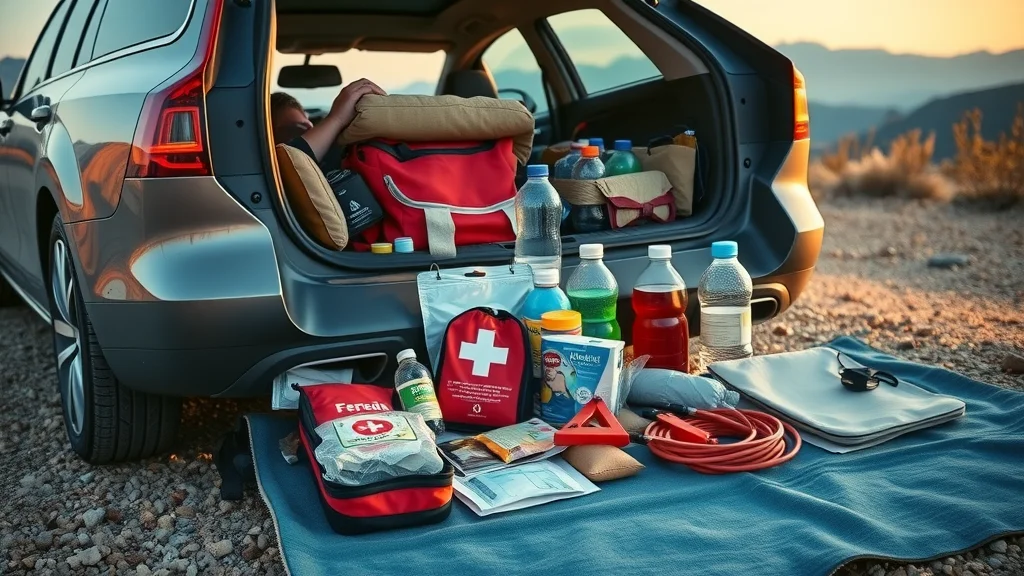
One element often overlooked by drivers gearing up for a road trip is the emergency kit. Think beyond the standard aid kit; savvy car owners tailor their kits for long journeys and unpredictable weather. Make sure to include first aid supplies for both people and pets, and keep extra bottles of engine oil and coolant handy to top up if your car running warning lights appear. In addition, jumper cables are critical for dead batteries, and a portable phone charger keeps your lifeline available in emergencies, especially in areas with limited services.
Hydration is important — stock up on non-perishable snacks and plenty of water, especially for cross-country or summer road trips. Items like a tire inflator, flashlight with batteries, and a multi-tool can quickly get you back on the road or provide safety while waiting for assistance. Don’t forget to check your vehicle for an up-to-date insurance card, registration, and emergency contacts, all stored together in a waterproof pouch. Creating an efficient, well-organized emergency kit is a small price for peace of mind and a successful trip.
Checking Tire Pressure and the Importance During Long Road Trips
Tires are your car’s first line of defense on the open road. Maintaining properly inflated tires isn’t just a recommendation—it's an essential safety and budget tip for all car owners. Low or uneven pressure increases rolling resistance, causing your engine to work harder and use more fuel. Before your journey, check your tire pressure (including the spare tire) with a digital gauge. Ensure the tires are cold for an accurate reading and adjust to the PSI listed in your owner’s manual or on the driver’s door jamb.
Underinflated or worn tires compromise control, decrease gas mileage, and make blowouts more likely, especially during long, high-speed road trips. For trips covering hundreds of miles, recheck the pressure every morning, particularly with fluctuating temperatures or loads. Examine tread wear using the penny test — if you see Lincoln’s head, it’s time for replacements. Regularly rotating your tires as part of your car maintenance routine also extends their life and saves money by preventing uneven wear.
Belts and Hoses: Simple Checks to Prevent Major On-Road Expenses
Belts and hoses may seem minor, but their failure can strand you far from home. Begin by inspecting hoses for bulges, splits, or excessive softness. Press gently along each hose to detect weak spots and ensure connections are secure at the radiator, water pump, and cooling system inlets. Examine belts for fraying, cracks, or missing ribs and tension them according to your vehicle’s specifications. If you hear squealing from your engine bay, don’t ignore it — it’s a classic signal of a worn or misaligned belt.
Pay particular attention before summer road trips, since heat accelerates wear on rubber. Avoiding repairs down the road is as simple as replacing a $20 belt before it fails. Staying vigilant about belt and hose condition will help keep your car running smoothly and prevent more expensive breakdowns and tows during your travels. The cooling system relies heavily on these components to avoid engine overheating, so never forget to check them as part of your car maintenance checklist.
Technology Tools to Help Car Owners Save Time and Money on Road Trips
- Best mobile apps for route optimization
- Navigation tools for fuel savings
- Car monitoring devices for ongoing car maintenance

Today’s smart car owners have an advantage previous generations could only dream of: access to a world of digital tools at their fingertips. For road trips, route optimization apps find the fastest, least congested paths, saving both time and fuel. Gas price comparison apps allow you to plan refueling stops for the best deals, lifting the stress of high highway prices. Not only do these apps trim travel budgets, but they help avoid the frustration of getting stuck at poorly-timed stoplights or highway construction zones.
Beyond navigation, vehicle monitoring devices now link directly to your phone, delivering real-time reports on tire pressure, engine health, battery status, and even reminders for specific car maintenance — such as oil changes, brake fluid checks, and tire rotation. These tools mean fewer surprises and more efficient trips, with maintenance alerts delivered right to your device. Smart integration reduces the risk of neglecting a critical task (like topping up transmission fluid or power steering fluid), making these investments indispensable to budget-minded and safety-focused travelers.
| App Name | Main Feature | Strengths | Best For |
|---|---|---|---|
| GasBuddy | Find best fuel prices | Nationwide gas price updates, station ratings | Fuel savings |
| Google Maps | Route optimization | Live traffic, alternate routes, nearby points | Avoiding delays |
| Waze | User-reported traffic/navigation | Real-time hazards, fast detours, road trip planning | Community-based alerts |
| Car Scanner | Diagnostic monitoring | Engine codes, fluid levels, maintenance reminders | Ongoing car maintenance |
| AAA Mobile | Emergency help/location | Trip planning, discounts, roadside assistance | Emergency support |
People Also Ask: Essential Questions About Travel Tips for Car Owners
What is the 20 4 10 rule for cars?
The 20 4 10 rule is a simple guideline for smart car ownership costs. It suggests you put down at least 20% on your vehicle, finance over no more than 4 years, and ensure all car expenses (including the loan, insurance, gas, and maintenance) don’t exceed 10% of your gross monthly income. Following this rule keeps your car purchase reasonable and helps prevent financial strain from auto-related expenses.
What is the 30-60-90 rule for cars?
The 30-60-90 rule refers to a routine maintenance schedule: major service intervals at every 30,000, 60,000, and 90,000 miles. Services at these points often include changes for fluid (such as oil, brake fluid, transmission fluid), inspection of belts and hoses, and replacement of major filters. Sticking to the 30-60-90 schedule ensures parts are checked or replaced before they fail, keeping your car running smoothly and minimizing surprise repairs down the road.
How long can a car sit without being driven?
Generally, a car can sit without being driven for about two weeks before minor issues arise (such as a battery losing charge or tire pressure dropping). Beyond a month, deeper problems may develop: fuel degrading, oil separating, tires flat-spotting, and belts and hoses aging faster. If your car will be parked long-term, consider disconnecting the battery, inflating tires to recommended PSI, and storing it in a cool, dry place to avoid repair costs.
Why put a glass of salt in your car?
Placing a glass of salt inside your car helps absorb moisture, which can prevent interior condensation and reduce the chance of musty odors, especially during humid seasons. This simple trick helps keep your windshield and windows clear, preventing fog that impairs visibility. It’s a handy addition for car owners who park outdoors or want to minimize surprises — and it’s completely safe for both your cabin and your passengers.

Frequently Asked Questions About Travel Tips for Car Owners
-
How can regular car maintenance reduce travel costs?
Regular car maintenance prevents small problems from turning into costly repairs or breakdowns. By staying on top of oil changes, checking tires and fluids, and fixing minor issues promptly, you’ll experience fewer emergencies, better gas mileage, and longer vehicle life — all leading to significant travel savings. -
What is the single most important travel tip for car owners?
The single most important travel tip is preparation. Always inspect your car thoroughly before a trip, from belts and hoses to emergency supplies, to avoid delays and expensive mid-journey repairs. -
How often should tires be checked during a road trip?
Tires should be checked before departure and ideally every morning when traveling long distances, especially with heavy loads or fluctuating weather. Keeping tire pressure at recommended levels ensures safety, performance, and fuel savings. -
What is included in the ideal emergency kit for car owners?
A well-rounded emergency kit includes first aid, water, snacks, jumper cables, essential fluids (oil, coolant), a flashlight, tire inflator, multi-tool, and phone charger. This kit prepares you for most roadside emergencies and keeps your trip on track.
Top Key Takeaways About Travel Tips for Car Owners
- Regular car maintenance prevents costly breakdowns
- Strategic planning can save both time and money on the road
- Investing in simple technology tools streamlines travel
Making Every Road Trip Count: Smart Travel Tips for Car Owners
Every road trip is an opportunity for adventure, but thoughtful preparation separates the good time from the trip that’s interrupted by costly repairs or missed turns. Whether you’re checking your emergency kit, studying your car maintenance schedule or embracing new technology for safer, smoother journeys, these travel tips for car owners ensure peace of mind and savings every mile you travel.
Remember, a little extra effort before departure shields you from much bigger headaches down the line — and helps you focus on what matters most: enjoying the ride and the memories you’ll create along the way.
Ready for Your Next Trip? Save Time & Money—Call CG's Auto Detailing Today at 714-726-5161
Ready to get your car ready for summer or your next big journey? Trust the professionals for a thorough detailing and pre-trip checkup. Call CG's Auto Detailing today at 714-726-5161 and drive with confidence!



Write A Comment