 Add Row
  Add
Add 


Did you know that over 35% of roadside breakdowns stem from skipped or ignored maintenance? These unexpected failures not only put your schedule and safety at risk but can also drain your wallet. Being proactive with simple car maintenance tips can help prevent breakdowns, save money, and radically change how your car runs—keeping you confidently on the road.
Revealing the Surprising Truth: Why Car Maintenance Tips Matter Today
Car maintenance tips are more than just friendly advice; they're critical to how long and how well your car can run. Neglecting routine care can lead to avoidable and expensive damage, especially for vital components like your engine, brakes, and tires. Many drivers don’t realize how much ignoring regular oil change schedules, tire pressure checks, and brake pad inspections can affect everything from fuel efficiency to overall safety. Car maintenance tips not only keep your car running smoothly, but they also help you avoid emergency repairs and the headaches caused by sudden breakdowns on busy streets.
Practical steps—like monitoring warning lights and scheduling periodic check-ups at a certified service center—are essential for all drivers, regardless of their vehicle's age or make. By consistently applying effective car maintenance tips, you ensure that every drive is safer, more enjoyable, and more cost-effective in the long run. Whether you’re a new car owner or a seasoned driver, these tips can boost your confidence and help you extend the life of your vehicle. Investing a little time now will pay big dividends by reducing breakdown risks and major repair bills.
A Startling Statistic: Vehicle Breakdowns Linked to Ignored Maintenance
According to recent automotive industry data, nearly 40% of all vehicle breakdowns are directly linked to neglected car maintenance tips. The most common reasons include skipping scheduled oil changes, failing to check tire pressure, and ignoring engine air filter replacements. This neglect can lead to tire blowouts, overheating, poor fuel economy, and even dangerous brake failure—all scenarios that could be prevented with basic auto maintenance routines. Your vehicle’s make and model may affect specific requirements, but the overall principle remains: regular attention to these key tasks helps reduce your chances of being stranded and facing expensive repairs.
Establishing a reliable maintenance schedule keeps your car running efficiently, lengthens its lifespan, and often improves your vehicle’s resale value—something noted by Kelley Blue Book experts. As insurance companies and roadside assistance providers report, the spike in emergency calls could be drastically reduced if drivers followed basic car maintenance tips geared to their car’s needs. Don’t wait until a warning light flashes or your engine stalls to realize the value of routine care. Instead, integrate these vital steps into your regular driving habits to stay ahead of trouble.
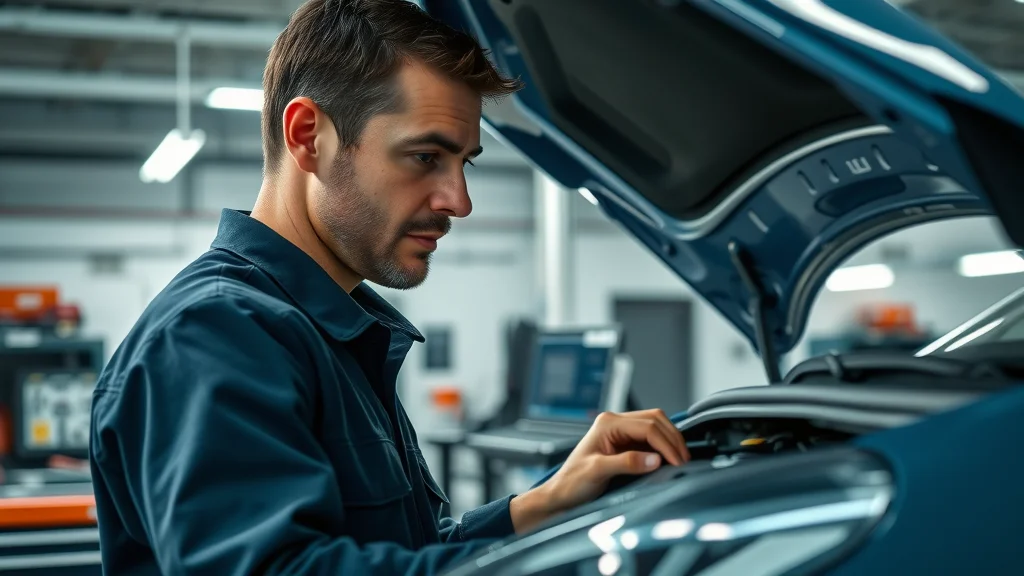
How Proper Car Maintenance Tips Can Extend Car Life and Save Money
Applying consistent car maintenance tips isn’t just about avoiding breakdowns—it’s also about maximizing the value and reliability of your investment. A well-maintained vehicle tends to have fewer issues in the long run, leading to lower repair costs and improved performance. For example, keeping up with regular oil changes and replacing engine air filters when needed helps maintain engine running efficiency and prevents premature wear. Proper tire care, such as checking tire pressure and rotating tires, extends the life of your tires and supports safer driving dynamics. Each small maintenance task contributes to your vehicle’s overall health.
Moreover, the financial benefits are significant. Routine checks can reveal issues—like worn brake pads or a fatigued car battery—before they escalate into costly repairs. Staying ahead with proactive maintenance allows you to budget effectively and avoid emergency service center visits that can be far more expensive than scheduled care. Over time, a history of regular auto maintenance also preserves your vehicle’s resale value, which is highlighted in many Kelley Blue Book reports. In summary, practicing good car maintenance tips doesn’t just keep your car running, but also saves you real money and stress over the years.
What You'll Learn From Essential Car Maintenance Tips
- Why car maintenance tips are crucial for all drivers
- How to recognize and respond to car warning lights
- Tire pressure, air filter, and oil change best practices
- When to replace spark plugs, brake pads, and timing belts
- Proactive maintenance tips for reliable car running
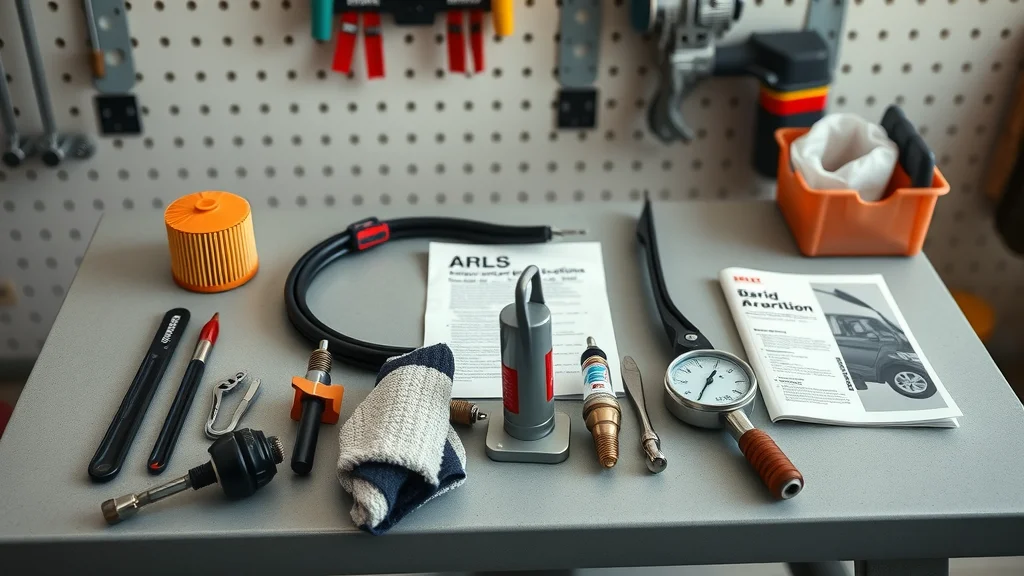
Table: The Ultimate Car Maintenance Schedule Checklist
| Task | Recommended Interval | Cost Estimate | Why It Matters |
|---|---|---|---|
| Oil Change | Every 5,000 – 7,500 miles | $40–$120 | Keeps engine running smoothly; prevents damage |
| Tire Pressure Check | Monthly | $0 (DIY) – $10 | Improves fuel efficiency and tire life; enhances safety |
| Brake Pads | Every 20,000 – 70,000 miles | $150–$300 per axle | Essential for safe stopping and avoiding brake failure |
| Air Filter | Every 15,000 – 30,000 miles | $15–$40 | Promotes clean engine air and efficient combustion |
| Spark Plugs | Every 30,000 – 100,000 miles | $60–$200 | Ensures proper ignition and fuel efficiency |
| Timing Belt | Every 60,000 – 100,000 miles | $500–$1,000 | Prevents catastrophic engine failure |
| Car Battery | Every 3 – 5 years | $70–$200 | Reliable engine starting and power to vehicle systems |
| Windshield Wipers | Every 6 – 12 months | $15–$30 | Maintains clear visibility during bad weather |
Understanding Car Maintenance Tips: The Basics for Every Car Owner
What is Car Maintenance?
Car maintenance refers to a set of regular actions and inspections designed to keep your vehicle running reliably and efficiently. From checking engine oil and monitoring tire pressure to replacing air filters and inspecting brake pads, these tasks all contribute to safer and smoother journeys. Each car make and model comes with a manufacturer’s maintenance schedule, but the core principles apply to all vehicles. Auto maintenance is about preventing small issues from turning into major repairs and ensuring every system—from the car battery to the timing belt—functions as intended.
By following basic car maintenance tips, drivers can spot early signs of trouble, address wear and tear, and boost the overall lifespan of their vehicles. A well-maintained car not only starts without fail but also retains better value in resources like the Kelley Blue Book, thanks to meticulous service records. Whether you’re performing at-home checks or visiting a certified service center, routine maintenance is an investment in your vehicle’s safety, performance, and resale worth. It’s a vital habit for every car owner who wants hassle-free driving and fewer costly surprises.

Why Regular Car Maintenance Tips Prevent Breakdowns
Ignoring simple maintenance tips is the quickest route to an unexpected breakdown. Components like the timing belt, brake pads, and spark plugs all wear out over time, often without noticeable warning until failure occurs. Regular car maintenance ensures every part from your tires to your engine is working at its best. Warning lights, strange noises, or odd sensations while driving should never be ignored. Quick attention removes minor issues before they cause inconvenient—or dangerous—breakdowns.
Routine auto maintenance, such as changing oil on schedule and checking the engine air filter, supports optimal fuel efficiency, reliable car running, and a longer lifespan for your investment. Not only does this reduce the chance of being stranded, but it also directly improves your vehicle’s reliability, especially on long drives or in extreme weather. Preventive maintenance can mean the difference between a simple repair shop visit and a major overhaul, keeping your vehicle in peak condition and delivering peace of mind every time you hit the road.
Routine Auto Maintenance Tips for Optimal Car Performance
Weekly Maintenance Tips: Visual Inspection and Tire Pressure
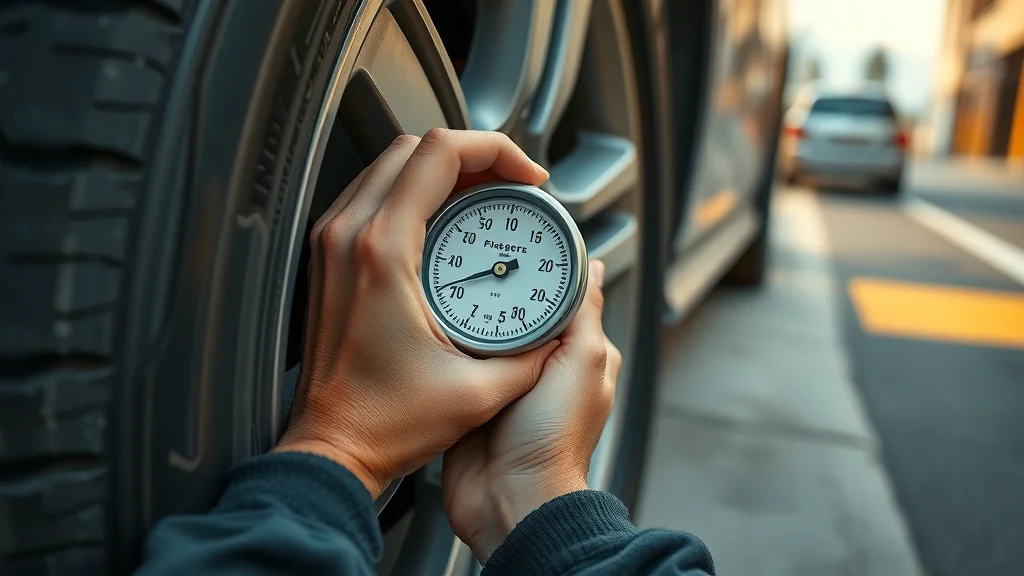
Adopting a habit of weekly visual inspections and checking tire pressure is one of the top car maintenance tips every driver should follow. Walk around your car, looking for visible damage, uneven tire wear, or unusual leaks. Checking tire pressure regularly is essential—too low or too high pressure can lead to unsafe driving, poor fuel economy, and faster tire degradation. Use a reliable tire pressure gauge to match the psi listed in your owner’s manual or door jamb label, adjusting as needed for your make and model. Keeping tires at the correct inflation level maximizes contact with the road for stable handling and prolongs the life of your tires.
Include a quick inspection of lights, windshield wipers, and fluid levels—like coolant and washer fluid—in your weekly check. This routine empowers you to catch small issues before they become major headaches. For example, catching a low oil warning light in its early stages gives you time for an oil change that protects the engine running smoothly. Regular, small maintenance tasks can add up to big savings on repairs and reduce the risk of malfunction at inconvenient times.
Monthly Car Maintenance Tips: Fluids and Warning Light Checks
Once a month, go beyond visual checks and examine all fluid levels in your vehicle—engine oil, brake fluid, transmission fluid, coolant, and windshield washer fluid. Adequate fluid levels are essential for your engine running smoothly and for safety features like brakes and steering systems. Low or dirty fluids can trigger a warning light and signal a need for immediate maintenance or professional help. If any levels are under the recommended mark, top up or schedule a service appointment as soon as possible.
Monthly checks should also include careful attention to dashboard warning lights. Ignoring these signals can escalate minor issues into costly repairs. Modern cars often have a variety of sensors monitoring everything from tire pressure to engine air quality. Addressing these alerts promptly ensures you’re not compromising the safety, performance, or longevity of your car. This methodical approach to monthly maintenance helps keep your vehicle problem-free—and your journeys trouble-free.
Annual Car Maintenance Tips: Service Center Visits & Engine Care
At least once a year, schedule a comprehensive check-up with your trusted repair shop or service center. Professional mechanics can spot wear or damage that may not be obvious, providing preventative care before costly trouble strikes. Important annual tasks include wheel alignment, brake pad and timing belt inspections, as well as detailed engine system diagnostics. These appointments should be a cornerstone in your car maintenance routine, supplementing your at-home checks for total peace of mind.
Annual visits are also the perfect opportunity to have your engine air filter replaced, check the condition of spark plugs and plug wires, and conduct an overall safety inspection. Even if your car appears to be running well, preventive service center appointments help maintain your vehicle’s warranty and keep your maintenance schedule up to date. An expert’s eye ensures your engine, brakes, and all systems are ready for another year on the road—no matter how many miles you drive.
Car Maintenance Tips for Tires: Pressure, Wear, and Longevity
Essential Tire Pressure Checks and Rotations
Maintaining correct tire pressure is one of the simplest and most effective maintenance tips to extend tire life and keep your car running safely. Use a tire pressure gauge monthly to check that each tire matches manufacturer recommendations. Incorrect pressure—either too high or too low—affects fuel efficiency, tire wear, and vehicle handling. Many modern vehicles alert drivers to issues with a tire pressure warning light, but a manual double-check is always smart, especially before long trips or seasonal temperature changes.
Tire rotation is equally important and should be performed every 5,000 to 7,500 miles or as stated in your owner’s manual. Rotating tires helps spread wear evenly across all four tires, maximizing longevity and improving traction. Keeping up with these tire-focused car maintenance tips reduces the risk of sudden flats or blowouts and helps maintain optimal alignment for a smooth, safe ride.
Recognizing Tire Wear and When to Replace
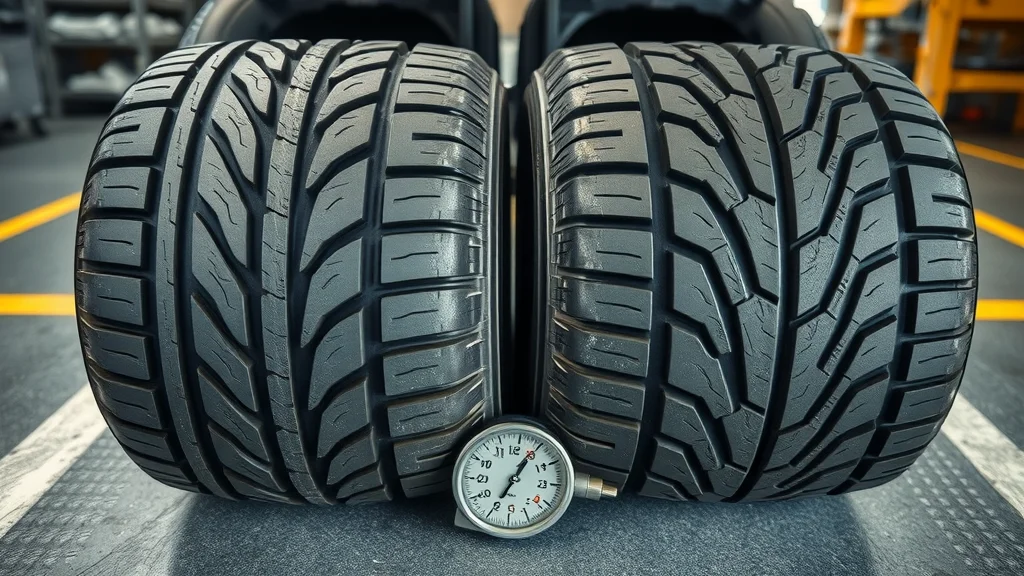
Regularly inspecting your tires for signs of wear is key to both safety and performance. Look for uneven tread depth, bald spots, or cracks in the sidewalls—these are all signals that it may be time for replacement. If you insert a penny into the tread and see the top of Lincoln’s head, your tire tread is dangerously low. Driving on worn tires not only endangers your safety but also reduces traction and fuel efficiency, impacting how well your car can run in wet or slippery conditions.
Be aware of abnormal vibrations, pulling to one side, or excessive road noise—these symptoms may indicate alignment issues or uneven tire wear. Proactive tire replacement in response to clear signs of aging or damage prevents blowouts and supports optimal car running. Regularly checking and replacing your tires according to expert car maintenance tips makes every journey safer and reduces the risk of sudden, costly roadside emergencies.
Car Maintenance Tips for Oil Change and Engine Health
How Often Should You Change Engine Oil?
Changing your engine oil on a regular basis is foundational to effective car maintenance tips. Most vehicles require an oil change every 5,000 to 7,500 miles, though you should always check your owner's manual since intervals may differ by make and model. Ignoring this can lead to oil breakdown, sludge buildup, and eventually, severe engine damage. Using synthetic oil can extend change intervals, but it doesn’t eliminate the need for regular checks. Clean oil lubricates moving parts, reduces engine wear, and prevents overheating—all critical to keeping your engine running smoothly and extending its life.
Frequent stop-and-go driving, short trips, or harsh operating conditions may mean you need oil changes more often. If a warning light on your dashboard appears or if you notice changes in oil color or texture, act immediately. Routine oil changes are among the simplest auto maintenance steps that can save you from a cascade of engine issues, expensive repairs, and costly downtime.
Checking Engine Air Filter and Enhancing Engine Air Quality
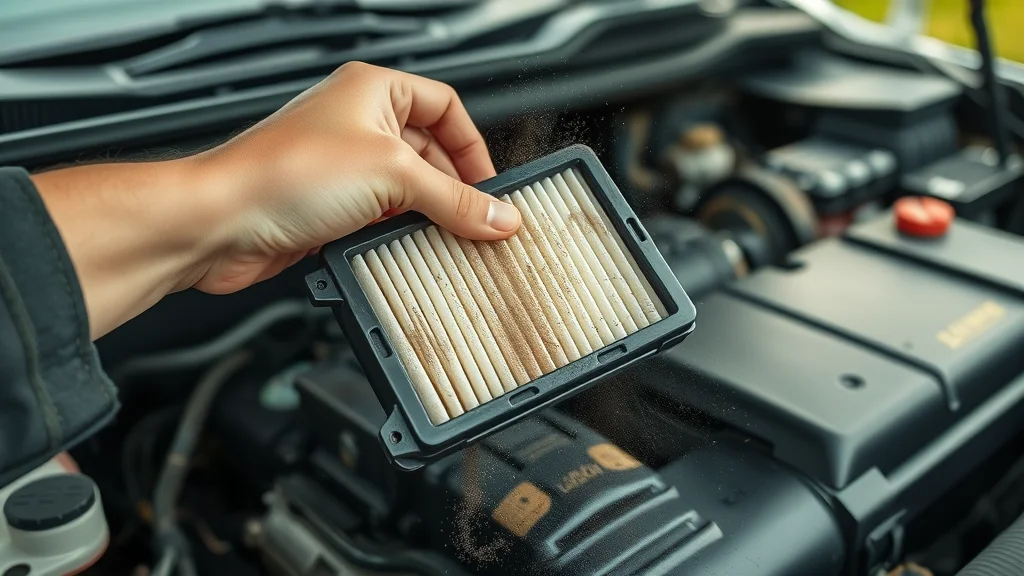
Your engine air filter plays a vital role in ensuring that clean air enters the engine for combustion. Clogged or dirty filters restrict airflow, diminish performance, and increase fuel consumption. The recommendation for most vehicles is to check or replace the engine air filter every 15,000 to 30,000 miles, though dusty environments or frequent city driving may necessitate more frequent checks. Keep an eye out for reduced acceleration or higher fuel consumption, both of which can indicate a dirty filter affecting your car running.
Replacing an air filter is a simple yet impactful car maintenance tip that supports efficient engine operation and minimizes emissions. This small investment boosts your engine’s longevity and day-to-day performance. For optimal results, inspect your air filter at every oil change, replacing it if you see heavy dirt, dark color, or visible debris. Keeping the engine air clean is an easy way to ensure every drive is as smooth and efficient as possible.
Car Maintenance Tips for Spark Plugs and Battery Care
Signs You Need New Spark Plugs or Spark Plug Wires
Spark plugs are pivotal in your car’s ignition system—without healthy spark plugs, your engine running efficiently is impossible. Symptoms of deteriorating spark plugs include rough starts, engine misfires, reduced fuel efficiency, and a lack of acceleration. Most cars need them replaced every 30,000 to 100,000 miles, but certain high-performance or older models might require more frequent changes. If you notice your engine stalling or jerking during acceleration, it’s time to inspect both the spark plugs and plug wires.
Replacing spark plugs is a straightforward auto maintenance task that resolves performance problems and prevents further engine system issues. Don’t overlook these tiny components—a neglected spark plug can cause damage to your ignition coils and impact overall reliability. By keeping them in top shape, you help ensure every ignition is instant and every drive is smooth.
Maintaining a Healthy Car Battery
A reliable car battery is the backbone of successful engine starts and functioning electronics. Check your battery for corrosion, especially around the terminals, and clean as necessary. A battery’s lifespan typically ranges from 3 to 5 years, but severe climates, frequent short trips, or leaving electronics running when the engine is off can all decrease battery life. Watch for slow engine cranking, flickering lights, or a dashboard warning light—these are warning signs of a failing battery.
Proactive battery maintenance, such as tightening connections and testing voltage at your service center or repair shop, is crucial. Replace your battery when it shows signs of weakness to avoid unexpected breakdowns. This straightforward car maintenance tip will ensure you’re never caught off guard and will keep every system powered and ready.
Brakes and Safety: Brake Pads, Timing Belts, and Critical Maintenance Tips
When to Replace Brake Pads for Safe Car Running
Brake pads are fundamental to safe driving and must be regularly monitored for wear. Listen for squealing or grinding noises—a telltale sign that your brake pads need immediate attention. Typically, they should be replaced every 20,000 to 70,000 miles depending on your driving habits and terrain. Neglected brake pads don’t just wear out; they can damage your rotors, resulting in much higher repair costs.
Check your vehicle’s performance: if you notice your car pulling to one side, a soft brake pedal, or increased stopping distance, it’s time for an inspection. Consistent brake care is a cornerstone of every list of car maintenance tips—it protects you, your passengers, and others on the road by ensuring you can stop precisely in any situation.
Timing Belt: The Overlooked Car Maintenance Essential
The timing belt is a crucial but often overlooked maintenance item that coordinates your engine’s valves and pistons. Failure to replace your timing belt at manufacturer-recommended intervals (often every 60,000 to 100,000 miles) can spell disaster—a snapped belt can cause catastrophic engine damage, costing thousands to repair. Include periodic timing belt checks when you visit your service center for routine auto maintenance.
Look for subtle signs like engine misfires, ticking noises, or trouble starting as indicators of a worn timing belt. Proactive replacement is far less expensive than the alternative. Following this essential car maintenance tip keeps your engine running and helps extend the life of your car for years to come.
Car Maintenance Tips for Wipers, Lights, and Visibility
Windshield Wipers: When to Replace and How to Check
Your vehicle’s windshield wipers are a safety feature that should never be neglected. Worn or damaged blades can leave streaks, reduce visibility, and slow your response time in heavy rain. Inspect your wipers every few months—replace them at least once a year, or sooner if you hear skipping or see rubber separation.
It’s a quick and inexpensive fix—a new set of wiper blades can make all the difference in a downpour or snowstorm, ensuring a sharper, clearer field of vision. Adding this easy check to your list of regular car maintenance tips provides better safety and comfort behind the wheel.

Checking and Replacing Car Warning Lights
Dashboard warning lights are your car’s built-in early warning system. Don’t ignore them—whether it’s an oil, ABS, tire pressure, or check engine light, each message is designed to catch problems early. If a warning light appears, refer to your owner’s manual or schedule an inspection at a trusted repair shop right away.
Many issues can be easily diagnosed and fixed if caught early: for example, topping up fluids, replacing a faulty sensor, or changing worn brake pads. Ignoring these signals can turn manageable repairs into severe malfunctions. Staying attentive to these alerts is a hallmark of good car maintenance tips and best practice for all drivers.
Choosing a Trusted Repair Shop or Service Center for Car Maintenance
How to Select the Right Repair Shop
Selecting the right repair shop is pivotal for successful car maintenance. Look for shops staffed by certified technicians, with strong customer reviews and transparent pricing. Ask about their experience with your car’s make and model, and make sure they use quality parts. Reputable shops offer detailed maintenance records and are happy to explain the work performed.
Don’t be afraid to ask for recommendations from friends or neighbors. A good repair shop is an invaluable resource, capable of assisting you with both routine maintenance tips and emergency repairs. Regular visits build trust and ensure your car stays in top condition.
The Value of Visiting Certified Service Centers
Certified service centers are often the best choice for consistent and high-quality auto maintenance. Technicians at these centers receive ongoing training and use manufacturer-approved equipment and parts. This expertise enables them to spot issues that might be missed elsewhere, helping you stay on top of critical maintenance items like timing belts, spark plugs, and brake pads.
Regular visits to a certified service center help maintain your vehicle’s warranty and assure every task is completed according to manufacturer standards. Utilizing these experts for in-depth system checks and major repairs is a smart way to keep your car running reliably for years, especially as your vehicle ages.

Expert-Recommended Car Maintenance Tips for Every Season
- Winterizing your vehicle
- Summer heat and engine care
- Spring and fall checks
Each season brings unique challenges: in winter, confirm your tires have adequate tread, check antifreeze levels, and consider switching to winter wipers. For summer, focus on engine cooling systems, air conditioning, and keep a close watch on tire pressure, as heat increases psi and blowout risk. During spring and fall, perform a comprehensive check: replace wipers, inspect brakes, rotate tires, and verify your car battery is strong. Adapting your car maintenance tips seasonally ensures you’re prepared for changing conditions and keeps your car running smoothly year-round.
People Also Ask: Decoding Popular Car Maintenance Questions
What is the 30-60-90 rule for cars?
Answer: The 30-60-90 rule is a service schedule guiding routine car maintenance tips every 30,000, 60,000, and 90,000 miles, ensuring checks on spark plugs, timing belts, air filters, oil change, and brake pads.
What are important maintenance tips for a car?
Answer: Prioritize regular oil changes, check tire pressure, replace worn brake pads and air filters, monitor warning lights, and schedule timely inspections at a certified repair shop for optimal car running.
What are the 4 C's of auto repair?
Answer: The 4 C's refer to Concern (identify the issue), Cause (diagnose), Correction (repair), and Confirmation (ensure problem is resolved), integral to comprehensive auto maintenance.
What is 30-60-90 maintenance?
Answer: 30-60-90 maintenance comprises essential service checks and repairs performed at 30,000, 60,000, and 90,000 miles to keep your car running efficiently and safely.
Video Guide: Must-Know Car Maintenance Tips for Beginners
This video features a professional mechanic in a clean, well-lit garage demonstrating oil checks, tire pressure monitoring, and fluid inspections—ideal for visual learners and first-time car owners.
Video Tutorial: How to Perform Basic Car Maintenance Checks
Learn step-by-step how to inspect critical systems on your car, including spark plugs, car battery, and brakes, so you can confidently perform at-home maintenance.
Expert Quotes on Preventive Car Maintenance Tips
"Neglecting small car maintenance tasks now can lead to costly breakdowns later." – Automotive Technician, John Smith
Top 10 Car Maintenance Tips List for All Drivers
- Schedule regular oil changes
- Check tire pressure monthly
- Replace air filter regularly
- Inspect spark plugs and wires
- Monitor brake pads
- Replace timing belt as recommended
- Maintain battery charge and clean terminals
- Replace windshield wipers as needed
- Check all warning lights
- Visit a trusted repair shop or service center
Car Maintenance Tips FAQ: Your Common Questions Answered
- How does car maintenance affect resale value?
- What tools are essential for at-home car maintenance?
- How can I create a routine maintenance schedule?
- Should I use synthetic or regular oil?
How does car maintenance affect resale value? Consistent maintenance with comprehensive service records directly increases your resale value, according to Kelley Blue Book estimates. Buyers trust and pay more for well-maintained vehicles, as they predict fewer repairs in the future.
What tools are essential for at-home car maintenance? Key tools include a tire pressure gauge, oil filter wrench, jack and stands, spark plug socket, jumper cables, and a basic toolbox. These enable you to perform routine checks, address minor issues, and keep up with your maintenance schedule.
How can I create a routine maintenance schedule? Follow your owner's manual and use a calendar or app to track service intervals. Include regular oil changes, tire checks, filter replacements, and make time for annual inspections at your service center or repair shop.
Should I use synthetic or regular oil? Check your owner's manual for guidance. Synthetic oil typically lasts longer and performs better under extreme conditions, but follow manufacturer recommendations for your engine’s best health.
Key Takeaways: Car Maintenance Tips Every Owner Should Remember
- Proactive car maintenance tips save money and extend your car's lifespan
- Prioritize routine safety checks, oil changes, and tire pressure for optimal performance
- Consult professional service centers for complex issues or 30-60-90 interval services




Write A Comment