 Add Row
  Add
Add 


Did you know that peak summer heat can cause car paint to fade up to 40% faster while increasing water spots and interior wear? As temperatures climb, your vehicle faces relentless threats from UV rays, direct sunlight, and environmental contaminants. Without the right approach, your prized car’s paint job, clear coat, and interior can all suffer irreversible damage. In this comprehensive guide, you’ll uncover the best auto detailing tips for summer designed to safeguard your investment, beat the heat, and keep that glossy, like-new finish—no matter how high the mercury climbs.
Startling Facts: Why Auto Detailing Tips for Summer Matter
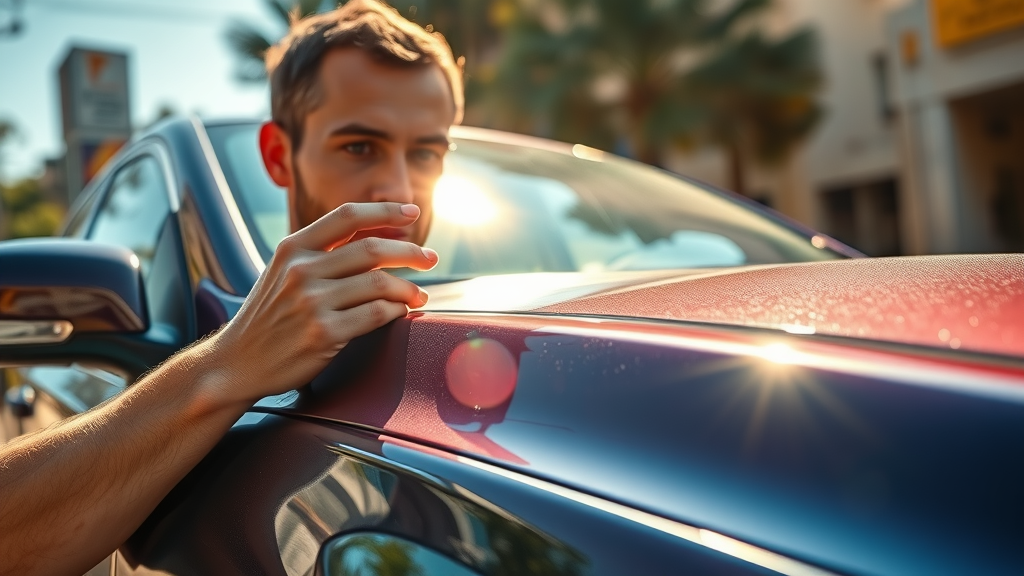
Every year, countless vehicles lose their showroom shine long before their time due to preventable sun damage, UV rays, and poorly timed car washes. Extreme summer temperatures can cause paint jobs to fade, water spots to etch permanently into the clear coat, and dashboards to crack or warp. Even seemingly minor oversights—like washing your car during the hottest part of the day, or using the wrong type of drying towel—can lead to expensive repairs and a dull, aged exterior.
Proper auto detailing in summer is more than just keeping your exterior car clean. It's a science of timing, product selection, and method that preserves your vehicle’s appearance and longevity. By understanding how direct sunlight and seasonal factors impact your detailing routine, you can transform your approach from basic maintenance to ultimate protection. Start implementing these proven strategies and turn every summer into an opportunity to enhance your vehicle’s appeal and value.
What You’ll Learn: The Ultimate Auto Detailing Tips for Summer
- How summer impacts car detailing
- Essential products and tools for summer auto detailing
- How to prevent water spots, UV damage, and fading paint
- Step-by-step car detailing process for hot weather
- Tips for interior and exterior auto detailing during high temperatures
Summer Car Detailing: Key Considerations and Preparation
Why Direct Sunlight and Heat Challenge Auto Detailing
Direct sunlight and intense summer heat turn car detailing from a routine wash into a real challenge. Rapid evaporation of wash water causes streaks and stubborn water spots, while certain products—like waxes and quick detailer sprays—can bake onto the surface, leaving behind hard-to-remove residue. Worse yet, UV rays break down the clear coat and weaken your car’s paint, making it more vulnerable to environmental pollutants and further sun damage. Choosing the right time for your detailing routine, understanding the risks of direct sun on automotive surfaces, and knowing how heat accelerates product drying are fundamental to preserving your car’s finish.
Summer also poses unique risks for delicate automotive interiors. Heat trapped inside your vehicle can skyrocket to dangerous levels, amplifying UV damage and fading everything from seat covers to your dashboard's digital display. High temperatures also affect cleaning effectiveness and product performance, so strategic preparation is essential—especially for those aiming to restore their car back to life after a long, dusty spring.
Choosing the Right Time and Place for Summer Auto Detailing
Professional auto detailing experts and enthusiasts alike agree: timing and location can make or break your summer car detailing routine. Opt for early morning or late evening sessions—when temperatures are cooler and direct sunlight is weakest. If possible, work in a shaded area, such as beneath leafy trees, a carport, or inside a ventilated garage. Shading not only shields your paint job from the immediate effects of UV rays but also allows for even drying, minimal streaking, and longer working times for washing and waxing.
Remember, even the best products can only work effectively when the surface temperature is within optimal ranges. Detailing your car in a shaded area also prevents residues from forming, giving your efforts longer-lasting results. This professional approach keeps your car’s surface cool and manageable, ensuring the highest quality finish. In summary, the right environment is one of your most effective summer car care tools.
Essential Products and Tools for Summer Auto Detailing
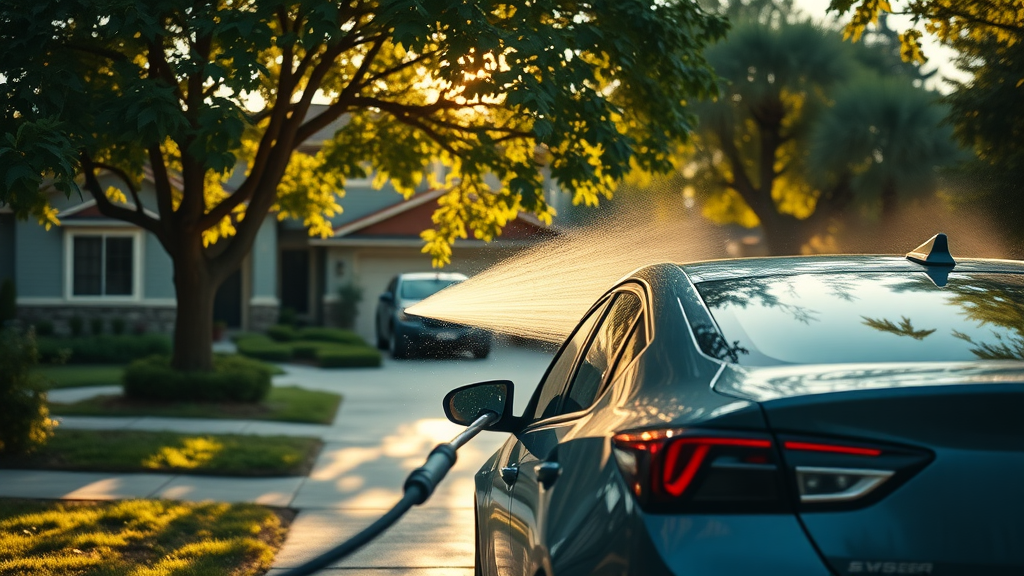
- pH-neutral car shampoo for exterior cleaning
- Microfiber towels to prevent scratches and water spots
- UV-resistant waxes and sealants
- Quick detailer sprays
- Interior protectants with UV blockers
| Product | Purpose | Best For Summer |
|---|---|---|
| pH-neutral shampoo | Gentle washing, minimizes water spots | All paint types |
| UV-resistant wax | Shields paint from fading | Prolonged sun exposure |
| Microfiber towels | Scratch-free drying | Preventing water spots |
| Interior UV blocker | Protects dash, seats | Hot climates |
Arming yourself with the right equipment sets the foundation for high-quality auto detailing—especially during summer. A pH-neutral car wash shampoo protects the paint's integrity, while microfiber towels eliminate the risk of micro-scratches and soaking up residual wash water. For the exterior, using a UV-resistant wax or ceramic coating forms a protective barrier against relentless sun rays and helps prevent fading or discoloration of your precious paint job. On the inside, invest in UV blockers and conditioners formulated to defend against heat-induced wear and cracking, keeping every surface smooth and resilient.
Do not overlook quick detailer sprays—they deliver a fast, high-gloss touch-up between major washes and add an extra layer of wax protection. These are great when you’re caught short on time or want a quick refresh after an unexpected rainstorm or dusty drive. With the right products, your summer auto detailing efforts will be easy, safe, and highly effective.
Auto Detailing Tips for Summer: Step-by-Step Exterior Protection
- Rinse your car thoroughly before washing
- Use the 2-bucket method for effective cleaning
- Avoid washing in direct sunlight
- Apply a high-quality UV protectant wax
- Carefully dry with microfiber towels to prevent water spots
"In summer, auto detailing is not just about aesthetics—it’s essential protection against UV and heat damage."
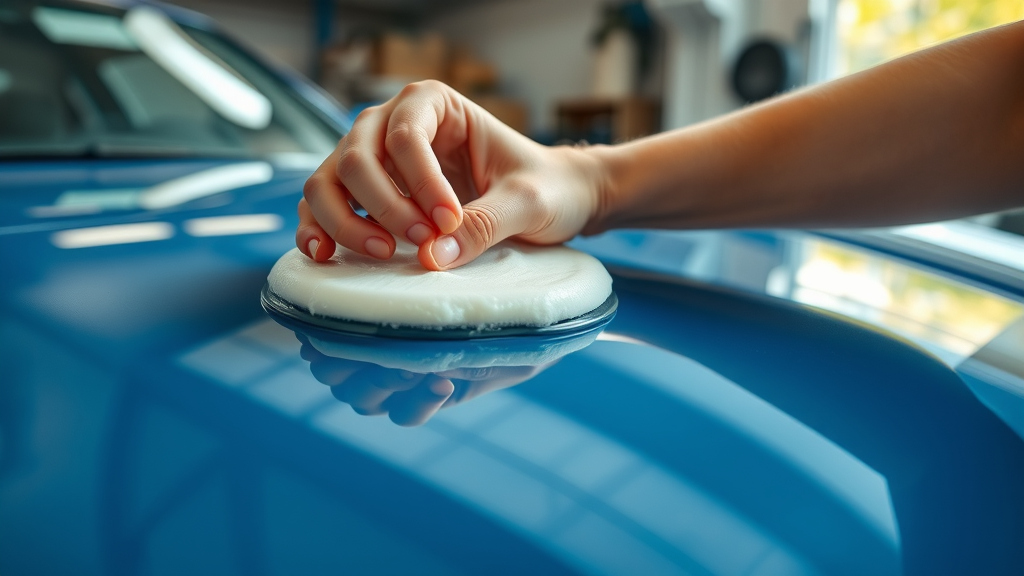
Start with a thorough rinse to remove loose dirt and contaminants before introducing any cleaners. Always use the 2 bucket method: one filled with soapy water and one for rinsing, guaranteeing that your wash mitt or sponge doesn’t reintroduce harsh particles that could create swirls. Thick foam applied with a high-quality wash shampoo boosts the cleaning power and prevents scratches, especially on sun-heated surfaces.
When you move to waxing, a thin layer of UV-resistant wax makes a world of difference, enduring against direct sun and repelling dust for weeks. Rinse and wash in the shade, and finish by using a soft, absorbent drying towel to stop any water spots from forming. This careful, step-by-step approach strengthens your vehicle’s finish, making it resilient through even the hottest summer months.
Auto Detailing Tips for Summer: Interior Care and UV Defense
- Vacuum carpets and seats to remove abrasive debris
- Use UV-protectant cleaners on plastic, leather, and vinyl
- Keep windows closed and consider using sun shades
- Condition leather to prevent cracking in the heat
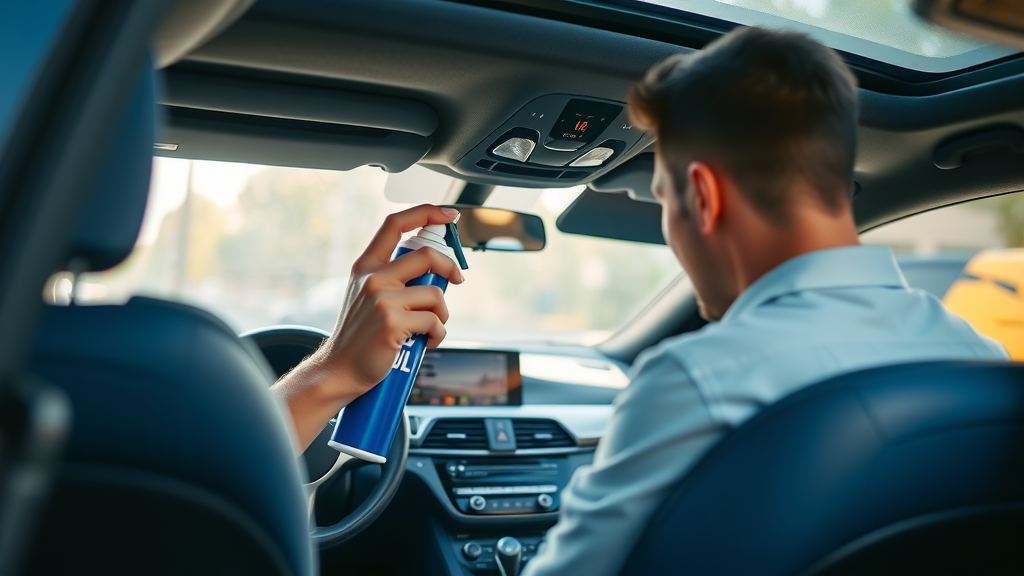
A summer-ready auto detailing routine doesn’t stop at the exterior. High temperatures and relentless sun can take an even heavier toll on your interior. Start your routine by vacuuming all carpets and seats, eliminating hidden sand and dirt that act as sandpaper underfoot. Use UV-protectant sprays and conditioners for all plastic, rubber, and leather surfaces. These fortify your interior against fading, cracking, and warping brought on by repeated heating and cooling cycles.
To further shield your car, deploy windshield sunshades when parked and ensure all windows are fully closed for maximum blockage of intrusive UV rays. Pay special attention to leather seats by applying conditioners—preventing them from drying out and splitting in the intense summer heat. Smart, routine interior care brings lasting comfort, boasts a fresh cabin look, and keeps your vehicle’s value high, even in the face of extreme weather.
Preventing and Treating Water Spots: Summer-Specific Auto Detailing Tips
How to Avoid Water Spots During Auto Detailing
Preventing water spots starts with careful technique. Always wash and rinse your car in the early morning or late evening to minimize rapid evaporation and spotting, especially in places like North Carolina where humidity and heat spike during the day. Make sure to dry every inch of the exterior car completely with a clean microfiber towel. This helps absorb excess water and avoids mineral deposits—one of the main causes of stubborn water spots. Using filtered or softened water also ensures that hard minerals don’t leave unsightly marks after the car wash is complete.
If washing outside is a must, choose a shaded area, and work swiftly to dry each section before moving on. A good detailing routine involving proper drying techniques makes a dramatic difference, ensuring your car retains its vibrant, spot-free gleam after every session.
Removing Water Spots from Car Surfaces
Sometimes, despite best efforts, you may find water spots on your car’s paint, windows, or mirrors. For light marks, a solution of equal parts white vinegar and distilled water can break down mineral deposits without harming the finish. Apply with a soft microfiber towel, using gentle circular motions. For tough or etched spots, specialty water spot removers formulated for auto detailing deliver targeted results, restoring clarity and smoothness to the surface.
After removing spots, reinforce your protection with a fresh coat of UV-protectant wax or even a ceramic coating. This reestablishes a barrier and makes the next clean-up even easier. Regular attention to both prevention and treatment keeps your vehicle looking pristine and ready to shine through every summer adventure.
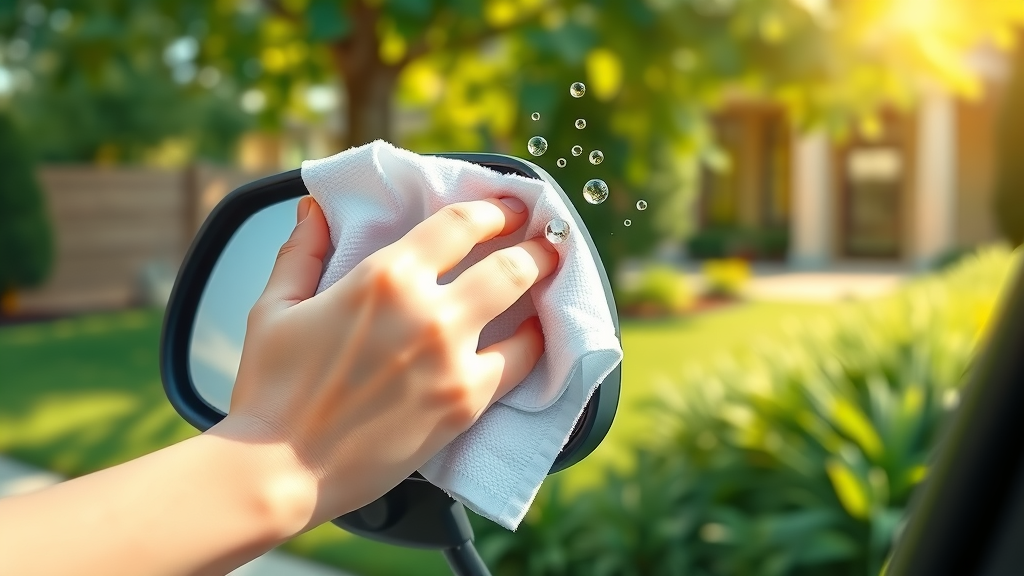
Best Practices: Auto Detailing in Direct Sunlight vs. Shade
- In the shade: More even drying, reduced risk of streaks and water spots
- In direct sunlight: Increased evaporation, higher water spot risk—detailing should be minimized or avoided when possible
Direct Sun vs. Direct Sunlight: What Are the Risks for Summer Auto Detailing?
While the terms are often used interchangeably, direct sun refers to the harsh, perpendicular rays that intensify product bake-on and make cleaning a struggle. Direct sunlight ramps up evaporation, causing products like shampoo, wax, and quick detailer sprays to dry prematurely. This leaves behind spots and streaks that can be difficult or even impossible to buff away once hardened. When working in a shaded area, surfaces remain cooler, water evaporates more evenly, and results are significantly enhanced. Always select an area shielded from the sun for your summer car wash to protect both the exterior finish and your sanity.
People Also Ask: Summer Auto Detailing Questions Answered
How much should I tip for a $100 car detail?
A standard gratuity for professional car detailing is between 10–15% of the total service price. So for a $100 car detail, tipping $10–$15 is customary if you’re satisfied with the results. Many customers choose to tip more for exceptional service or if their detailer went the extra mile with tricky stains or dedicated care.
What is the best temperature to wash a car in the summer?
The optimal temperature for washing a car during summer ranges from 50°F to 75°F (10°C–24°C). Temperatures within this range slow down the evaporation rate of wash water and cleaning products, allowing for a thorough wash and gentle application of wax or polish. If it's hotter, consider detailing during early morning or late evening for better outcomes.
What is the 2 bucket method for car detailing?
The 2 bucket method is a professional car wash technique that uses one bucket filled with soapy water and a second bucket filled with clean rinse water. After each pass on the vehicle, you rinse your wash mitt in the plain water before dipping it back into the soap. This reduces cross-contamination and minimizes swirl marks caused by reapplying dirt to your car’s surface.
What is the correct order to detail a car?
The ideal order for a complete auto detailing session is: start with wheels and tires, proceed to an exterior pre-rinse, conduct a thorough wash and rinse, dry the car, clay bar if needed, polish surfaces, apply a layer of wax or sealant, and finish with comprehensive interior cleaning.
FAQs: Auto Detailing Tips for Summer
-
How often should I detail my car in summer?
At least every 4–6 weeks, though frequent touch-ups help safeguard against rapid sun damage. -
What are the must-have products for summer car care?
pH-neutral shampoo, UV-resistant wax, microfiber towels, and interior UV protectant sprays. -
Can I use regular household cleaners on my vehicle during summer auto detailing?
Avoid household cleaners—they may strip the clear coat or cause fading. Always use products designed specifically for auto detailing.
Key Takeaways: Auto Detailing Tips for Summer
- Beat the heat by detailing in shade and during cooler parts of the day
- Use UV and heat-resistant products for best results
- Prevent water spots with proper techniques
- Regularly maintain both interior and exterior for maximum protection
Conclusion: Protect Your Car with Expert Auto Detailing Tips for Summer
Proper summer auto detailing is the secret to preserving your car’s appearance and value. Stay vigilant with our tips—your vehicle will thank you through years of glossy, well-maintained finishes.
Ready for Professional Results? Call Us Today!
Call us today at 714-726-5161 to schedule your summer auto detailing appointment and give your car the best seasonal protection.




Write A Comment