 Add Row
  Add
Add 


Did you know over 75% of car enthusiasts underestimate the role of maintenance in ceramic coating durability? If you think ceramic coatings make your car invincible, think again. The truth is, even the best ceramic coatings are only as effective as the care and attention they receive. In this comprehensive guide, we’ll reveal the science, uncover the factors that shorten or extend coating lifespans, and give you proven maintenance tips. Let’s unlock all the ceramic coating durability secrets you need to protect your car’s shine for years to come.
Startling Facts About Ceramic Coating Durability: Why It Matters
For vehicle owners and car enthusiasts who invest in advanced paint protection, understanding ceramic coating durability is crucial. Not only does it impact how your car looks, but it also determines the level of defense against UV rays, dirt and grime, and day-to-day wear and tear. With ceramic coatings boasting hydrophobic properties and impressive longevity, many assume they’re maintenance-free. However, without proper care and a keen understanding of environmental factors, that glossy finish can quickly dull, and the protective layer may degrade—even with top-tier products like Ceramic Pro or competing brands.
Consider this: "According to a recent industry survey, over 75% of car enthusiasts underestimate the impact of proper maintenance on ceramic coating durability." It’s not just about application; it’s about routine habits and smart car washes that truly extend the life of your ceramic coat. In short, ceramic coating durability is a dynamic measure, and ignoring the right practices leads to avoidable paint correction and early product failure. This section will set the stage for understanding why respecting your coating’s limits is the key to long-lasting shine and protection.
"According to a recent industry survey, over 75% of car enthusiasts underestimate the impact of proper maintenance on ceramic coating durability."
What You'll Learn About Ceramic Coating Durability
- Understand the science behind ceramic coating durability
- Discover the role of ceramic coating in advanced paint protection
- Identify key environmental factors impacting ceramic coating longevity
- Learn expert car wash and maintenance strategies for ceramic coatings
- Recognize common mistakes that reduce ceramic coating durability
What Is Ceramic Coating Durability? An In-depth Definition
Ceramic coating durability is the measure of how long a ceramic coat maintains its protective properties, gloss, and hydrophobic effect under real-world conditions. Essentially, it refers to how well and for how long your car’s paint protection remains effective after application. This isn’t just a marketing term—durability depends on product quality, correct application process, environmental factors, and, most importantly, ongoing maintenance by the car owner. When preserved, ceramic coatings can offer a robust protective layer against UV rays, dirt, water spots, and even some scratches. However, their longevity hinges on how you care for your ceramic coating and the conditions your vehicle faces daily.
For vehicle owners who want maximum value, understanding and boosting ceramic coating durability means fewer trips for paint correction, reduced risk of water spots, and a consistently shiny finish. With advanced nanotechnology at play, let’s dive into how this science creates such a resilient, glossy armor for your prized ride.
How Ceramic Coat Technology Works
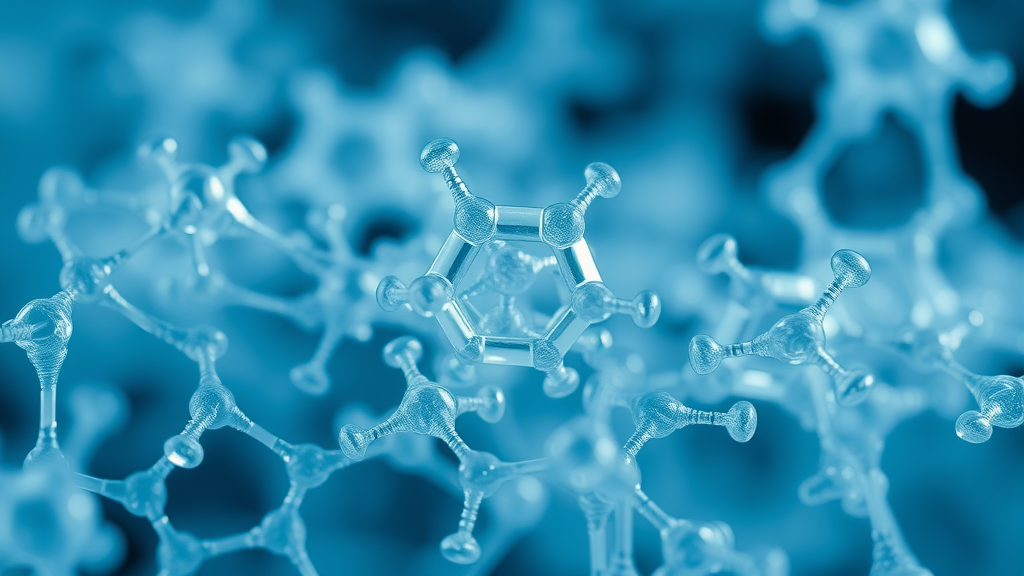
The secret behind ceramic coatings lies in nanotechnology. When a ceramic coat is applied, it forms a semi-permanent, chemically bonded layer with your vehicle's paint. This protective shield, often made from silicon dioxide (SiO2), is less than a micron thick yet works wonders. What makes it stand out? The microscopic particles fill in the pores of the paint, creating a surface that’s ultra-smooth and highly repellent to water, oils, dirt, and even mild acids. This “lotus effect” means contaminants glide off easily, reducing the risk of staining and etching.
The result is a hard, hydrophobic barrier that can withstand routine washing, UV exposure, and unpredictable environmental conditions. However, to maintain these properties, car owners must use gentle car wash methods and avoid harsh chemicals that can weaken the chemical bonds. Nanotech might sound futuristic, but for thousands of vehicle owners, it’s the backbone of lasting, effective paint protection today.
Why Is Ceramic Coating Renowned For Paint Protection?
Ceramic coatings have revolutionized paint protection in the automotive industry. Unlike traditional waxes or sealants, which sit on top of the paint, ceramic coating chemically bonds with the surface, creating a hard yet transparent protective layer. This toughness means your car is shielded from harmful UV rays, oxidation, chemical etching from bird droppings, and even the damaging effects of acid rain. Many car enthusiasts choose ceramic coatings for their outstanding ability to maintain a glossy appearance with minimal wear and tear.
The hydrophobic properties of ceramic coatings keep dirt and grime, salt, and other contaminants from sticking to your vehicle. Water beads up and rolls off, carrying away potential threats to your paintwork. Such advanced technology gives drivers not only a stunning, deep gloss but also peace of mind when driving through harsh environmental conditions. The correct application process and product choice are crucial, but as we’ll explore, longevity depends equally on how the coating is cared for in the months and years after.
How Long Does Ceramic Coating Durability Last? [People Also Ask]
One of the most common questions from car owners is, how long does ceramic coating durability actually last? The answer is—you’ll see a range depending on the brand, application quality, and how well you maintain your coating. Most professional-grade ceramic coatings tout lifespans of two to five years, and top-tier products like Ceramic Pro claim even longer, under optimal conditions. But, this impressive number isn’t guaranteed in every real-world scenario. Variables like exposure to UV rays, harsh weather, frequent car washes, and the use of harsh chemicals can shorten that estimated window.
To ensure you get as close as possible to the manufacturer’s projected lifespan, consistent proper care is non-negotiable. This includes using pH-neutral shampoos, gentle wash tools, and following up with regular inspections. For those who take their car clean routine seriously, the investment in professional ceramic coatings pays dividends far beyond aesthetics, reducing the need for frequent paint correction or touch-ups. In the next section, we’ll break down how different coatings stack up in durability, and what you should realistically expect as a car enthusiast or daily driver.
Ceramic Coatings: Comparing Lifespans & Manufacturer Ratings
Manufacturers typically rate their ceramic coatings based on intensive testing in controlled environments. Standard consumer-grade ceramic coats can last from 1–3 years, while professional options like Ceramic Pro or Modesta can reach up to 7 years or more with exceptional care. However, these numbers often assume perfect conditions—no excessive UV rays, minimal harsh chemicals, and a consistent maintenance routine.
For most vehicle owners, real-world results will fall on the lower end unless they dedicate time to regular inspections, gentle car wash practices, and avoiding strong detergents that strip away the protective layer. While a manufacturer’s claimed lifespan offers a helpful benchmark, consider it your “maximum potential”—not a promise. Make sure you compare product warranties, required maintenance, and upfront application costs to set realistic expectations for your own coating’s longevity.
Table: Typical Durability vs. Environmental Factors
| Ceramic Coating Type | Expected Lifespan | Environmental Factors Impacting Durability |
|---|---|---|
| Consumer/DIY Ceramic Coating | 1–3 years | Frequent direct sunlight, road salts, harsh chemicals, improper washing |
| Professional Ceramic Coating | 3–7 years | UV rays, acid rain, urban pollution, infrequent cleaning, aggressive car washes |
| Top-tier Multi-layer Ceramic Coating | 5–9 years | Extreme weather, chemical exposure, neglectful maintenance, repeated abrasion |
Top Factors That Impact Ceramic Coating Durability
Not all ceramic coatings wear the same over time. Several critical elements determine how long your ceramic coat will continue delivering effective paint protection. Environmental factors like sunlight, weather extremes, and even city pollution can accelerate the breakdown of your protective layer. Just as important are your daily car wash habits—using the wrong chemicals or harsh brushes can strip away the coating’s hydrophobic properties, leaving your paint vulnerable.
To ensure your investment lasts, car owners must recognize the risks posed by harsh chemicals and UV rays, and adjust maintenance routines accordingly. Factors such as frequency of use, storage conditions, and even driving style (city vs. highway miles) will all impact the longevity of your ceramic coat. The next sections detail how these challenges arise, and what you should avoid to keep your car’s finish looking flawless for the long term.
Environmental Factors: From Sunlight to Acid Rain
Environmental factors play a pivotal role in the fate of any ceramic coating. Prolonged exposure to UV rays can degrade the molecular bonds, gradually weakening the hydrophobic barrier and reducing gloss. Similarly, acid rain, industrial fallout, and city smog can corrode or etch the coating if not promptly washed away. Vehicles parked outdoors and those driven daily in harsh weather or urban environments will generally see faster deterioration of their coating, compared to garaged and less-used counterparts.
Car enthusiasts who want to maximize the life of their ceramic coat should incorporate frequent rinsing and gentle car washing to remove embedded dirt and neutralize contaminants. Being mindful of changing seasons, from scorching summers to icy winters, allows you to proactively protect your investment—with the right knowledge, you can adapt your approach and stay ahead of environmental wear and tear.
Harsh Chemicals: What to Avoid for Ceramic Coating Longevity
The quickest way to reduce ceramic coating durability is by exposing your vehicle to harsh chemicals during routine cleaning. Household detergents, strong degreasers, and acidic or alkaline products can strip away the protective layer, leaving your paintwork naked and susceptible to staining or etching. Even some commercial car washes use cleaning agents that are too aggressive for delicate ceramic coats.
If you’re invested in keeping your ceramic pro finish lasting for the long haul, always choose pH-neutral car shampoo and soft wash mitts. Avoiding harsh brushes, wheel cleaners, and drying methods further minimizes micro-scratches and the slow erosion of your coating’s strength. In essence, avoiding harsh chemicals is the foundation of proper care for modern paint protection. Want to see real-world consequences and best practices? Watch: Testing Ceramic Coating Durability in Real-World Conditions (video link).
Expert Guide: Maintenance Routines to Maximize Ceramic Coating Durability
The secret to long-lasting ceramic coating durability lies in your approach to maintenance. Even high-end ceramic coatings like Ceramic Pro require ongoing attention to maintain their hydrophobic effect and gloss. Regular washing with correct techniques, timely inspections for damage, and immediate remediation of contaminants prevent early breakdowns and reduce the risk of recurring water spots or aggressive paint correction. Let’s walk through the car wash strategies and schedules that safeguard your investment and maximize your paint protection dollar.
Every car owner, whether a daily driver or a weekend car enthusiast, can benefit from a planned maintenance schedule. Investing in the right supplies—quality microfiber towels, pH-neutral solutions, and soft drying methods—pays off by extending the life of your ceramic coat and keeping that “new car” look for an extended period. Below, you’ll find pro tips and common-sense habits to adopt starting today.
The Best Car Wash Methods for Ceramic Coating Protection
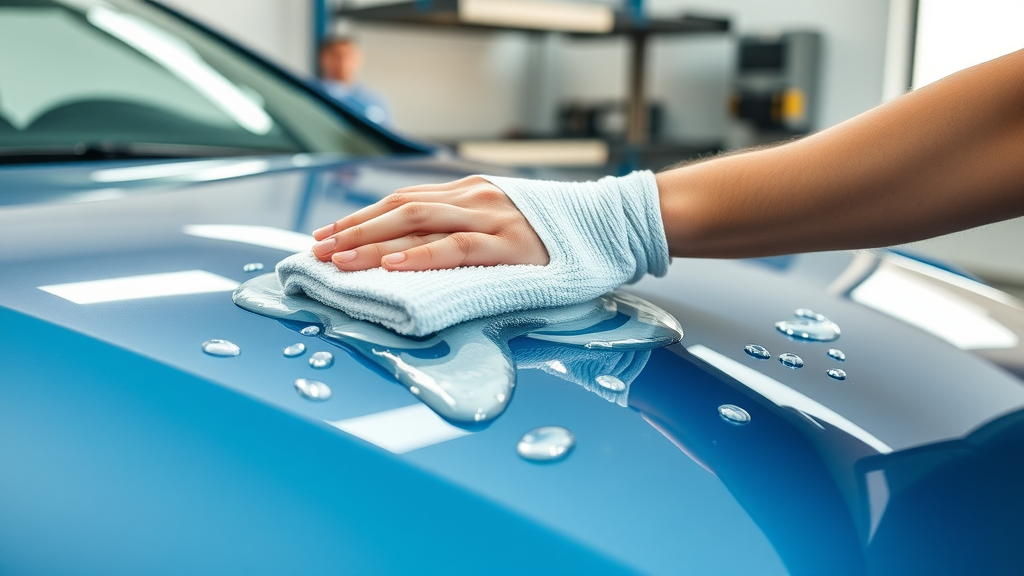
A gentle but effective car wash routine is essential for protecting your ceramic coating. Start with a pre-rinse to remove loose dirt, minimizing abrasion. Always use a dedicated, pH-neutral car shampoo and a soft microfiber mitt to clean—never abrasive sponges or brushes. Wash in straight lines (not circles) to reduce micro-scratches, and work in the shade to prevent soap and water from drying on the surface, which can cause water spots.
Rinse thoroughly and dry with a plush microfiber towel using a blotting motion, or try a touchless dryer for an extra-safe finish. For best results, perform a two-bucket method (one for soap, one for rinsing mitt) to avoid reintroducing grit to the paint. These steps, endorsed by detailers and ceramic pro experts, ensure the longevity of your paint protection while maintaining a brilliant finish. Remember, your goal is to preserve the integrity of the ceramic coat for as long as possible.
Car Wash vs. Car Washes: What’s Better for Durability?
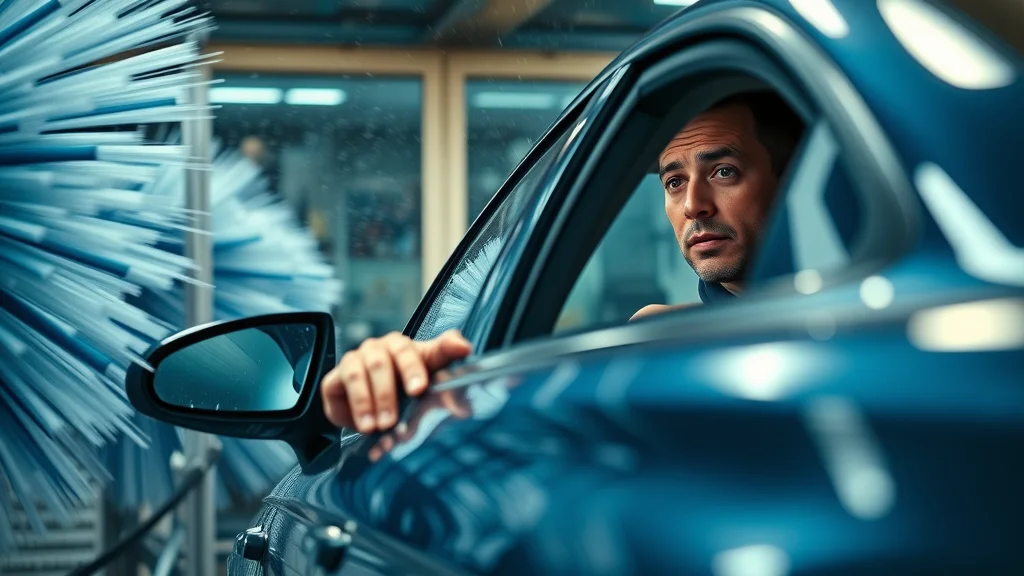
Not all car washes are created equal when it comes to maintaining ceramic coating durability. Automated car wash tunnels often use harsh chemicals and stiff brushes that can quickly degrade your protective layer. In contrast, a professional hand wash or a careful do-it-yourself routine with quality products is gentler and far better for your car’s finish.
To maximize the lifespan of your investment, opt for regular, gentle hand washes, ideally every two weeks. Dry the vehicle safely with a high-pile microfiber towel, and periodically inspect for water spots or surface contamination. If you prefer professional services, seek out specialist detailers who understand the unique requirements of ceramic coatings and use only ceramic pro-approved products. Consistency and the right technique truly make all the difference in avoiding premature paint correction or the need for a reapplication.
- Frequency of maintenance car washes
- Safe drying techniques for ceramic coatings
- Products recommended by ceramic pro experts
Common Disadvantages of Ceramic Coating Durability [People Also Ask]
While ceramic coatings provide exceptional paint protection, it’s important for car owners to be aware of their limitations. Many assume once applied, the coating is an invisible shield against any threat—this isn’t true. The main disadvantages include vulnerability to water spots (especially from hard water), the possibility of swirl marks and fine scratches if the car isn’t washed properly, and the need for ongoing inspection and maintenance. Additionally, correcting imperfections under the coating, such as through paint correction, is much more complicated once the ceramic coat is applied.
According to pro detailers, “Ceramic coating will not make your car invincible—regular paint correction may still be necessary in certain environmental conditions.” Being realistic about these drawbacks means you’ll be better prepared to integrate proper care into your regular car maintenance. Next, let’s address the most frequently asked questions about ceramic coating disadvantages and durability.
"Ceramic coating will not make your car invincible—regular paint correction may still be necessary in certain environmental conditions."
Addressing Water Spots, Scratches, and Paint Correction Needs
Water spots are the most common headache after a ceramic coating application, usually caused by mineral-rich water drying on the surface. While the coating resists bonding, minerals can still deposit, requiring periodic removal with dedicated products. Swirl marks and scratches can develop if improper car washing techniques are used, such as dirty mitts or automated brushes. This is why regular paint correction and gentle touch are essential for lasting results.
Proactive maintenance and smart washing reduce these risks. Check your finish for signs of water spots or fine scratches after every wash, and have professional paint correction performed as needed. Remember, the coating itself needs care—treating your car as if it were still unprotected is the best way to ensure a flawless, long-lasting shine.
Does Ceramic Coating Scratch Easily? [People Also Ask]
Ceramic coatings add a hard, sacrificial layer over the paint, but they aren’t scratch-proof. Minor swirl marks may develop from improper washing, aggressive towels, or accidental contact with abrasive objects. Compared to uncoated paint, though, a ceramic coat offers higher resistance to surface scratches due to its molecular hardness.
For car enthusiasts and vehicle owners, the key takeaway is not to substitute the coating for cautious habits. Using proper wash techniques, dedicated towels, and avoiding harsh chemicals minimizes the risk of unwanted blemishes. If scratches occur, professional inspection and targeted paint correction may be required to restore perfection.
Ceramic Coating Failure: What Destroys Ceramic Coatings? [People Also Ask]
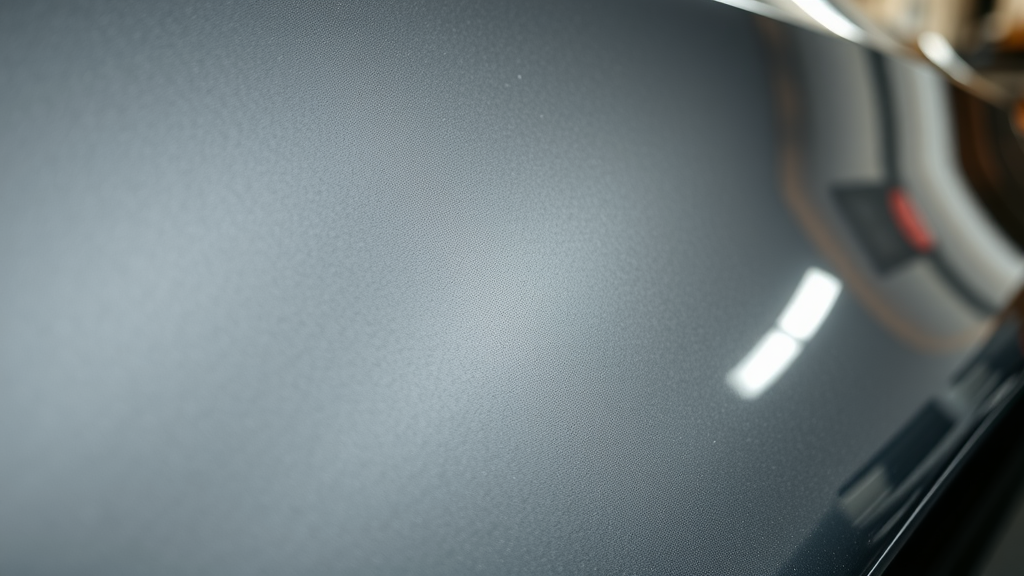
Despite superior durability, ceramic coatings can fail prematurely when exposed to certain threats. Frequent use of harsh chemicals like abrasive cleaners, acidic wheel products, or strong degreasers can strip the protective layer. Automated car washes with stiff brushes and recycled water often leave behind micro-abrasions and damaging residues. Environmental neglect (ignoring bird droppings, tree sap, or industrial fallout) allows contaminants to penetrate the barrier and undermine its effectiveness.
Consistent proper care—immediate spot cleaning, using correct wash products, and routine inspections—serves as the best defense against early failure. For vehicle owners seeking long-term results, adopting a disciplined wash and maintenance schedule is not a luxury; it’s a necessity.
Longevity Myths: Separating Fact from Fiction with Ceramic Coat and Ceramic Pro
The internet is rife with bold claims about ceramic coating durability, from “permanent protection” to “never wash your car again.” Sadly, these are more myth than reality. While ceramic coatings like Ceramic Pro can last for years, their longevity isn’t automatic. Your maintenance routine, exposure to environmental conditions, and product quality play just as large a role in protecting your investment as the initial application.
Separating myth from fact empowers car owners and car enthusiasts to set realistic expectations and form good habits that actually work. We’ll break down the most common misconceptions and give you guidance based on science and real-world experience.
Environmental Conditions and Car Owner Habits: A Realistic Perspective
It is true that environmental conditions—from relentless sun to frequent rain—will test the toughness of any ceramic coating. But what matters most is how you respond. A car owner who takes immediate action against contaminants, avoids harsh chemicals, and follows a steady wash and inspection schedule, will always fare better than one who believes the “set it and forget it” myth.
Your personal driving habits, storage decisions, and even your attention to small details (such as drying with clean microfiber towels) all influence the overall “life of your ceramic.” The bottom line: longevity is earned, not given—and educated care makes all the difference.
Ceramic Coating Durability for Every Car Enthusiast: Best Practices Checklist
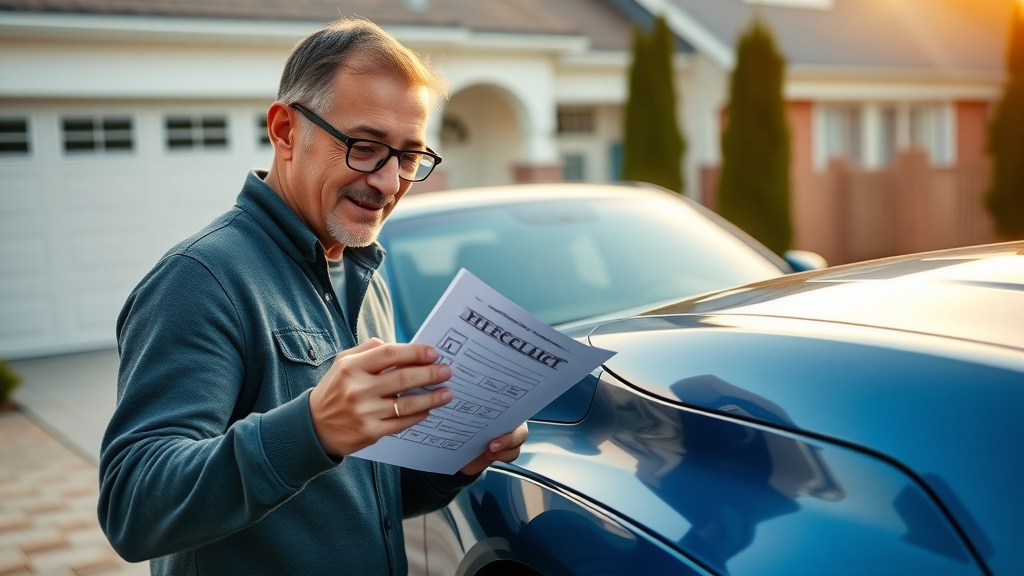
Every car enthusiast and vehicle owner aiming for a flawless finish should follow these proven steps for maximizing ceramic coating durability:
- Inspect your ceramic coating regularly for early warning signs
- Avoid harsh chemicals and improper car wash methods
- Seek timely paint correction by professionals
- Optimize maintenance frequency based on environmental factors
Key FAQs: Ceramic Coating Durability Explained
-
How do I know when to reapply my ceramic coating?
Watch for reduced water-beading, visible swirl marks, or diminishing gloss. If contrary to prior performance, your protective layer may need renewal. Most coatings benefit from annual inspections. -
Can ceramic coating withstand extreme weather?
Yes—ceramic coatings are formulated to defend against UV rays, snow, ice, and acid rain. However, performance and longevity drop if you skip regular cleaning and protection cycles, especially after exposure to harsh weather. -
Does ceramic coating work for all vehicle types?
Absolutely. Whether you drive a luxury sedan, classic sports car, or daily SUV, ceramic coating can enhance protection and gloss. What varies is the application process and frequency of required maintenance per model and usage pattern.
Key Takeaways: Maximizing Ceramic Coating Durability
- Routine care is essential for ceramic coating durability
- Environmental factors play a significant role in longevity
- Regular, gentle car washes preserve ceramic coating protection
Conclusion: Achieving Ultimate Ceramic Coating Durability
Why an Educated Car Owner Achieves Superior Paint Protection
By understanding the science and embracing regular, smart maintenance, every car owner can achieve superior ceramic coating durability and protect that factory-fresh shine for years.



Write A Comment