 Add Row
  Add
Add 


Hook: Did you know that the summer months account for up to 70% of annual paint damage on vehicles due to UV rays and heat exposure? The searing summer sun doesn’t just fade your dashboard or overheat your interior – it silently wages war on your car’s exterior finish. From harmful UV rays to blazing temperatures, summer can turn your car’s paint job from flawless to faded before you know it. But there’s good news: strategic paint protection summer detailing can save your ride and preserve its pristine shine for years. In this comprehensive guide, you’ll discover everything you need to outsmart the summer heat, protect your investment, and cruise with peace of mind.
"Did you know that the summer months account for up to 70% of annual paint damage on vehicles due to UV rays and heat exposure?"
Startling Fact: The Summer Heat Destroys Paint—Protect Your Car Now
Most car owners underestimate the sheer toll the summer heat imposes on their beloved vehicles. UV rays, high temperatures, and relentless sunshine can degrade your car’s paint faster than you think—leading to oxidation, fading, peeling, and a loss of that head-turning gleam. In fact, studies show that up to 70% of annual paint damage on cars occurs during the intense summer months. If you want to protect your car against the damaging summer sun, investing in proper high-quality paint protection summer detailing is not just smart—it’s essential. Proactive car care now can stop costly paint correction later, preserve your vehicle’s value, and give you the peace of mind to enjoy every summer road trip. In this guide, we’ll break down how the right detailing package—think protection film, ceramic coating, and routine maintenance—lets you outsmart the season and keep your paint job flawless, no matter how high the temperature climbs.
What You’ll Learn in This Comprehensive Paint Protection Summer Detailing Guide
- Why paint protection is critical during hot summer months
- Various paint protection solutions: paint protection film and ceramic coating
- How to select the right detailing package for optimal protection
- Step-by-step guide to summer detailing
- Frequently asked questions and expert tips
Understanding Paint Protection: Why Summer Detailing Matters
How Summer Heat and UV Rays Damage Your Car’s Paint
Every sunbeam that lands on your vehicle in summer carries harmful UV rays, which relentlessly attack the paint, breaking down its clear coat and underlying pigments. High temperatures further accelerate oxidation, causing fading, chalkiness, and even bubbling. Environmental factors such as bird droppings, tree sap, and road debris stick more tenaciously to hot surfaces, compounding paint damage. If left unchecked, this kind of exposure can turn routine wear and tear into a costly paint job or even full-body repaint. That’s why summer-long paint protection is about more than just appearance—it’s about safeguarding your car’s integrity, value, and daily joy. Regular car care, parking in shade, and timely application of a protective barrier are key to keeping your car looking new through the hottest days.
The Science Behind Paint Protection During Summer Months
What makes paint protection film, ceramic coating, and advanced detailing so effective during the summer months? The answer is in the chemistry. Protective films and coatings are engineered to repel water, reflect or absorb harmful UV rays, and create a robust shield against environmental contaminants, like bird droppings and tree sap. These layers act as a sacrificial barrier, absorbing the sun’s punishment so your car’s real paint doesn’t have to. Ceramic coatings provide a hydrophobic surface, making regular washing easier and fending off dirt and debris with each rainstorm or wash. Paint protection films are physically tough, absorbing dings from road debris that can quickly mar exposed paint. The best car care routines are rooted in scientific advances—because protecting your paint is smarter than having to fix it later.
Types of Paint Protection for Summer Detailing
Paint Protection Film: Benefits and Limitations
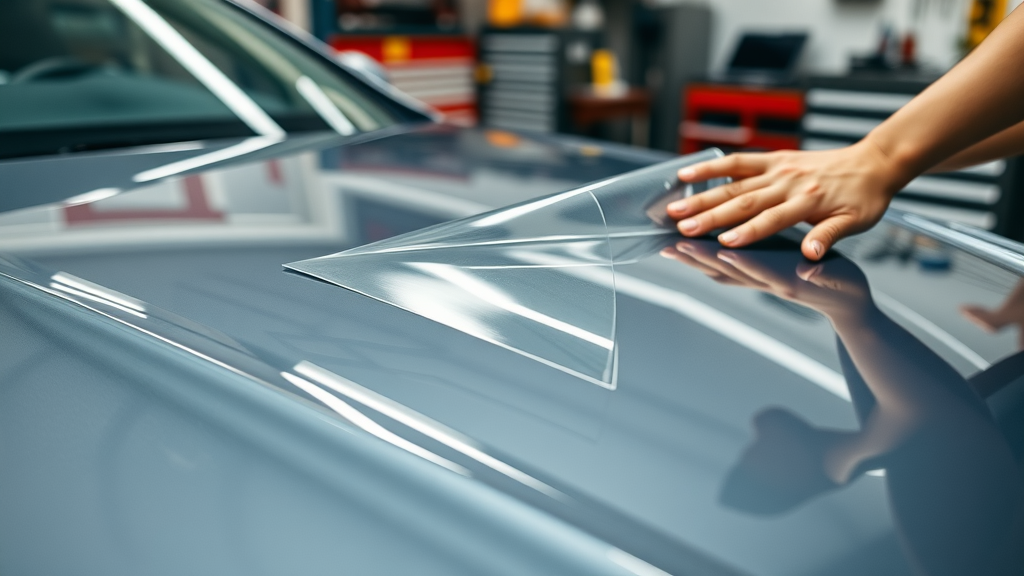
Paint protection film (PPF) is a transparent, ultra-tough film that acts as a shield over your car’s paint. It’s specifically designed to absorb impacts from road debris, minor abrasions, and the relentless assault of UV rays. Unlike waxes or some simple sealants, PPF gives robust, long-lasting season long defense. However, it’s not bulletproof—it may yellow over many years of harsh sun, and lower-quality films can dull your paint’s finish. Professional installation is key; bubbles, edges, and overlaps can otherwise become an eyesore. Still, most car owners find the protection, peace of mind, and ability to maintain a flawless finish worth the investment, especially if you’re planning many summer road trips or park outdoors frequently.
Ceramic Coating vs. Protection Film: A Comparative Look
Ceramic coating and paint protection film are both top-tier solutions for protecting your car, but they serve slightly different functions. Ceramic coatings chemically bond with your car’s clear coat, forming a glossy, hydrophobic (water-repelling) surface that makes it easier to clean off dust, road grime, and contaminants. This high-gloss layer enhances color depth and shine while also deterring minor scratches and marks. PPF, on the other hand, is a thicker, physically resilient barrier primarily for stopping chips, scuffs, and debris impacts. The best detailing package often layers both: film for the front-facing high-impact zones, ceramic coating everywhere else for year-round ease of cleaning and UV defense. Here’s how both compare:
| Feature | Paint Protection Film | Ceramic Coating |
|---|---|---|
| Main Function | Physical barrier against chips, scratches & debris | Chemical barrier for gloss, UV, and ease of cleaning |
| UV Protection | Very Good | Excellent |
| Hydrophobic (Repels Water) | Moderate | Outstanding |
| Appearance | Mostly Matte/Satin | High Gloss |
| Lifespan | 5-10 Years | 2-5 Years |
| Price | Higher | Moderate |
| Best For | Bumper, Hood, High-impact zones | Whole car, easy cleaning, color depth |
Season Long Protection: Choosing the Right Solution for Your Needs
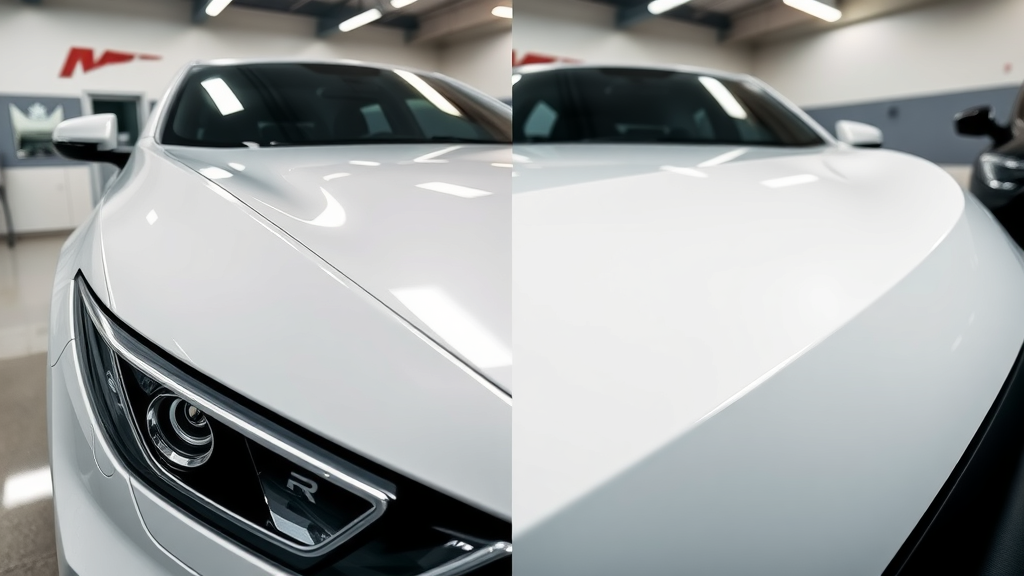
To truly protect your car and keep your paint job showroom-fresh summer long, experts recommend a tailored approach. Busy urban drivers might prioritize ceramic coatings for easy car care and hydrophobic barrier across the whole vehicle. Highway warriors or rural car owners may want to combine thicker paint protection film on the bumper and hood with a ceramic coating elsewhere for all-around defense. Ultimately, working with a detailer who understands local conditions, your usage, and your expectations is key. If you want peace of mind during every road trip, investing a little more up front for both solutions is the gold standard for season long protection.
"For optimal seasonal protection, combine paint protection film with a ceramic coating for complete defense against summer heat." - Industry Expert
Step-by-Step Guide: Paint Protection Summer Detailing Process
- Inspection and Paint Correction: Start with a careful inspection and paint correction to remove any existing swirls, oxidation, or micro-scratches. Paint correction ensures the surface is as smooth and brilliant as possible before sealing it under any films or coatings.
- Selecting Your Detailing Package: Consult with your detailer or do some research to pick the right combination of services—protection film, ceramic coating, or both for specific areas of concern.
- Washing and Surface Preparation: Clean the vehicle with a pH-neutral shampoo, remove tar, sap, and other contaminants, then decontaminate using a clay bar for a squeaky-clean surface.
- Applying Paint Protection Film: Skilled technicians carefully fit and apply the PPF to the targeted areas, ensuring a seamless, bubble-free layer that covers all vulnerable panels.
- Adding a Ceramic Coating Layer: The ceramic coating is applied methodically over the rest of the car (and sometimes over the PPF itself), allowed to bond chemically, and then gently buffed for maximum gloss and protection.
- Expert Curing Techniques: Time, temperature, and humidity are managed to ensure each layer fully cures, so you get the longest lifespan and strongest barrier possible.
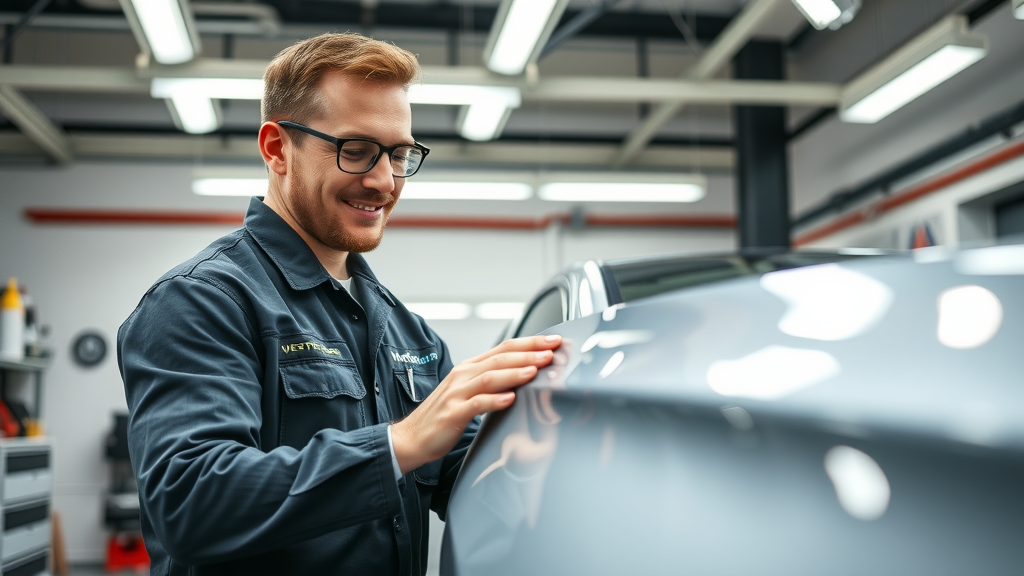
- Final Inspection and Maintenance Tips: Once everything is set, a final inspection confirms perfection. You’ll get tailored advice for maintenance—like safe washing methods, drying, and periodic touch-ups—to ensure your investment lasts all summer (and beyond).
How to Protect Your Car: Maintenance Tips for Hot Weather
- Best practices for washing during summer months: Wash your car with fresh, cool water early in the morning or after sunset. This prevents water spots and soap from baking into the paint. Use a soft microfiber mitt and always rinse thoroughly to keep the finish flawless.
- Avoiding common paint damage mistakes: Skip automatic brushes, abrasive towels, or harsh chemicals that can strip that protective barrier. Don’t let bird droppings or tree sap sit; these eat through even tough ceramic coatings if left too long. Park in shade whenever possible to cut down on direct sun exposure.
- Quick fixes for unexpected summer paint issues: If you notice sap, bird droppings, or mystery stains, use a paint-safe detailer spray and soft cloth right away. For stubborn problems, consult your local car care expert or detailing shop before trying harsh home remedies. Routine, gentle care every week is your best defense against the unseen enemies of the summer sun.
People Also Ask: Paint Protection Summer Detailing
What are the downsides of paint protection film?
While paint protection film offers a strong shield against chips, road debris, and UV rays, it does have a few drawbacks. Over time, lower-quality films can discolor or yellow, especially if constantly exposed to harsh sun. Improper installation can leave visible edges, bubbles, or seams. Also, while it resists scratches, PPF can be cut or torn by sharp impacts, requiring replacement. Still, for most car owners, its benefits far outweigh these manageable limitations.
Is it worth paying for car paint protection?
The short answer is yes—especially if you value your vehicle’s appearance and resale value. Paint protection summer detailing, whether through film, ceramic coatings, or both, can save you far more than it costs in future paint repairs. It keeps your car looking new, makes cleaning easier, and helps you avoid expensive fixes for sun, bird droppings, and minor scratches. For those who cherish their cars or plan to trade in or sell down the road, it’s a smart, forward-looking investment.
How to protect vehicle paint from sun?
For top defense against the summer sun, combine several strategies: park in shade whenever possible, wash and detail regularly, and invest in professional paint protection like ceramic coatings and/or protection films. These form a barrier against harmful UV rays and heat while making surface contaminants less likely to stick or cause damage. Avoid parking under trees (risk of sap and droppings), and always remove any residue quickly with proper car care products.
Is paint protection film worth it?
If you drive regularly, park outdoors, or want to keep your paint job looking sharp for years, investing in paint protection film is more than worth it. It prevents many types of difficult-to-remove damage and gives you peace of mind during every trip. While the upfront cost is higher than wax or sealants, the long-term savings on repairs and paint correction—particularly through summer—make it a favorite among both enthusiasts and everyday drivers.
FAQs on Paint Protection Summer Detailing
- Does paint correction improve summer protection results? Absolutely. A properly corrected and polished surface ensures protection films and ceramic coatings bond better, perform longer, and deliver that coveted smooth, glassy finish.
- Can ceramic coatings and paint protection film be used together? Yes, professionals often apply both. Film goes first (on bumpers, hoods, mirrors), then ceramic coating finishes the job for a complete protective barrier—inside and out.
- How long does paint protection film last in summer heat? High-quality PPF can last 5–10 years, even under frequent summer sun, especially if well-maintained with gentle washing and periodic inspections.
Lists: Top 5 Reasons to Invest in Paint Protection This Summer
- Prevent UV-Induced Fading
- Guard Against Scratches and Chips
- Maintain Resale Value
- Simplify Cleaning and Maintenance
- Enhance Appearance with Gloss and Depth
Key Takeaways: Paint Protection Summer Detailing Essentials
- Summer heat and UV rays accelerate paint damage—protect your car now.
- Paint protection film and ceramic coating are top solutions for season long defense.
- Routine maintenance is crucial for continued protection.
- Investing in professional paint protection delivers real long-term value.
Conclusion: Why Paint Protection Summer Detailing Matters Right Now
Summer paint damage is preventable—with strategic protection, you’ll enjoy showroom shine, easier cleaning, and long-term savings. Don’t wait for fading and chips—protect your finish today!
Call to Action: Call us today at 714-726-5161
Check out our demonstration video to see how professional paint protection film is applied, step-by-step, for unbeatable summer-long defense.



Write A Comment