 Add Row
  Add
Add 


Hook: Have you ever wondered why some ceramic coated cars maintain a dazzling shine for years while others dull and fail to impress? The secret isn’t just in applying a ceramic coat—it's in maintaining it the right way. Let’s reveal the pro tips that separate mediocre results from jaw-dropping gloss!
Unlocking the Secrets: Why Proper Ceramic Coating Maintenance Matters
Every car owner with a ceramic coated vehicle dreams of retaining that fresh, mirror-like shine and legendary hydrophobic properties. But here’s the thing: even the best ceramic coatings are only as good as the maintenance they receive. Without proper care, that high-tech layer can degrade, exposing your car’s clear coat to scratches and swirl marks, water spots, bird droppings, and environmental hazards.
Neglecting routine care or using the wrong cleaning techniques can turn your investment into frustration—and potentially shorten the life of your expensive ceramic protection. If you want your coated car to truly stand out and keep that head-turning gloss, committing to a maintenance routine that’s both gentle and effective is essential. Keep reading for a practical, step-by-step strategy to ensure your ceramic coat delivers lasting benefits.
"Are you really protecting your investment, or just washing your coated car wrong?" Discover the difference maintenance makes for your ceramic coating.
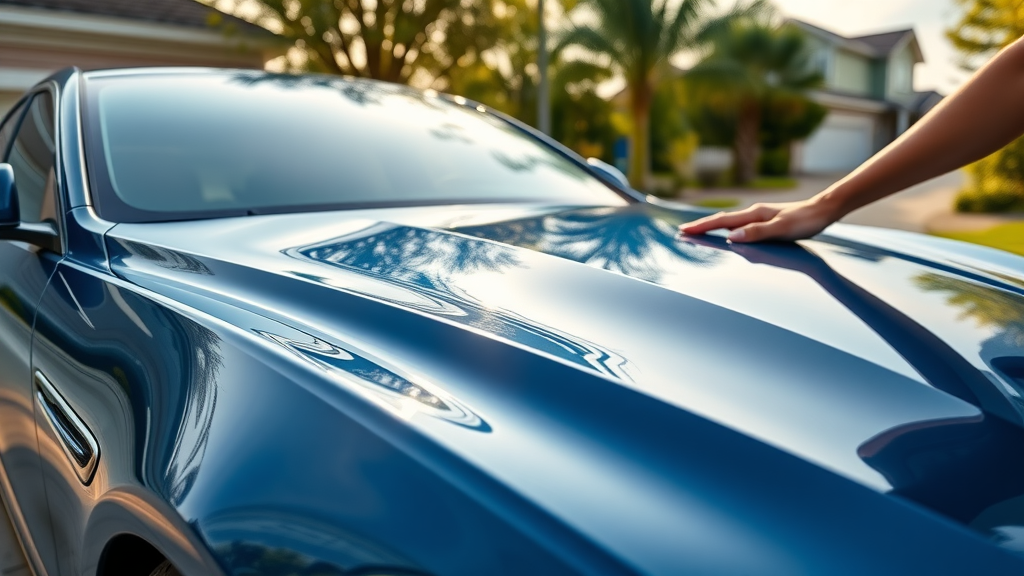
What You’ll Learn About How to Maintain Ceramic Coating
- The essentials of caring for a ceramic coat
- Pro tips for extending the life of your ceramic coating
- Critical do’s and don’ts to safeguard your coated car finish
- Mistakes that can damage a coated vehicle and how to avoid them
Ceramic Coating Overview: What Is It and Why Maintenance Is Crucial
What is a ceramic coating and how does it protect your car?
Ceramic coating is a liquid polymer applied to your vehicle's exterior and cured to form a protective barrier atop the factory clear coat. This barrier offers heightened resistance against contaminants like tree sap, road grime, bird droppings, and UV rays. Thanks to advanced nanotechnology, ceramic coatings bond at a molecular level to provide exceptional hydrophobic properties, making water bead up and roll off the surface while carrying away dirt.
But while ceramic coatings offer outstanding protection and simplified cleaning, they’re not invincible. Without regular upkeep, things like neglected water spots, abrasive washing tools, or acidic chemicals can eat away at the protective layer. Effective maintenance preserves these hydrophobic and protective qualities for much longer, keeping your coated car looking sharp and safeguarding the underlying paint from scratches and swirl marks.

Common misconceptions about ceramic coated vehicles
Many believe that a ceramic coated car needs little to no maintenance. In reality, while this shield makes routine cleaning much easier, it doesn’t make your vehicle immune to water spots, scratches, or stains. Another misconception is that automatic car washes are safe for coated vehicles, but most use harsh chemicals or abrasive brushes that can degrade the ceramic coat and leave scratches.
It’s also often assumed that ceramic coatings are “set and forget”—however, exposure to UV, acid rain, and daily grime means regular care is necessary to maintain their effectiveness. Cutting corners, like using household detergent instead of car soap, quickly undermines both the look and durability of your investment.
"Ceramic coatings don’t make your car maintenance-free—they make it easier, if done right."
Daily and Weekly Care: How to Maintain Ceramic Coating on a Coated Car
Safe car wash practices: The right way to clean a ceramic coat
Proper washing is the backbone of how to maintain ceramic coating. Unlike regular car wash soap, pH-neutral car soap is crucial—it prevents stripping the coating or harming the hydrophobic properties. Start by rinsing loose dirt with a pressure washer or hose. The two-bucket method—one for your wash mitt and car soap, another for rinsing—prevents reintroducing grit onto the coated surface, minimizing scratches.
Never use abrasive sponges or drying towels. A plush microfiber towel, paired with gentle drying motions, ensures you aren’t marring the finish. Washing your coated car every 1–2 weeks prevents the buildup of contaminants that can bond to the ceramic coat and cause long-term issues like water spotting or dullness. Remember, hand wash over automatic car washes whenever possible for the healthiest ceramic finish.
Best car soap and tools: Foam cannon, wash mitt, microfiber towel, and pressure washer for ceramic coated vehicles
To make the most out of your car wash routine and preserve your ceramic coat, invest in high-quality tools. Use a dedicated foam cannon to evenly coat your vehicle in foam; this step lifts dirt and lubricates the surface, reducing swirl marks. A soft microfiber wash mitt glides over paint without scratching, while a gentle pH-neutral car soap helps protect the coated surface.
After washing, it’s critical to use a clean microfiber towel to gently blot the car dry, avoiding water spots. Never use old, harsh, or improperly cleaned towels as they may embed debris. For stubborn residues, like bird droppings or bug splatter, a quick detail spray and a plush towel prevent etching. These small steps extend your coating’s effective life and appearance, setting the standard for coated vehicles.
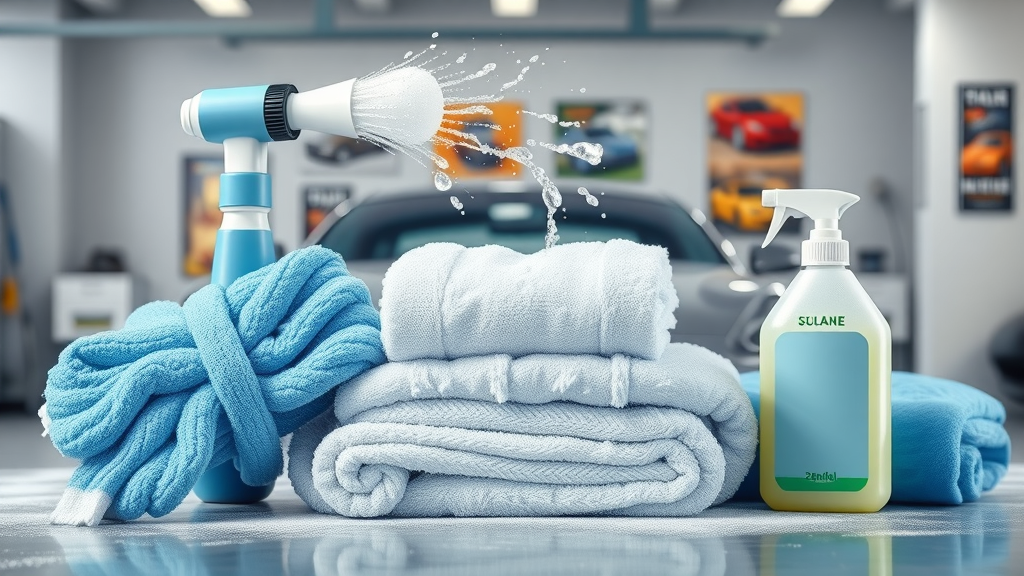
Hand wash vs. automatic car wash for your coated surface
Automatic car washes, while convenient, can be a coated car’s worst enemy. Many use harsh chemicals and abrasive brushes that strip or scratch the ceramic coating, undermining that glossy finish. Opt for a gentle hand wash at home or in a professional detailing shop to preserve your ceramic coat. Hand washing also gives you better control and allows you to spot-treat areas with bug stains, tree sap, or water spots.
Follow this safe sequence every time you wash your ceramic car:
- Rinse with a pressure washer to lift loose dirt
- Apply pH-neutral car soap with a foam cannon
- Use a wash mitt and a two-bucket method
- Dry gently with a microfiber towel
Deep Cleaning and Decontamination: Preserving the Ceramic Coat
How to safely remove stubborn contaminants from a coated car
Even with frequent washing, contaminants like brake dust, tar, and tree sap can stick to the surface of your ceramic coat. The key to preserving your coated car is scheduled deep cleaning. Use proper automotive clay bars or decontamination sprays designed for ceramic coated vehicles—they remove stubborn residues without scratching or dulling the finish. Always lubricate the surface before claying, and avoid using traditional abrasive polishes.
After decontamination, rinse thoroughly and inspect for any missed spots. If you encounter surfaces with persistent water spots, a diluted, pH-neutral solution (or designated water spot remover for ceramic coatings) can help. Avoid vinegar or citrus-based cleaners, as these can degrade the coating over time.
Spot cleaning swirl marks and bug stains on coated vehicles
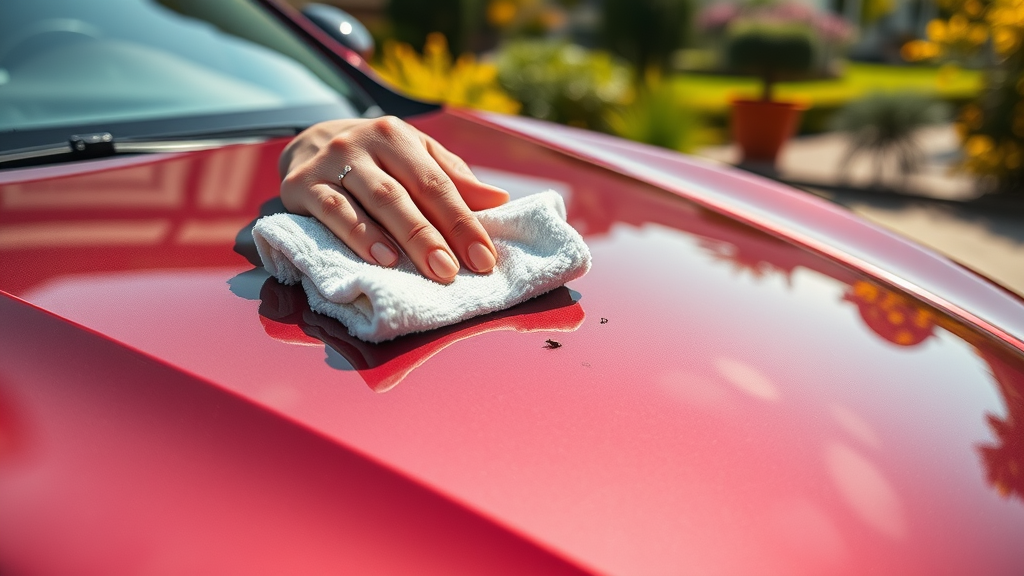
Swirl marks, bug stains, and bird droppings are inevitable hazards—if left untreated, they can etch into the ceramic coat. Approach spot cleaning with a gentle hand and a soft microfiber towel, using a lubricating quick detailer or ceramic-safe spray to dissolve the contaminants first. Never scrub vigorously; this can introduce scratches and swirl marks.
Working in small sections is key: address one stain at a time to avoid spreading residue. For embedded bugs or tar, soak a microfiber towel in warm water and lay it over the spot for several minutes before wiping away. Afterwards, re-inspect the area to ensure no marks are left behind.
Is iron remover safe for ceramic coated surfaces?
Many car owners worry about using iron removers on their ceramic coatings, but quality iron removers are typically safe when used as directed. These products dissolve brake dust and ferrous particles, which regular washing can’t touch. Always check the product label for compatibility, and avoid leaving the chemical on the coated surface for longer than necessary.
Bi-annual or quarterly use of iron removers can prevent embedded contaminants from causing pitting or undermining your coating’s hydrophobic abilities. Rinse thoroughly afterward, and always follow up with a complete wash and gentle dry using a microfiber towel.
| Name | Purpose | Frequency |
|---|---|---|
| pH-neutral Iron Remover | Removes brake dust & embedded iron particles | Every 3–6 months |
| Clay Bar / Clay Mitt | Eliminates bonded contaminants (tar, sap) | Twice a year |
| Ceramic Water Spot Remover | Clears mineral water spots | As needed |
| Quick Detail Spray | Spot-cleaning bird droppings, bug stains | Immediately as needed |
Seasonal and Annual Maintenance: Do Ceramic Coatings Need Yearly Care?
Inspection routines: Spotting issues on a ceramic coating early
Annual inspection is essential for long-lasting ceramic coatings. Look for signs of water spotting, dullness, or lost hydrophobic effect by observing how water beads on the surface. Tiny scratches, missed areas, or patches lacking shine should be addressed quickly with a rejuvenation spray or professional touch-up.
A thorough check every spring and fall helps spot damage from winter salt, harsh UV in summer, or unnoticed contaminants. Early detection and prompt correction ensure your coated car always displays maximum gloss and protection. Regular inspection routines can prevent the need for costly reapplications and keep the coating performing flawlessly for years.
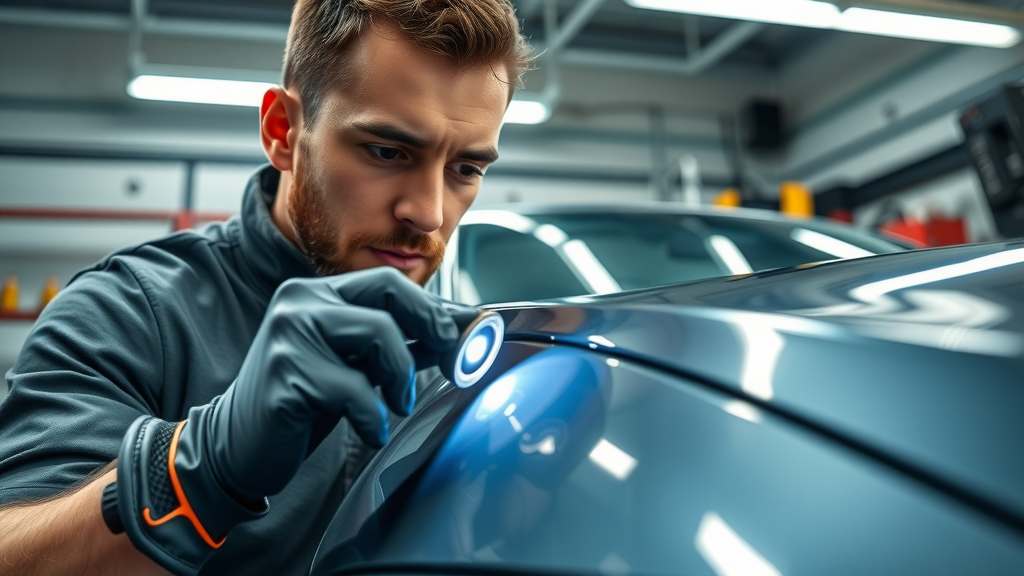
Rejuvenation: Top-up sprays and professional ceramic pro re-application
Even the best ceramic coatings benefit from periodic “booster” or “top-up” sprays designed to restore hydrophobic properties. Apply a designated ceramic topper every 3–6 months during routine washes, especially after decontamination sessions. These sprays reinforce your original ceramic coat, ensuring maximum protection and extending the time before a full reapplication is needed.
If your coating shows widespread failure, consider professional ceramic pro re-application. Reputable detailers can refresh high-wear areas or re-layer the entire car, restoring the “just coated” feel. Don’t confuse these with waxes—toppers are chemically compatible and specifically designed for ceramic coated vehicles.
The curing process: What to know post-maintenance
After any maintenance activity—especially applying a top-up coating or full re-application—the curing process is crucial. During the curing window (usually 24–48 hours), avoid exposure to water, bird droppings, or tree sap. Park in a sheltered area or use a car cover if possible. This ensures the protective layer fully bonds to your vehicle’s paint, maximizing durability and hydrophobic benefits.
Never use aggressive soaps or take your car through automatic car washes during this period. Patience with the curing process results in long-lasting shine and protection for your ceramic coated car.
Demonstration: Step-by-Step Routine for How to Maintain Ceramic CoatingWhat Can Destroy Your Ceramic Coating? Major Threats to a Coated Surface
Environmental hazards: Harsh chemicals, UV, and acid rain
Despite being tough, ceramic coatings are not immune to damage from harsh environmental elements. Acid rain, relentless UV rays, and exposure to industrial fallout can break down the coating layer, reducing its ability to bead water and block contaminants. Parking under trees also increases risk, as sap and bird droppings can etch through to the paint if not removed promptly.
Protect your coated car by washing regularly, parking in covered areas or garages, and avoiding long-term exposure to chemical pollutants. Immediate removal of bird droppings, bug stains, or tree sap is critical—otherwise, these contaminants can weaken and dull your car’s ceramic coat faster than you expect.

Improper washing methods and swirl marks
Many coating failures start with the wrong wash soap or technique. Using abrasive sponges, old towels, or running through automatic car washes can leave your ceramic surface riddled with scratches and swirl marks. These not only mar the finish, but create entry points for contaminants to breach the protective barrier.
Gentle, deliberate washing habits—like using fresh microfiber towels, a clean wash mitt, and pH-balanced soap—help keep your ceramic coating pristine. Avoid direct sunlight during washing, as heat can promote water spotting and make soapy residue harder to remove. Even after applying the most advanced ceramic coating, maintaining gentle care is crucial for maximum durability.
"Most ceramic coating failures start with using the wrong car soap or drying technique."
- Avoid abrasive sponges or towels
- Never use automatic brushes
- Steer clear of citrus-based or acidic cleaners
Wax Over Ceramic Coating: Should You Do It?
Is waxing necessary or harmful for ceramic coatings?
Applying wax over a ceramic coating is generally unnecessary and sometimes counterproductive. While wax won’t usually damage your ceramic coat, it can create a hazy appearance and mask the ultra-sharp hydrophobic effect that makes ceramic stands out. Wax doesn’t bond well to ceramic surfaces, plus modern coatings outshine wax in both protection and longevity.
If additional shine is your goal, consider a compatible ceramic topper spray rather than traditional wax. These products are designed to bond with existing coatings, enhance gloss, and rejuvenate water-beading benefits without interfering with the original layer’s chemical structure.
Expert perspectives on layering protection over ceramics
Professional detailers agree: while a light layer of wax won’t hurt, it’s better to reinforce your protection with ceramic pro toppers or boosters. Experts recommend avoiding products with heavy solvents, abrasive cleaners, or harsh additives, as these can degrade the ceramic coat over time.
For long-term maintenance, stick to manufacturer-recommended products or have your coated vehicle serviced by a qualified ceramic pro. Layering incompatible protection—like greasy waxes—can compromise appearance and performance more than enhance it.
| Product | Pros | Cons |
|---|---|---|
| Wax | Adds temporary gloss, may fill minor scratches | Does not bond to ceramic, may reduce hydrophobic effect, attracts dust |
| Ceramic Topper Spray | Reinforces ceramic protection, boosts hydrophobicity, compatible with coating | Slight additional cost, needs periodic re-application |
Top Dos and Don’ts: How to Maintain Ceramic Coating
- Do use dedicated car soap and gentle tools
- Don’t wash in direct sunlight
- Do dry with plush microfiber towels
- Don’t let bird droppings sit on a coated surface
Expert Interview: Common Ceramic Coating Mistakes & How to Avoid Them
Ceramic Coat Upkeep FAQs
How can I make my ceramic coating last longer?
To extend the life of your ceramic coating, commit to regular, gentle washing with pH-neutral car soap and a microfiber wash mitt. Avoid automatic car washes, dry with plush microfiber towels, and immediately remove contaminants like bird droppings or tree sap. Periodically top-up with a ceramic-friendly spray, deep-clean every 3–6 months, and schedule annual inspections to catch early wear.
What destroys ceramic coating?
Improper washing (e.g., automatic brushes, harsh towels), neglecting contaminants, using acidic or citrus-based cleaners, and frequent exposure to harsh environmental factors (UV, acid rain, industrial fallout) can degrade your ceramic coating. Failing to maintain and replenish the protective layer will also shorten its effective lifespan.
Does ceramic coating need yearly maintenance?
Yes! Annual maintenance is recommended for coated vehicles. This includes deep decontamination, detailed inspection, possible spot-rejuvenation, and applying a ceramic topper. Routine upkeep ensures the coating maintains its hydrophobic properties and preserves the pristine look of your coated surface.
Are you supposed to wax over ceramic coating?
You don’t have to, and it’s typically not recommended. Modern ceramic coatings outperform wax on shine, protection, and durability. For extra gloss, opt for a ceramic topper spray specifically designed for your coated car instead of traditional wax.
Key Takeaways: How to Maintain Ceramic Coating on Your Coated Vehicle
- Proper care is essential for ceramic coated surfaces
- Routine gentle washing extends coating lifespan
- Avoid harsh chemicals and automatic car washes
- Periodic inspections safeguard your investment
Conclusion: Maintain Your Ceramic Coating Like a True Pro
"A little extra care today guarantees brilliance tomorrow for your ceramic coated car."
Ready for Pro Results?
Keeping your ceramic coated car shining isn’t difficult when you know the right techniques and products. For a professional finish that lasts—and peace of mind—follow these guidelines and schedule regular care. Call us today at 714-726-5161 for a pro consultation or to book your next ceramic coat maintenance service!




Write A Comment