 Add Row
  Add
Add 


Hook: Ever wondered why your ceramic coated car doesn’t shine as brilliantly after a regular wash, or why swirl marks start to appear even when you think you’re being gentle? The truth is, ceramic coating washing techniques are very different from traditional car washes, and getting them right makes all the difference in paint protection, gloss, and longevity.
Unlocking the Secrets of Ceramic Coating Washing Techniques
When it comes to maintaining the hydrophobic properties and high-gloss finish of your ceramic coated vehicle, using proper ceramic coating washing techniques is critical. The unique structure of ceramic coatings offers protection that’s susceptible to hard water spots, swirl marks, and premature breakdown if the wash process isn’t adapted. Many car enthusiasts and owners invest in ceramic coatings expecting ultimate paint protection, and while these products are exceptional, improper washing methods can quickly compromise results. In this article, you’ll discover exactly why specialized techniques matter, which tools protect your valued investment, and how to prevent the common errors that shorten coating life and mar your car’s showroom shine.
- Why specialized ceramic coating washing techniques matter for your coated car’s longevity
- Comprehensive steps for a flawless car wash without damaging ceramic coatings
- Common mistakes to avoid that can compromise your ceramic coat
- Recommended tools: from pressure washers to wash mitts
Understanding Ceramic Coat and Its Unique Car Wash Needs
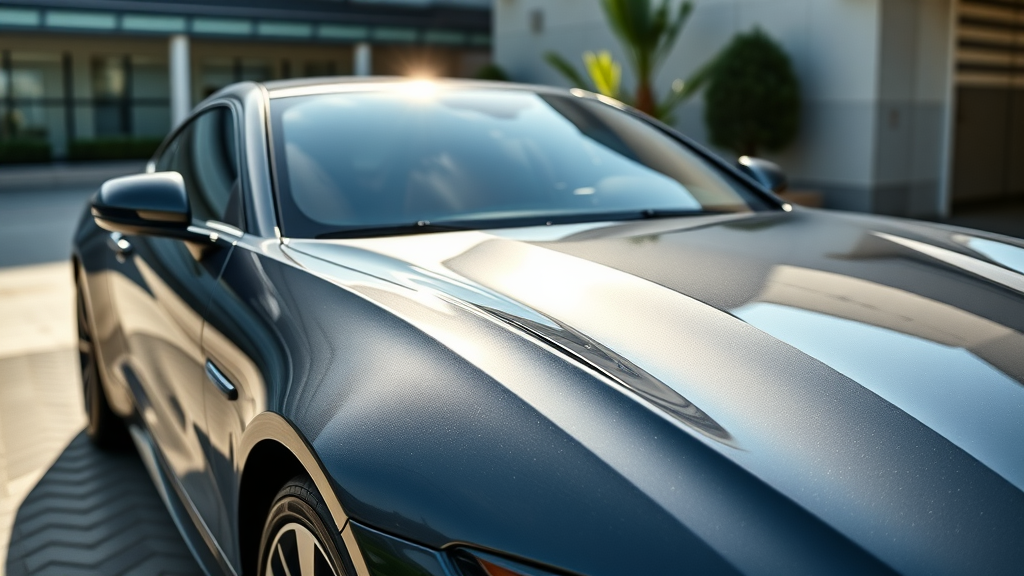
Proper care begins with understanding what a ceramic coating is and why it requires a specific approach to every car wash. Unlike standard waxes or sealants, these advanced coatings form a semi-permanent, high-gloss, hydrophobic barrier on your vehicle’s clear coat, protecting it against dirt, bird droppings, tree sap, and water spots. However, the strength of this protective layer can be undermined by harsh chemicals, dirty wash mitts, or high-pressure car washes not suited for coated surfaces. So, how does washing change for owners of ceramic coated vehicles—and why is it so crucial to get it right?
What is a Ceramic Coating and How Does It Protect Your Vehicle?
A ceramic coating is a liquid polymer that, once applied to your car’s paint, chemically bonds to the surface, creating a robust layer that offers outstanding protection against contaminants, UV rays, and environmental damage. Unlike wax, which sits on top of the paint, the ceramic coat integrates with the clear coat for long-lasting results. This integration means the coated car benefits from advanced hydrophobic properties—water, dirt, and grime bead up and slide off, reducing the risk of water spots and making car care easier. The protective layer also adds shine, locks in deep gloss, and helps resist swirl marks when proper ceramic coating washing techniques are followed.
Key Differences Between Washing a Coated Car and a Non-Coated Car
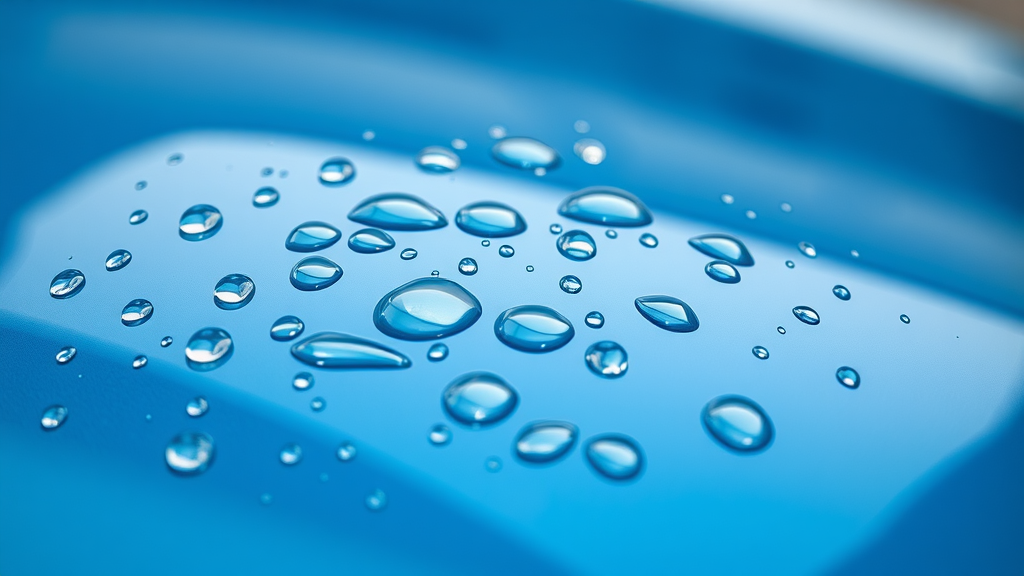
The most noticeable difference lies in how you approach cleaning a ceramic coated versus a non-coated car. With traditional car paint, aggressive wash soaps or brushes may be used to remove stubborn dirt. In contrast, a ceramic coated vehicle requires pH-neutral car wash soaps and soft microfiber wash mitts to ensure the protective coating remains intact. Regular car washes can strip away protection and introduce swirl marks, whereas ceramic coatings are highly susceptible to breakdown if exposed to harsh chemicals or abrasive washing. Additionally, the pressure washer setting for a ceramic coated car must be properly controlled, as too high a force can damage both the coating and underlying paint protection.
How Ceramic Coated Paint Protection Changes Your Car Wash Routine
Ceramic coatings alter your washing routine significantly. The coating’s hydrophobic properties mean less dirt adheres to the surface, so rinsing with a pressure washer often removes a majority of contaminants. Unlike traditional waxed cars, these coated surfaces are easier to keep clean but require precision when washing. You’ll need special tools—such as grit guards, two-bucket systems, and non-abrasive towels—to ensure no hard particles or abrasive materials cause scratches or swirl marks. These changes help preserve the ceramic coat’s integrity, maintain paint protection, and keep your coated vehicle’s finish showroom-perfect for years.
Essential Tools and Products for Ceramic Coating Washing Techniques
To master ceramic coating washing techniques, it is crucial to gather the right tools. Not all cleaning accessories are created equal—using a standard sponge or a dirty towel can damage your ceramic coat, while the wrong soap or pressure setting may degrade its hydrophobic effectiveness. The following recommendations cover must-have items for anyone serious about car care and paint protection for their ceramic coated vehicle.
Recommended Wash Mitts and Why They Matter
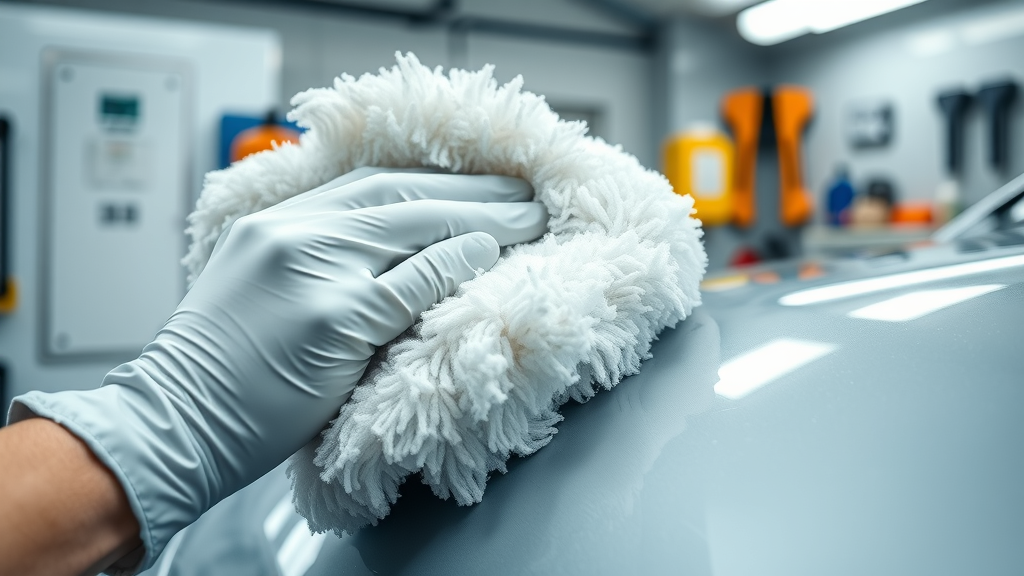
Soft microfiber wash mitts are essential for any car equipped with a ceramic coat. Unlike sponges or brushes, a microfiber wash mitt gently lifts dirt and debris from the coated surface without scratching or introducing swirl marks. The many fine fibers ensure even the smallest particles are captured and lifted away from the paint, dramatically reducing the risk of marring. Investing in a high-quality wash mitt, and replacing it frequently, guarantees you protect not only the paint but the ceramic coating’s protective layer. When washing ceramic coated vehicles, always rinse your wash mitt in a separate bucket with grit guards to avoid re-depositing dirt onto the surface.
Selecting a Pressure Washer and Proper PSI for Coated Vehicles
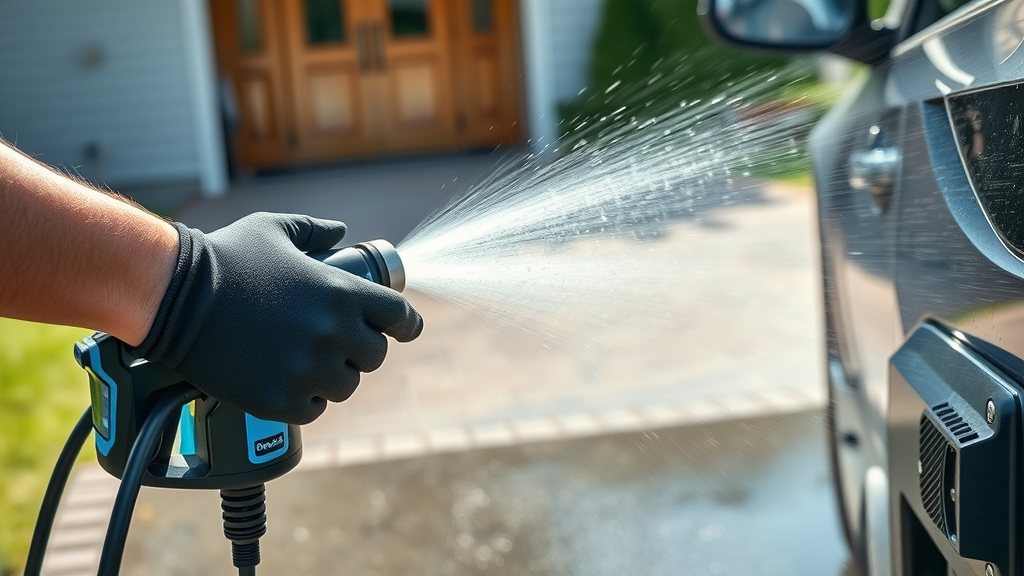
The right pressure washer can make ceramic car wash sessions both efficient and safe. For coated vehicles, it’s recommended to use an electric pressure washer tuned between 1200–1900 PSI—sufficient to remove dirt and grime but gentle on the protective ceramic coat. High pressures beyond this can chip away at coatings and even harm the clear coat underneath. Modern electric units offer adjustable settings, allowing you to fine-tune for gentle rinsing. Always keep the nozzle at least 12 inches from the coated surface and avoid direct stream on edges or sensitive trim. This prevents accidental lifting or etching of your coating while maintaining a clean and glossy finish.
The Importance of Using pH-Neutral, Non-Harsh Chemicals
One of the most common causes of premature ceramic coating failure is the use of harsh chemicals during car wash routines. Many off-the-shelf car wash soaps contain degreasers or strong alkalis that strip away the ceramic’s hydrophobic layer, leaving your coated vehicle vulnerable to water spots, dirt, and swirl marks. Always select pH-neutral car wash soaps specifically designed for ceramic coatings. These gentle formulas preserve the integrity of the ceramic coat and help maintain its slick, glossy finish. In addition, avoid strong detergents, bug and tar removers, or wheel cleaners unless labeled as safe for ceramic coated surfaces.
Which Car Wash Soaps Are Safe for Ceramic Coatings
Not every car wash soap on the shelf is a friend to your ceramic coatings. To keep the coated surface free from residue build-up and maintain the paint protection, look for products clearly labeled as “ceramic safe,” “pH-neutral,” or “for ceramic coated vehicles.” These wash soaps are formulated to remove dirt and grime without breaking down the hydrophobic layer of your ceramic coat. Popular choices include specially formulated ceramic car wash soaps and hybrid detailers that enhance the protective properties of your coating, preserving not only shine but also long-term protection against bird droppings, tree sap, and contaminants. Always follow manufacturer instructions for dilution and avoid mixing products.
- Soft microfiber wash mitt
- High-quality foam cannon
- Two-bucket system
- Grit guards and soft drying towels
Step-By-Step Guide: The Ultimate Ceramic Coating Washing Techniques
Washing a ceramic coated car is more than a routine—it’s a process that preserves your investment and keeps paint looking flawless year-round. By following an established sequence with the right tools and methods, you’ll reduce the risk of swirl marks, keep contaminants away, and make routine washes a breeze. Here’s how to perfect your ceramic coating washing techniques step-by-step.
Pre-Wash: Safe Rinsing with a Pressure Washer
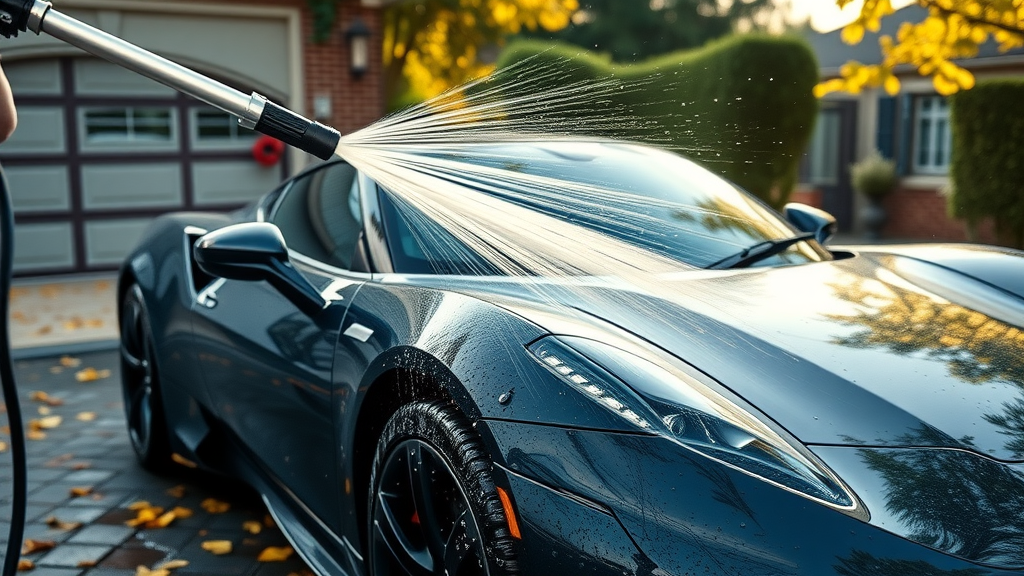
The first step is a thorough pre-rinse with a pressure washer. This removes loose dirt and debris before any contact wash. Set your pressure washer to 1200–1900 PSI and maintain a safe 12-inch distance to avoid damaging your ceramic coat. Begin at the roof and work your way down, ensuring all panels are saturated. This gentle but effective rinse minimizes the risk of grinding dirt into your coated car’s finish, thus preventing swirl marks from the very start. Avoid using fan nozzles with an aggressive spray pattern, and instead opt for wider, softer jets that efficiently clear surfaces.
Applying Snow Foam for Advanced Ceramic Coated Car Cleansing
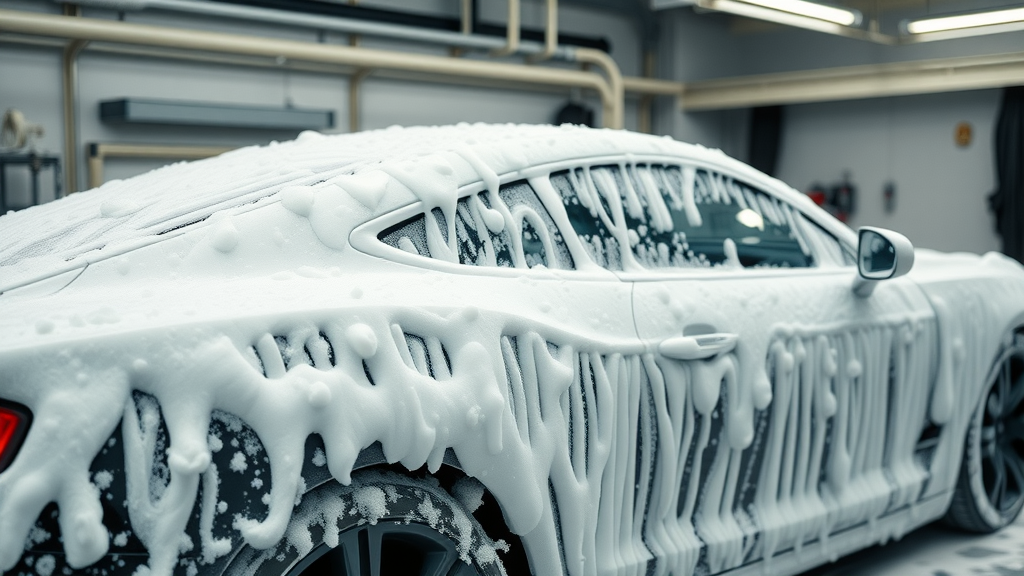
Follow the rinse with thick snow foam application using a high-quality foam cannon. This step is vital for encapsulating residual dirt, dust, and contaminants on your ceramic coated vehicle. Allow the foam to dwell for several minutes—don’t let it dry—breaking down sticky residue and lubricating the coated surface for safer hand washing. The foaming process also visually demonstrates the coating’s hydrophobic effect, with beading water droplets revealing areas where the ceramic coat remains intact. Choose a snow foam specifically designed for ceramic coatings to ensure compatibility with your car’s protective layer.
Gentle Hand Washing: Techniques to Prevent Swirl Marks
After letting the foam loosen contaminants, gently wash the car using a microfiber wash mitt and the two-bucket method—one for soapy water, and one for rinsing the mitt. The microfibers safely lift and trap remaining particles, and the rinse bucket (with grit guard) ensures dirt isn’t transferred back onto the paint. Always wash from top to bottom, using straight lines rather than circular motions to prevent swirl marks. Never use high-pressure or abrasive sponges, and rinse your mitt frequently. For heavy contaminants like bird droppings or tree sap, soak the area with wash soap before gently wiping it with a soft mitt or towel.
Rinsing and Drying Without Risking the Ceramic Coat
Final rinsing should always use clean, filtered water and a gentle stream—either from your pressure washer (set low) or a hose with a soft nozzle. Avoid letting water dry on the coated surface to prevent water spots. Instead of chamois or rough towels, use a plush microfiber towel or a dedicated drying cloth. Pat dry rather than drag or rub to maintain the ceramic coating’s flawless shine and paint protection. If available, use filtered or deionized water for a spotless, streak-free finish.
| Step | Traditional Car Wash | Ceramic Coating Washing Techniques |
|---|---|---|
| Pre-Rinse | Standard hose, no pressure control | Pressure washer (1200–1900 PSI), maintain safe distance |
| Foam Application | Not always used | Thick snow foam, dwell for lubrication |
| Hand Wash | Sponge, circular motions, single bucket | Microfiber wash mitt, two-bucket system, straight lines |
| Rinse | Tap water, may leave water spots | Filtered/pressure washer rinse, quick before drying |
| Dry | Chamois, old towels, sometimes air dry | Soft microfiber drying towel, pat dry, no drag |
Common Mistakes That Can Destroy Ceramic Coating
Even with a premium ceramic coating, a single improper wash can introduce swirls, water spots, and compromise your car’s protective layer. Understanding what not to do is just as important as learning the right ceramic coating washing techniques. Let’s look closer at the pitfalls that owners must avoid to ensure their coated vehicle remains pristine.
Harsh Chemicals and Their Impact on Ceramic Coated Cars
Harsh chemicals found in generic car care or household cleaning products can drastically reduce your ceramic coat’s lifespan. Acidic or alkaline soaps, strong wheel cleaners, and degreasers strip away both the protective ceramic and, in severe cases, even the underlying clear coat. This leaves the painted surface susceptible to water spots, UV damage, and embedded contaminants. Always stick to products labeled as safe for ceramic coated vehicles to ensure the ceramic remains intact and the hydrophobic characteristics do not fade prematurely.
How Inadequate Car Wash Methods Lead to Swirl Marks
Improper wash techniques—like using dirty or rough sponges, skipping the pre-rinse, or washing in circular motions—cause swirl marks and fine scratches in your ceramic coated car’s finish. Even after applying a premium ceramic coat, failing to use the right washing methods can quickly dull the paint and erode the coating’s effectiveness. Always utilize a clean mitt, two-bucket method, and straight-line movements to keep the coated surface flawless. If swirl marks develop, they are often only removable by professional machine polishing, which may shorten coating durability.
Why Skipping Proper Rinse and Drying is Risky for Coated Vehicles
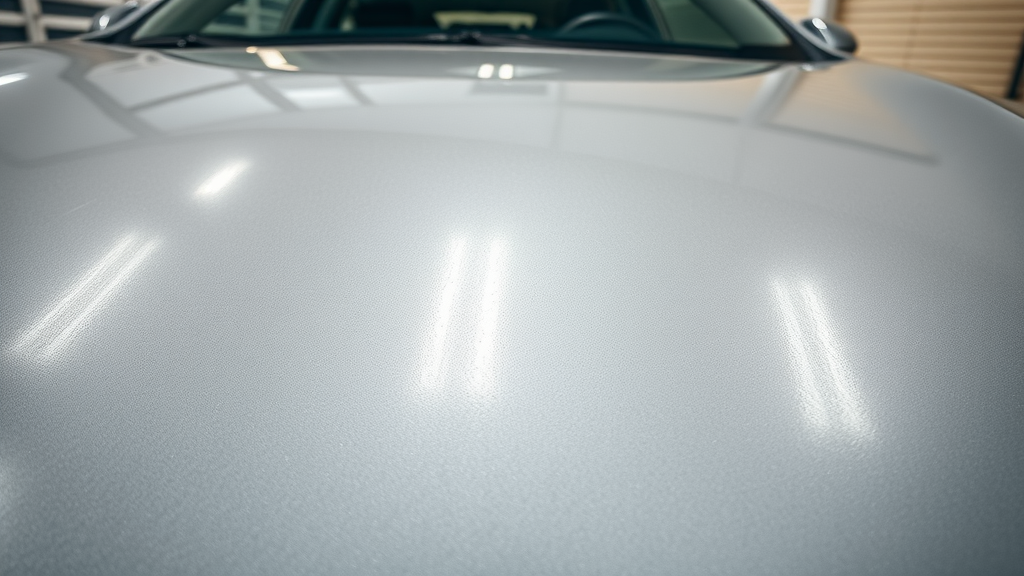
Some skip rinsing and drying steps, letting water evaporate naturally, only to find their ceramic coated surface afflicted by water spots and streaks. Hard water, left unchecked, deposits minerals onto the hydrophobic layer, leading to etching and permanent marks that no amount of car wash soap can remove. Proper rinsing and swift, gentle drying with a microfiber towel guarantee contaminants don’t linger, so your ceramic coated car retains that just-detailed look. Skipping these steps undoes all the benefits of advanced ceramic coating washing techniques.
"Meticulous washing is the greatest safeguard for ceramic coats, preserving their hydrophobic shine and protecting your automotive investment."
Pro Tips: Advanced Ceramic Coating Washing Techniques for Ultimate Paint Protection
For enthusiasts and professionals seeking maximum results, there are several advanced tips that take paint protection to the next level. From alternative washing methods to maintenance routines, these strategies keep your ceramic car’s coating performing at its best while preventing swirl marks, water spots, and unwanted wear.
When to Use a Waterless Wash on Ceramic Coatings
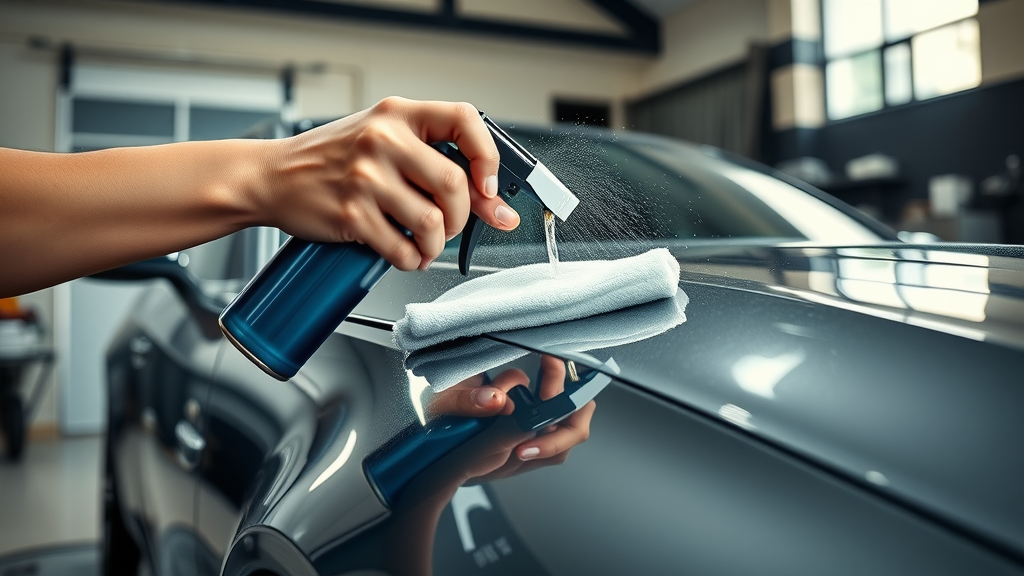
A waterless wash is an excellent option for lightly soiled, ceramic coated cars that just need a quick touch-up between major washes. Using a dedicated waterless wash spray and clean microfiber towels, you can safely remove dust and fingerprints without risking the ceramic coat’s hydrophobic properties. However, waterless washes are not a substitute for full washing after exposure to heavy dirt, salt, or contaminants—reserve them for quick detailing where minimal grit is present. Always choose ceramic-safe formulas, spray liberally, and replace towels as they get dirty.
How Frequently Should You Wash a Ceramic Coated Vehicle?
To keep your ceramic coated car looking flawless, a regular washing schedule is vital. Most experts recommend every two weeks for optimal results—frequent enough to remove contaminants before they have a chance to bond to the coating, but not so often that you risk unnecessary wear. Factors such as climate, driving conditions, and storage affect wash intervals. Be aware of pollen, bird droppings, or tree sap that may require spot cleaning between washes, and avoid letting contaminants sit on your ceramic coated surface for long.
Maintaining Your Ceramic Coat Beyond Washing
Beyond basic washing, extending the life of your ceramic coat requires routine inspections and protective habits. Regularly check for tar, sap, or industrial fallout, and carefully remove any stuck contaminants using ceramic safe products. Seasonal decontamination, occasional use of ceramic maintenance sprays, and storing your coated vehicle under shade or in a garage will prolong the hydrophobic effect and paint protection. Avoid automated car washes, never use abrasive sponges, and always inspect towels and mitts before use for trapped dirt or debris. Dedicated car care goes a long way in ensuring your ceramic coating remains like new.
- Avoid automated car washes
- Never use abrasive sponges or towels
- Store vehicle under shade whenever possible
- Perform routine inspections for contaminants
Comparing Results: Why Proper Ceramic Coating Washing Techniques Outperform Traditional Car Washes
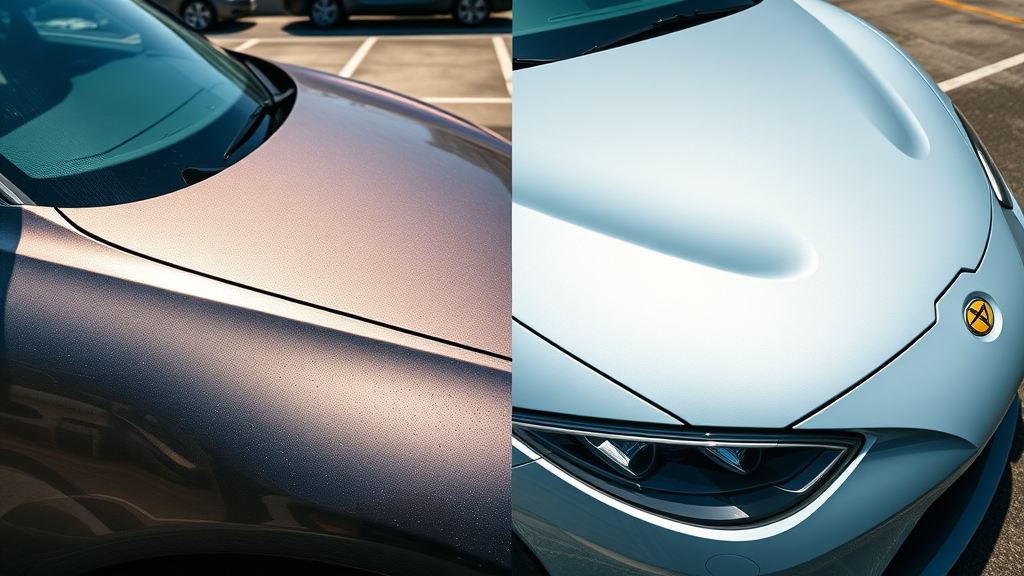
The difference between a meticulously washed ceramic coated car and a regularly washed, non-coated vehicle is clear. Not only does your paint maintain a mirror-like gloss, but the hydrophobic properties actively repel dirt, grime, and water spots. Let’s see how the benefits stack up when proper ceramic coating washing techniques are used versus traditional car care routines.
| Feature | Ceramic Coated Car (with Proper Techniques) | Non-Coated Car (Traditional Washes) |
|---|---|---|
| Gloss & Depth | Mirror-like, lasting brilliance | Fades quickly, susceptible to dullness |
| Water Beading | Outstanding hydrophobic properties, little water spotting | Poor beading, prone to water spots |
| Swirl Mark Resistance | Minimized with proper care, stays flawless | Swirl marks common, clear coat damage likely |
| Contaminant Resistance | Easy removal, less adherence of dirt and grime | Contaminants bond quickly, harder to clean |
People Also Ask: Everything About Ceramic Coating Washing Techniques
What is the best way to wash a ceramic coated car?
Answer: The best way to wash a ceramic coated car is a two-bucket hand wash using a soft microfiber wash mitt and pH-neutral soap. Rinse thoroughly with a pressure washer and gently dry with a soft towel to avoid swirl marks.
What destroys ceramic coating?
Answer: Harsh chemicals, abrasive materials, and improper washing techniques can destroy ceramic coating by breaking down the protective layer, leading to swirl marks and diminished paint protection.
What to avoid after ceramic coating?
Answer: Avoid automatic car washes, strong detergents, touching the coated paint with dirty towels or mitts, and exposing the vehicle to aggressive environmental contaminants.
How often should I wash my ceramic coated car?
Answer: A ceramic coated car should be washed every 2 weeks to maintain its hydrophobic properties and keep the coating free from contaminants.
FAQs: Ceramic Coating Washing Techniques and Car Wash Care
-
Can I use a drive-through car wash with ceramic coatings?
No. Automated car washes often use harsh brushes, soaps, or recycled water laden with abrasive particles that can scratch or damage your ceramic coat. Always opt for hand washes using the right tools. -
Do I need special shampoos for ceramic coated cars?
Yes. Use only pH-neutral wash shampoos designed to be gentle and compatible with ceramic coatings. These soap formulas maintain the hydrophobic and protective properties of your ceramic coat. -
How do I remove bird droppings or tree sap from a ceramic coat?
Spot treat contaminants by soaking the affected area with wash soap and a microfiber towel, allowing it to soften before gently lifting away. Never scrub vigorously, and use ceramic-safe products. -
Is clay bar treatment safe for ceramic coated vehicles?
Generally, clay bars are not recommended unless absolutely necessary, as they can abrade the coating. If decontamination is needed, choose a mild, ceramic-safe clay and lubricate liberally with detailing spray. -
Should I apply a maintenance spray after each wash?
Applying a ceramic maintenance spray or detailer is recommended after each wash to enhance gloss, hydrophobic properties, and reinforce paint protection. Always use products compatible with your ceramic coat.
Key Takeaways: Mastering Ceramic Coating Washing Techniques
- Ceramic coating washing techniques are essential for preserving paint protection.
- Always use pH-neutral products and soft wash mitts to avoid swirl marks.
- Routine and proper maintenance extends the life of your coated car.
- Avoid harsh chemicals and car washes that compromise ceramic coatings.
Conclusion: Elevate Your Vehicle’s Shine with Proper Ceramic Coating Washing Techniques




Write A Comment