 Add Row
  Add
Add 


Have you ever wondered whether your beloved car truly receives the protection it deserves—or if traditional wax is actually holding it back? With the evolution of car care, the debate between ceramic coating vs wax has taken center stage. Gone are the days when a simple wax coat was the pinnacle of paint protection. Today, car enthusiasts—and even daily drivers—are questioning if ceramic coatings deliver longer-lasting, more impressive results. In this article, we challenge everything you know about car protection and reveal the real secrets behind these industry favorites, helping you make an informed choice that suits your vehicle and your lifestyle.
Are You Still Relying on Wax? The Real Story Behind Ceramic Coating vs Wax
If you’re still depending solely on a traditional wax coat to preserve your car’s appearance, it’s time to reconsider. The conversation around ceramic coating vs wax isn’t just about shine; it’s about lasting protection , hydrophobic properties , and making every detail of your car count. For years, waxing has been the tried-and-true method for defending painted surfaces from environmental contaminants, UV rays, and the rigors of routine car wash visits. However, ceramic coatings are now challenging wax’s supremacy, promising a longer-lasting, more robust shield, and a stunning, easy-to-clean finish that revolutionizes car care.
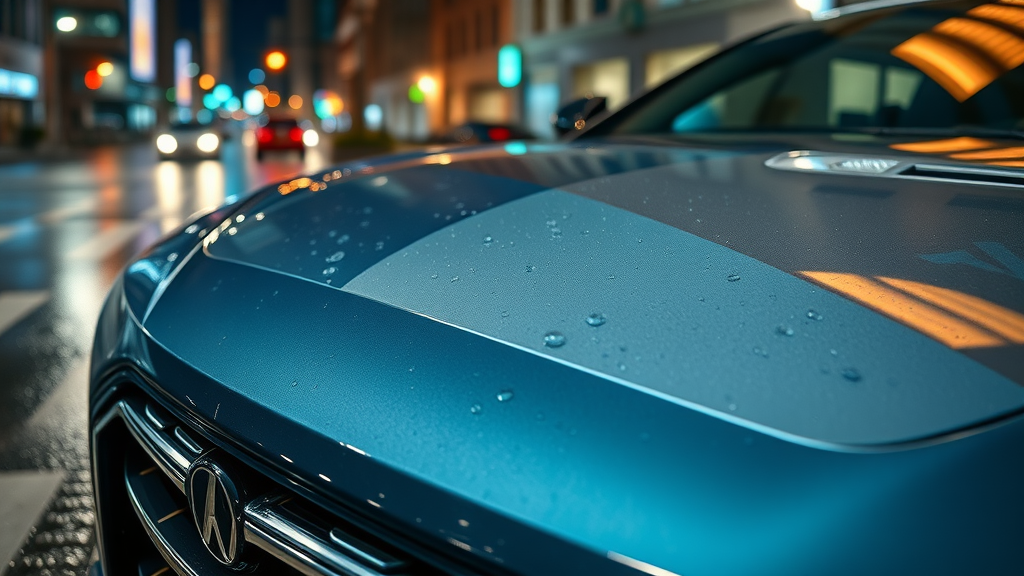
Imagine pulling out of your driveway after a rain shower and watching water droplets bead and roll off your hood as if repelled by magic. This is just one of the hallmarks of a properly applied ceramic coating. By contrast, traditional wax may give your car a warm glow and a quick, cost-effective makeover, but does it stand up to months—or even years—without frequent reapplication? The answer, as you’ll discover, lies in the science and effectiveness of these two protective solutions. Let’s look beneath the surface to see what really separates ceramic coatings and wax when it comes to car protection.
Why This Debate Matters: Car Care, Value, and Lasting Protection
The decisions you make about car care don’t just affect your vehicle’s appearance—they determine the long-term value of your investment and the overall maintenance required to keep your car looking its best. The debate of ceramic coating vs wax goes far beyond aesthetics. It’s about factoring in protection against UV rays, bird droppings, acid rain, and daily wear, all while ensuring your car washes remain pain-free and your car retains its showroom shine year-round. The tougher the layer of protection, the more resilient your car will be against scratches, fading, and the relentless advance of environmental contaminants.
This isn’t only a matter of vanity; it impacts resale value, repair costs, and the energy you invest into vehicle upkeep. Modern paint protection methods, including hybrid solutions and advanced brands like ceramic pro or turtle wax ceramic , have complicated the choice for car owners. Should you go for DIY products, trust professional installers, or stick with what you know? In the following sections, we’ll demystify these choices—dispel myths, highlight unique selling points, and help you decide what’s truly best for your vehicle’s finish and your own peace of mind.
What you'll gain by understanding ceramic coating vs wax protection
- Improved knowledge on paint protection methods
- Ability to determine when to choose ceramic coatings or traditional wax
- Comparison insights for lasting protection and hydrophobic properties
- Myths dispelled about hybrid solutions, turtle wax, and ceramic pro options
Breaking Down the Basics: What Are Ceramic Coating and Wax Coating?
To appreciate the pros and cons of ceramic coating vs wax , it's vital to understand what sets them apart at a fundamental level. Both are designed to provide a protective layer over your car's painted surface, but their chemistry, application process, and durability are significantly different. While traditional waxes rely on natural or synthetic polymers to create a temporary shield, ceramic coatings form a semi-permanent chemical bond with your vehicle’s clear coat. The result? Varying levels of lasting protection, hydrophobic properties, and maintenance demands.
Car owners seeking the best for their vehicles often find themselves choosing between a quick, DIY-friendly wax coat and the more time-intensive, professional-grade ceramic coatings . Hybrid solutions—combining ceramic and wax technologies—also exist, aiming to deliver the best of both worlds. Still, confusion remains rampant about what actually delivers superior paint protection, especially in dealing with threats from UV rays, acid rain, and relentless bird droppings. Let’s break down each solution—including the latest wax and ceramic combinations—so you can make an educated decision for your car.
Ceramic coating – composition, application process, and hydrophobic properties
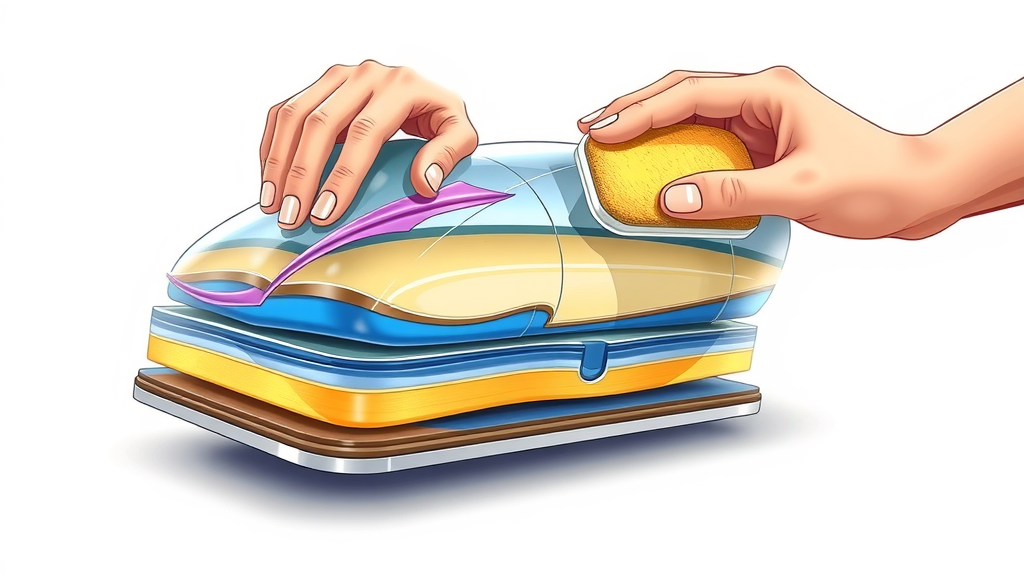
Ceramic coatings , made mainly from silicon dioxide (SiO2), are engineered to chemically bond with your car’s clear coat, forming a slick, ultra-durable protective layer. Professional and DIY ceramic coatings alike shield car paint from UV rays, road salts, and acidic contaminants, providing benefits that far exceed those of traditional wax. The application process generally starts with an intensive car wash and paint decontamination, followed by careful, even application with an applicator pad, then curing for several hours. This process creates hydrophobic properties that cause water, dirt, and grime to bead and roll off easily, minimizing maintenance and enhancing the painted surface’s shine.
With ceramic coatings, you gain a lasting protection —often up to five years—meaning fewer repeat applications and more time admiring your car’s brilliance. However, ceramic coatings also come with a higher cost and demand precision during application, especially if you aim for professional results. Still, their reputation for reducing the need for frequent car washes, repelling environmental contaminants, and preserving a showroom finish make them a favorite among car enthusiasts and those passionate about paint protection alike.
Traditional wax and wax coat – benefits, limitations, and evolution
Traditional waxes —such as carnauba wax and popular products like turtle wax —have long been celebrated for their ability to give cars a gentle, warm glow and quick, cost-effective protection. Wax coats are straightforward to apply: after a car wash, you spread the product evenly onto your car’s painted surface with an applicator or cloth, wait a few minutes, then buff to a shine. For most drivers, this simplicity offers a routine boost in appearance and helps repel water and minor contaminants for several weeks to a few months.
However, the limitations of wax coating become apparent when faced with intense sun, rainfall, road grime, and frequent car washes. This protective layer sits on top of your car’s clear coat and slowly degrades under UV exposure, requiring regular reapplications to maintain effectiveness. While wax coats hold their charm for seasonal care and are perfect for DIY-friendly car maintenance, advances in car care have spurred the development of hybrid solutions —combining wax and ceramic ingredients—designed to offer more robust, lasting protection without abandoning the ease of traditional products.
| Feature | Ceramic Coating | Wax Coating |
|---|---|---|
| Durability | Up to 5 years | 1-3 months |
| Hydrophobic Properties | Superior | Moderate |
| Maintenance Effort | Low | Moderate |
| Application Difficulty | Moderate/Professional | Easy/DIY |
| Cost | High | Low |
Protection Showdown: Which Offers the Better Paint Protection—Ceramic Coatings or Traditional Wax?
When it comes to the ultimate paint protection , the battle of ceramic coating vs wax centers on long-term defense and real-world performance. The science behind ceramic coatings gives them a clear advantage for those seeking durable results. The chemical bond formed by ceramic creates a hard, transparent shield over your car’s painted surface—an armor that’s highly resistant to UV rays, bird droppings, harsh chemicals, and the abrasives found in many car washes. This lasting protection reduces oxidation, staining, and micro-scratches, setting them apart from even the best wax and ceramic hybrids.
This doesn’t mean wax coats don’t have their merits. For drivers who want immediate results, appreciate a tactile car care experience, and don't mind frequent reapplications, wax remains a solid choice. However, traditional waxes provide only a temporary barrier—a sacrificial protective layer that sacrifices itself to keep your clear coat safe in the short term. If your vehicle sees heavy use as a daily driver, or if you want a solution that handles environmental contaminants and UV rays with ease, ceramic coatings outshine wax in retaining gloss and minimizing routine upkeep.
The science of lasting protection: How ceramic coating forms a layer of protection
Ceramic coatings work in harmony with your vehicle’s clear coat by establishing a chemical bond that is both strong and flexible. This bond creates a dense, smooth surface that naturally repels water, dirt, and road grime while forming a formidable layer of protection against physical and chemical attacks. Advanced ceramic pro products often contain nano-ceramic particles that seal microscopic pores in your car’s paint, further enhancing the hydrophobic properties and reducing the spread of bird droppings or other contaminants. This technology ensures lasting protection that consistently outperforms wax.
Owners of professionally ceramic coated vehicles report fewer swirl marks after each car wash, a decrease in sun-induced fading, and far fewer incidents of stubborn stains or etching from acidic pollutants. The surface energy of a ceramic coating is designed to repel water so thoroughly that maintenance becomes effortless—simply rinse, and you’ll see debris slide off, restoring that glossy, showroom finish. For those who take pride in long-term car care, the science behind ceramic coatings is both reassuring and impressive.
Wax coating realities: What turtle wax and traditional wax can (and cannot) do
Wax coatings —be they classic turtle wax , carnauba-based products, or the latest spray wax formulas—play a crucial role in affordable, accessible paint protection. These coatings add depth and a “warm glow” to your vehicle’s color, masking minor imperfections and serving effectively as a quick fix before car shows or seasonal changes. For cars with an older clear coat or for owners who prefer to make every detailing session count , wax can still offer meaningful benefits.
The main challenge with any wax, though, is its limited shelf life and vulnerability to environmental contaminants. Frequent car washes, sun exposure, and ongoing driving quickly erode the wax, leaving your painted surface unprotected much sooner than with a ceramic—or even hybrid—solution. Wax, unlike a true paint sealant or ceramic coating, doesn’t bond chemically with paint; it sits atop the clear coat, ready to be removed by nature’s next challenge. Nonetheless, wax remains an essential part of car care for those who value routine touch-ups or seek a solution for older, well-loved vehicles.
Key Differences Between Ceramic Coating, Wax, and Hybrid Solutions
Hybrid solutions: Are they the best of both worlds?
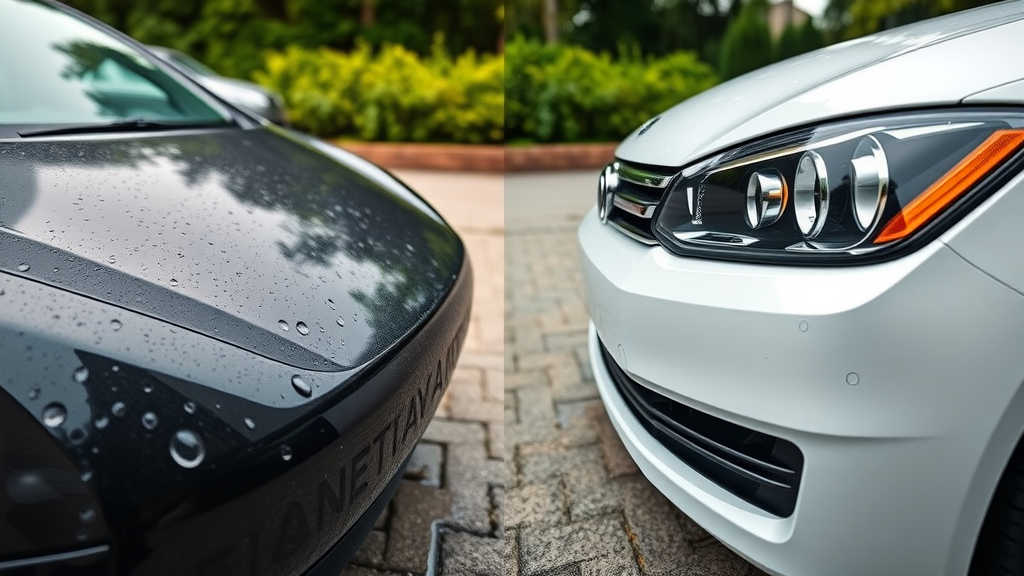
Hybrid solutions are gaining traction among car owners who want to harness the benefits of both ceramic and wax technologies. Typically, these products blend silicon dioxide (for ceramic durability) with carnauba wax or synthetic polymers (for shine and ease of use). The resulting hybrid coating promises superior water repellency, improved UV protection, and a “just-waxed” finish that lasts longer than standard wax, but without the heavy investment or skill level required for full ceramic coatings.
Hybrid solutions, whether marketed as spray wax with ceramic or as hybrid solutions pro, often tempt those DIY enthusiasts who desire user-friendly application and good all-round performance. However, while these products raise the bar compared to traditional waxes, they still generally fall short of the full longevity and protective qualities of pure ceramic coatings. For those who are after a middle ground—better than wax, but without the cost or commitment of pro-grade ceramic—hybrid solutions offer a solid compromise worth considering.
Ceramic pro vs turtle wax: Brand perspectives and their unique selling points
Ceramic Pro and Turtle Wax represent two sides of the paint protection spectrum. Ceramic Pro positions itself as a high-end, professional solution, promising industry-leading chemical bonds and warranty-backed durability for drivers seeking the ultimate, hands-off layer of protection. When installed by certified professionals, Ceramic Pro’s suite can last years, ensuring extreme hydrophobic properties, impressive gloss, and robust defense against UV rays, chemical stains, and bird droppings.
Turtle Wax , on the other hand, is beloved for its accessibility and versatility. Its newer ceramic hybrid lines bring a modern twist to the legacy of the brand, embedding SiO2 technology within easy-to-use spray waxes and instant-detailer formulas. Whether you’re a daily driver or prepping for a weekend road trip, Turtle Wax offers budget-friendly, effective options that provide a rapid boost in shine and short-term water repellency. Each brand addresses a unique audience, yet both contribute valuable advances to the ongoing evolution of car care.
"After using both ceramic coatings and waxing for years, I witnessed firsthand the dramatic reduction in maintenance and superior shine provided by ceramic coating."
Real-World Experiences: Owner Opinions on Ceramic Coating vs Wax
Delving into owner testimonials reveals an intriguing split between advocates for ceramic coatings and fans of wax coat solutions. Professional detailers often prefer ceramic coatings for their unbeatable levels of paint protection, hydrophobic properties, and easy long-term maintenance. They frequently cite minimal effort required to keep a car looking pristine, regardless of daily use or environmental exposure. The ability to repel water and resist bird droppings, tree sap, and even light scratches keeps enthusiasts loyal to ceramic products.
On the flip side, DIY enthusiasts appreciate the accessibility and affordability of wax coating. For many, the relaxation and satisfaction of a regular car wash and wax routine can’t be matched. There’s also a real sense of achievement in maintaining that classic warm glow, especially for cars with vintage appeal or for those who relish hands-on car care. Ultimately, driver lifestyle and intended use often dictate which approach—ceramic, wax, or even hybrid—is the most fulfilling and practical.
Meanwhile, long-term car owners frequently report that while wax coats offer immediate aesthetics and gratification, ceramic coatings deliver true value over time. This is vital for anyone who intends to keep their vehicle for years, or aims to maintain top resale value by keeping the paint and clear coat in near-perfect condition with minimal intervention.
- Detailers on paint protection and hydrophobic properties
- DIY enthusiasts comparing application ease and results
- Long-term car owners reflecting on value and maintenance
People Also Ask: Is a ceramic coating better than wax?
Examining the claims: Lasting protection and user expectations
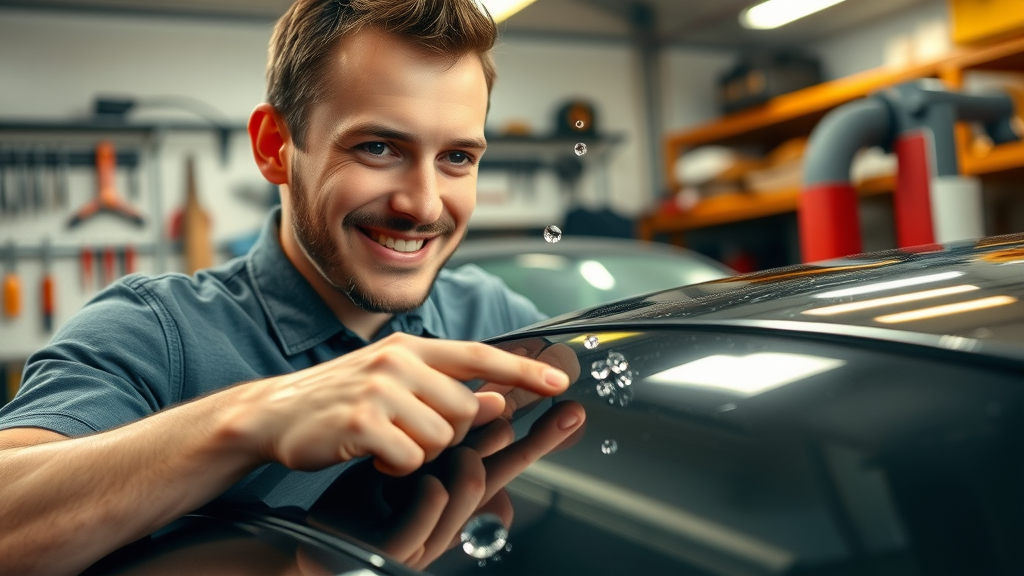
The most asked question in the ceramic coating vs wax debate is simply: is ceramic coating better than wax? For most drivers seeking lasting protection , the answer is a strong yes. Ceramic coatings offer a more permanent layer of defense—one that resists chemical damage, UV rays, and routine environmental contaminants, delivering consistent hydrophobic properties and easier cleaning. Users report that they clean their cars less often, encounter fewer minor scratches, and enjoy a deep-gloss finish for years, not just months. However, traditional wax remains a convenient, budget-friendly option for those who value hands-on car care and don’t mind regular touch-ups. Ultimately, user expectations and usage patterns will determine which solution feels “better” for any given vehicle owner.
People Also Ask: What are the disadvantages of ceramic coating?
Cost, complexity, and limitations explained
Despite its many advantages, ceramic coating is not without drawbacks. The higher upfront cost —especially for professional-level ceramic pro packages—can be a deterrent. Application also requires attention to detail and experience; improperly prepped surfaces or rushed applications can lead to streaks, high spots, or even damage to your clear coat. While ceramic coatings provide a formidable defense for years, they are not impervious to deep scratches or negligence. Furthermore, they rarely mask minor imperfections in the paint, and when they need to be reapplied, full removal is often recommended by professionals. Selecting between ceramic coating vs wax means weighing these limitations against their unmatched real-world performance.
It’s also worth noting that some insurance and warranty providers may have mixed views on ceramic coatings, especially DIY or non-professional installations. Always check manufacturer guidelines and policy details for peace of mind before committing to this protective layer.
People Also Ask: Should you wax or ceramic first?
Correct order of application for optimal layer of protection
When considering both wax and ceramic coating, layering order matters . Ceramic coating should always be applied directly to a clean, decontaminated painted surface, forming a chemical bond with the clear coat. Wax can be layered on top of a fully cured ceramic coating for additional gloss or a temporary boost—but never the other way around. Applying wax first would prevent the ceramic coating from bonding properly, drastically reducing its effectiveness. If you’re interested in hybrid solutions, follow manufacturer recommendations precisely to avoid compatibility issues and maximize both shine and protection.
People Also Ask: Can I do ceramic coating myself?
DIY ceramic coatings vs professional ceramic coating installation
The rise of consumer-friendly DIY ceramic coatings has opened up new possibilities for enthusiasts and budget-conscious car owners. These products are generally easier to apply and less expensive, though their performance and lifespan may fall short of professional-grade ceramic pro packages. While a careful DIYer can achieve solid results with patience and correct surface prep, specialized tools, and a controlled environment, ultimate durability and finish often still favor professional installation. For those seeking the longest-lasting results and peace of mind, investing in a trained professional can be well worth the extra cost. Always balance your desired outcome, experience level, and budget when deciding how to proceed.
Step-by-step visual demonstration of applying ceramic coating and traditional wax to a car surface, including surface preparation, product application, and water repellency test.
Lists: Top Reasons to Choose Ceramic Coatings or Wax Coating for Your Vehicle
-
Top 5 Advantages of Ceramic Coating
- Long-lasting protection
- Superior hydrophobic properties
- Enhanced paint protection
- Minimal maintenance required
- Professional appearance
-
Top 5 Scenarios Where Wax Coating Shines
- Budget-friendly car care
- Quick seasonal protection
- DIY-friendly application
- Accessible everywhere
- Great for older vehicles
FAQs on Ceramic Coating vs Wax
-
How often should I reapply each?
Wax coatings generally need reapplication every 1-3 months, especially after frequent washes or harsh weather. Ceramic coatings, when properly applied, can last from 2 to 5 years before requiring professional assessment or reapplication. -
Do turtle wax and hybrid solutions offer long-term benefits?
Turtle wax hybrid and similar solutions do enhance water repellency and gloss compared to regular wax. However, their lasting protection is still limited compared to pro-level ceramics, usually lasting weeks to months. -
Can ceramic coatings void insurance or warranties?
In most cases, ceramic coatings do not void manufacturer warranties or insurance policies—particularly if applied professionally. DIY applications should always conform to policy conditions to avoid potential issues. -
Is professional ceramic pro coating worth the investment?
For those who value ultimate durability, minimal maintenance, and long-term paint protection, professional ceramic pro coatings can be well worth the higher upfront cost.
Making Your Decision: When to Choose Ceramic Coating or Wax for Your Vehicle
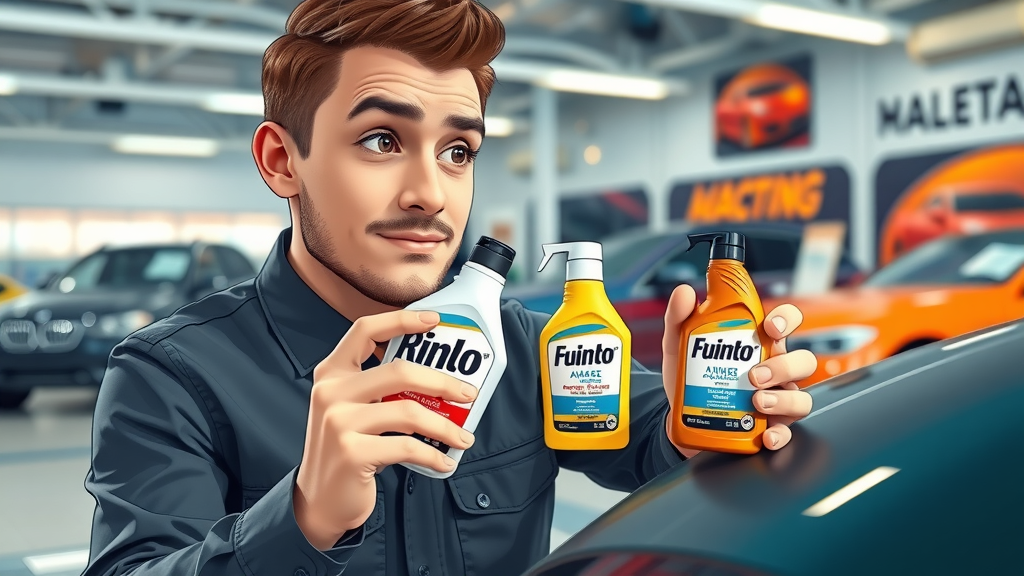
Weighing the costs, benefits, and lifestyle factors for optimal protection
To decide between ceramic coating vs wax , consider your driving habits, budget, and willingness to maintain your vehicle regularly. If you’re looking for the lowest possible maintenance and the best defense against environmental hazards, ceramic coatings are unmatched. Conversely, if you find car care relaxing, want a budget-friendly option, or own an older vehicle, wax coats still hold their charm. Hybrid products meet many in the middle—delivering much of the convenience of wax with some of the resilience of ceramics. There’s no wrong answer—only the one that matches your commitment and expectations for your car’s look and longevity.
"Your vehicle is an investment—give it the layer of protection that suits your dedication and daily needs."
Your Next Move in the Ceramic Coating vs Wax Journey
Ready to elevate your car's defense? Explore professional ceramic coating or superior wax alternatives now.
Take action —evaluate your needs, research local detailers, or test out a hybrid coating for yourself. Whether you choose the ultimate luxury of ceramic protection or the classic method of waxing, making an informed decision will ensure your car shines bright for miles to come.
Conclusion: Choose ceramic coating for minimal maintenance and lasting protection, or select wax for hands-on, affordable care—your car’s future brilliance is just a decision away.
Sources
- Clean Cars: Ceramic vs Wax Comparison
- Autogeek Online: Car Detailing Science
- Turtle Wax: Innovative Car Care Solutions
- Ceramic Pro: Professional Protective Coatings
- Car Detailing: FAQs on Wax and Ceramic Coatings
When considering the best protection for your vehicle’s paint, it’s essential to understand the differences between ceramic coatings and traditional waxes. Ceramic coatings are liquid polymers that chemically bond with the vehicle’s paint, forming a durable, semi-permanent layer that offers superior protection against environmental hazards. They provide long-lasting defense against UV rays, chemical stains, and minor scratches, with a lifespan ranging from 2 to 5 years. Additionally, their hydrophobic properties make cleaning easier by repelling water and dirt. ( gtechniq.com )
In contrast, traditional waxes, typically made from natural carnauba or synthetic polymers, create a temporary protective layer on the paint’s surface. While they enhance the vehicle’s shine and offer some protection against UV rays and contaminants, their effectiveness diminishes within a few weeks to months, necessitating frequent reapplication. Wax is more susceptible to degradation from heat and harsh weather conditions, making it less durable compared to ceramic coatings. ( houstonpaintprotection.com )
In summary, ceramic coatings offer a more robust and long-lasting solution for paint protection, albeit at a higher initial cost and with a more complex application process. Traditional waxes, while more affordable and easier to apply, require regular maintenance and provide less comprehensive protection. Your choice should align with your priorities, budget, and desired level of protection for your vehicle.



Write A Comment