 Add Row
  Add
Add 


Have you ever wondered if ceramic coating scratch resistance lives up to the hype—or is it just another overpromised miracle for your car’s paint? With countless videos, bold marketing claims, and word-of-mouth praise, the lines are blurred between reality and myth. If you’re considering a ceramic coating for your vehicle or simply want to keep your car’s paint looking flawless, this guide uncovers everything you truly need to know. Let’s separate the facts from fiction and help you make an informed decision about your car’s protection.
Opening Inquiry: Is Ceramic Coating Scratch Resistance Truly Effective?
"Many believe ceramic coatings are a magic armor for your car's paint, but how much protection do they really provide against scratches?"
The promise of ceramic coating is alluring for car owners: a high-gloss finish, effortless cleaning, and, most importantly, robust scratch resistance. But is it everything it claims to be? While these coatings provide a measurable boost in defending against minor scratches and swirl marks—especially compared to a standard clear coat—they are not an invisible shield. Scratches from improper washing, rough friction, or falling debris are still possible. However, in daily life, ceramic coatings can delay the onset of superficial paint damage, making routine car care easier and prolonging paint correction cycles. For car owners seeking the best balance between shine, resilience, and long-term protection, understanding the true limits and strengths of ceramic coating scratch resistance is essential.
What You'll Learn About Ceramic Coating Scratch Resistance
- Core facts about ceramic coating scratch resistance
- The truth behind claims about ceramic coat durability
- Comparisons between ceramic coatings and other protection methods like clear coat and paint protection film
- Expert opinions and real-world scenarios
- Practical advice for maximizing paint protection
Defining Ceramic Coating Scratch Resistance: My Take
What Does Scratch Resistance Mean for Ceramic Coating?
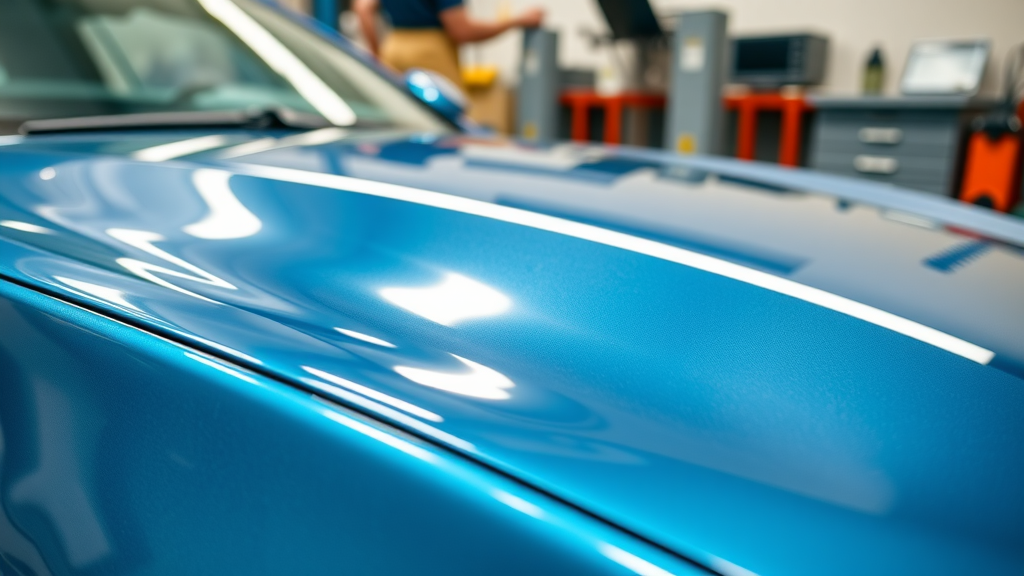
Scratch resistance in the context of ceramic coating refers to the surface’s ability to withstand physical abrasion before the paint beneath is compromised. Unlike traditional clear coats that provide a soft protective layer, a professional-grade ceramic coat creates a harder, hydrophobic layer that resists light scratches and swirl marks. Yet it’s important to understand that “resistant” does not equal “scratch-proof.” Everyday hazards—like brushes, keys, or even improper car washing—can still leave their mark. However, having this extra coating slows the rate at which your paint surface acquires minor scratches, making it especially beneficial when paired with proper care and regular paint correction. For car owners, this means less frequent touch-ups and better preservation of that showroom gloss.
Nevertheless, ceramic coatings offer a real improvement over standard factory protection. When applied correctly, they provide protection not only against small scratches but also environmental threats like UV rays and chemical etching. Still, a single strong impact, such as a rock chip, can easily defeat any layer of ceramic. Hence, understanding where the coating excels—and where it falls short—prevents false confidence and ensures your expectations remain realistic.
Ceramic Coat versus Clear Coat: Strengths and Gaps
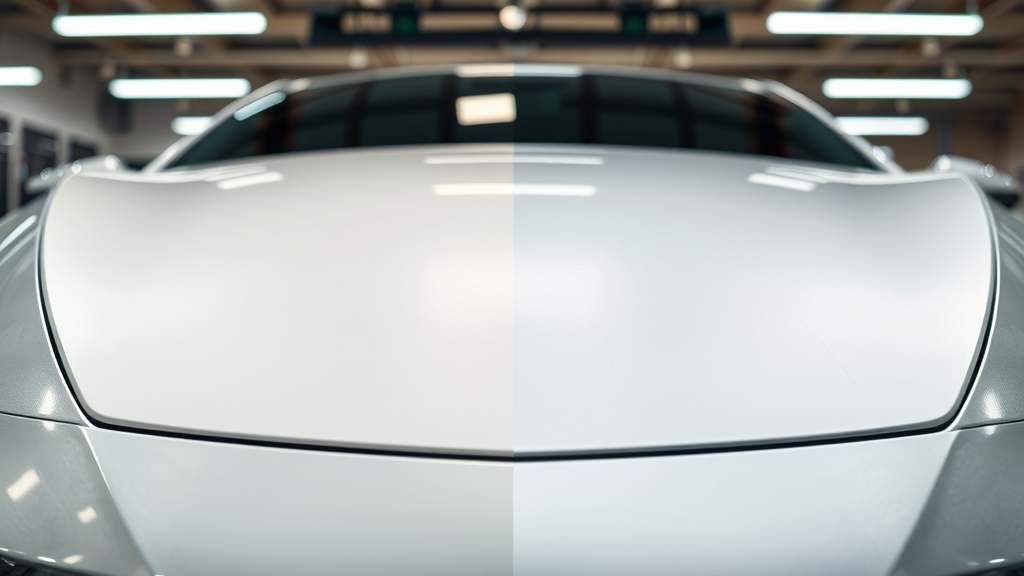
Comparing ceramic coating and clear coat highlights distinct differences in scratch resistance and durability. The clear coat is the standard protective finish applied at the factory, providing some resistance against the environment but remaining soft and vulnerable to minor scratches, swirl marks, and etching from bird droppings or bug splatter. In contrast, a professionally-applied ceramic coat forms a semi-permanent, glassy shell over the clear coat. This increases surface hardness, making the paint less susceptible to small scratches from day-to-day wear.
Still, there are important gaps. While a ceramic coat has more robust scratch resistance compared to standard clear coats, it cannot prevent damage from rock chips or deep abrasions. Serious impacts will penetrate both layers. Therefore, while ceramic coatings are excellent for repelling light scratches, their real value comes from working in harmony with other protective measures and proper washing techniques.
Breaking Down Ceramic Coatings: Claims vs. Reality
Understanding the Science Behind Ceramic Coating Scratch Resistance
"Ceramic coatings offer remarkable hydrophobicity, but their resistance to scratches has definite limits."
The secret behind ceramic coating scratch resistance lies in the chemistry of the product. Most ceramic coatings use silicon dioxide (SiO2) to form a nano-scale shield that bonds with the clear coat. This shield is significantly harder than factory paint finishes, typically scoring a 9H on the pencil hardness scale, which reflects improved resistance to light scratches, chemical stains, and UV rays. Yet, the science is clear: the hardness rating doesn’t mean invincibility. Physical impacts and repeated abrasion will still break through, especially with improper car care or exposure to rock chips.
Where these coatings excel is in reducing the frequency and severity of superficial blemishes. Their water-repellent properties make washing easier, thereby preventing many swirl marks caused by friction and contaminants. A ceramic coat acts as a sacrificial layer—absorbing everyday wear while shielding the underlying paint surface. However, it’s vital to remember that any coating, even at a 9H hardness rating, won’t stop the sharp edge of a key or a flying stone on the highway.
What Manufacturers Say About Ceramic Coatings
Manufacturers promote ceramic coatings as the gold standard in automotive paint protection, often highlighting their scratch resistance and durability lasting up to five years or more. The marketing suggests near-impenetrable protection—images of water beading, bottles rolling off hoods, and cars glistening like jewels. While these benefits are very real, the claims about scratch resistance sometimes gloss over the practical limitations. Manufacturers are quick to note that their ceramic coatings provide a significant upgrade over clear coat and even some grade ceramic products found in retail stores.
Still, experts and seasoned car detailers know that no product can prevent all types of scratches and swirl marks. Responsible manufacturers often include disclaimers about proper maintenance and the need for regular paint correction to maintain the coating’s benefits. The bottom line? The effectiveness of ceramic coating scratch resistance depends on the quality of both the product and the application process.
My Experience: Everyday Scratches and Ceramic Coat Performance
After years of working with both amateur and professional ceramic coatings, my experience echoes both the strengths and the limitations of these products. When applied after a thorough paint correction, the difference in scratch resistance is apparent: car washes that once left visible swirl marks are far less likely to mar the finish. Light run-ins with shopping carts or accidental brushing with a coat sleeve rarely leave a mark.
However, life on the road is unpredictable. A single rock chip while cruising the highway, or a rough winter filled with sand and salt, can defeat even the best-applied ceramic coat. The coating makes it easier to wash off contaminants, keeps the car looking newer for longer, and preserves that deep, reflective shine. But every car owner should know: if you expect magic armor, you’ll be let down. If you want a real-world defensive barrier with sensible limits, you’ll be pleasantly surprised by how much easier your car is to maintain.

Comparing Ceramic Coating, Paint Protection Film, and Clear Coat
| Protection Type | Best For | Longevity | Scratch Resistance |
|---|---|---|---|
| Ceramic Coating | Light Surface Protection | 2-5 Years | Moderate |
| Paint Protection Film | Rock Chips and Major Scratches | 5-10 Years | High |
| Clear Coat | Base Paint Protection | Permanently (with maintenance) | Low-Moderate |
Ceramic coatings and paint protection film (PPF) differ significantly in their approach to paint protection and scratch resistance. As seen above, ceramic coatings excel at repelling water, blocking UV rays, and simplifying cleaning—all contributing to reduced minor scratches. However, when it comes to defending against rock chips or deep abrasions, paint protection film is the undisputed champion. This film absorbs impacts, stopping sharp objects before they reach your paint surface.
Your car’s clear coat is durable with proper care, but it suffers more easily from swirl marks and chemical etching. For car owners who want an informed decision about paint protection, combining these layers—clear coat, ceramic, and PPF—offers the best defense, especially with regular paint correction and proper washing techniques.
Paint Correction and Ceramic Coatings: A Crucial Connection
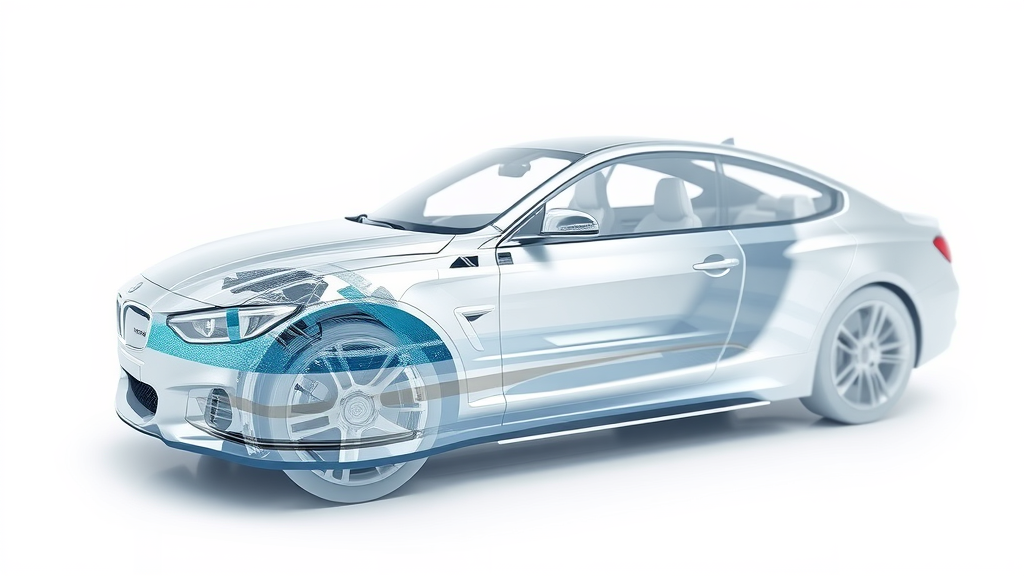
Paint correction is the cornerstone of maximizing ceramic coating scratch resistance. Any imperfections—scratches, oxidation, or swirl marks—locked under the coating remain preserved, often enhanced by the increased clarity and gloss. A professional paint correction before applying a ceramic coat ensures that the final finish is not only flawless but also that your investment in protection isn’t diluted by hidden defects.
Many car owners skip this step to save on cost or time, only to find that the coating does not “heal” or hide scratches. Instead, a properly-prepped surface, free of contaminants and with an even gloss, delivers maximum effectiveness from the coating. In this way, paint correction and ceramic coatings go hand-in-hand for meaningful, long-lasting results.
Layering Protection: Should You Combine Ceramic Coat with Protection Film?
An increasingly popular strategy is to apply paint protection film to high-impact areas—such as hoods, bumpers, and fenders—followed by a ceramic coat over the entire car. This approach leverages the scratch resistance and impact absorption of PPF and the self-cleaning, UV-blocking, and hydrophobic benefits of ceramic coatings. Together, they address both major and minor scratches, as well as environmental threats.
For car owners wanting the absolute best in paint protection, this layered approach ensures peace of mind and reduces both maintenance needs and out-of-pocket repairs in the long run. Just remember: proper installation of both layers, along with regular upkeep, is key to lasting protection.
Common Myths About Ceramic Coating Scratch Resistance
- Ceramic coatings are not scratch-proof
- No coating can stop all rock chips
- Paint correction is still required
- Scratches can still occur from improper washing
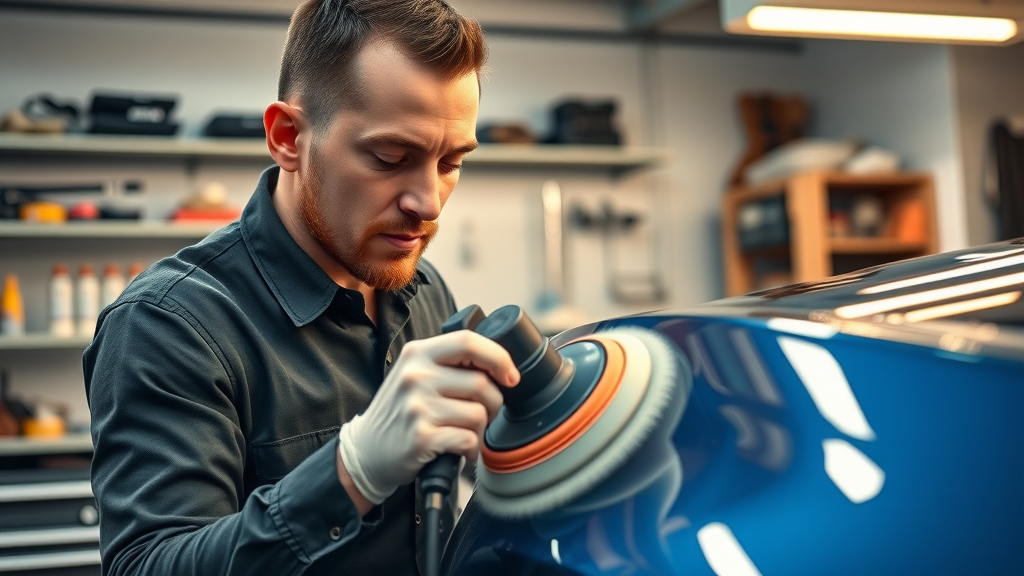
The internet is filled with misconceptions about ceramic coating scratch resistance. One common myth is that a ceramic coat makes your car invulnerable. No coating, regardless of marketing, can make your paint scratch-proof. Even with professional paint correction and careful application, deep impacts and improper washing (using dirty sponges or abrasive brushes) can still cause damage. Believing that ceramic coatings can replace the need for routine care is a fast track to disappointment and costly repairs.
It’s also vital to remember that paint correction is a requirement—not an option—before any ceramic product goes on. Skipping this step only seals in imperfections, reducing the effectiveness and appearance of your ceramic coat. Educated car owners are more likely to understand not only how but why ceramic coatings work, allowing them to avoid these costly myths and maximize their investment in true paint protection.
Can Ceramic Coatings Replace Paint Protection Film?
While ceramic coatings provide an impressive level of scratch resistance, they are not a true substitute for paint protection film. The film is thicker, more flexible, and designed to absorb and dissipate the impact from road debris, rock chips, and serious scratches. Ceramic coatings, on the other hand, are best for surface-level protection and maintaining gloss. The optimal solution? Use PPF where impacts are most likely (front end, mirrors, door edges), then apply a ceramic coat over the whole vehicle for all-around defense. That way, you get the benefits of both: maximum impact resistance and long-term, effortless shine.
If your main concern is everyday wear, such as bird droppings, swirl marks, or minor scratches, then ceramic coating may be all you need. But for car owners with highways, harsh weather, or gravel roads in their daily routines, paint protection film remains indispensable. True paint protection is about knowing your needs—and not cutting corners.

Everyday Factors Affecting Ceramic Coating Scratch Resistance
Rock Chips and Minor Scratches: Real-World Ceramic Coating Performance
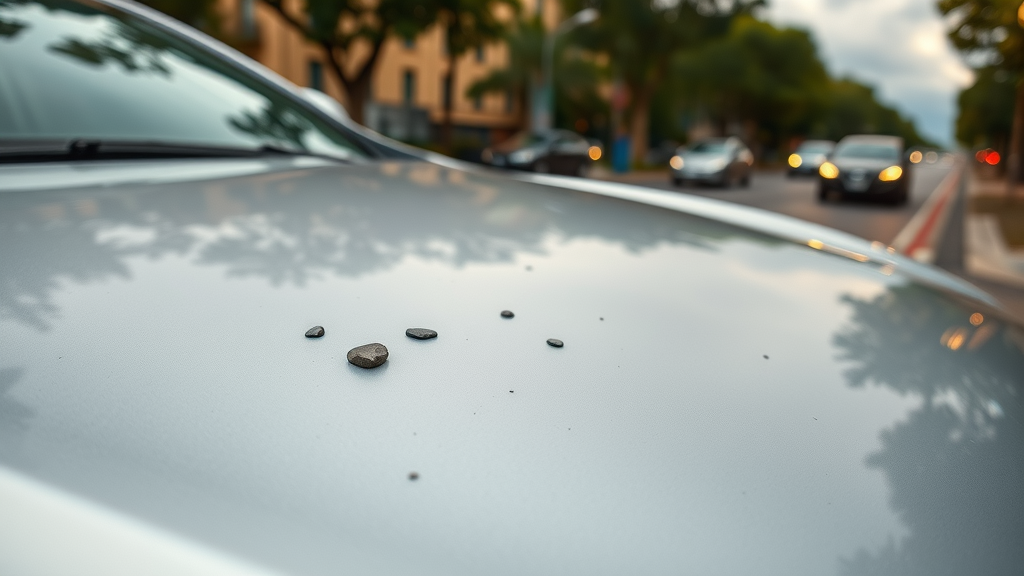
In practice, ceramic coating scratch resistance faces constant tests—from loose debris to accidental bumps in crowded parking lots. While the coating handles minor scratches and friction much better than untreated paint, it can’t always deflect the harshest threats. Rock chips, for example, can puncture through even the toughest ceramic coat, especially at highway speeds. That said, on everyday errands—pushing a grocery cart, brushing against a branch, or surviving light contact with clothing—the coating often prevents superficial marks from etching into the surface.
The key advantage for car owners is that light scratches are less likely, and many marks that do occur are confined to the coating layer, which can often be repaired or topped up during regular maintenance cycles. Still, no ceramic coating can guarantee freedom from deep scratches—only a multi-layered approach that includes paint protection film provides that level of peace of mind.
Environmental Hazards: Bird Droppings, Tree Sap, and Dust
Environmental contaminants are a common source of surface marring. Ceramic coatings excel at repelling water, oils, and chemical deposits, keeping tree sap, bird droppings, and road grime from bonding tightly to the paint surface. This doesn’t just make your car easier to clean; it minimizes the risk of swirl marks and minor scratches caused by scrubbing away hardened contaminants.
Still, extended exposure to corrosive waste or stubborn sap can etch through even a professional-grade ceramic coat. Timely removal, combined with regular washing and the correct detailing products, is essential. By resisting stains and making contaminants slide off, the coating acts as an effective bridge between daily hazards and your car’s precious finish.
Importance of Proper Washing to Maintain Ceramic Coat Protection
Even the best ceramic coating scratch resistance is compromised by improper washing. Dirty wash mitts, brushes with stiff bristles, or a lack of lubrication can all create swirl marks and light scratches that cut through the coating. The best approach is to use the two-bucket method, gentle microfiber towels, and pH-neutral soaps specifically designed for coated vehicles.
Regular, gentle cleaning ensures contaminants are removed without generating friction. Many professional detailers recommend a quick touch-up with a ceramic booster product after each wash to maintain both shine and protection. Over the long haul, these simple habits do more to prolong the benefits of a ceramic coat than any amount of marketing promises ever could.
Professional Insights: Ceramic Coating Application and Paint Correction
"Proper surface preparation delivers maximum performance from ceramic coatings—paint correction is always recommended before application."
Why Paint Correction is Essential Before Applying Ceramic Coat
Applying a ceramic coating without paint correction is like sealing a window with dirt on the glass—you lock in imperfections, letting them haunt your car’s appearance for years. Paint correction removes swirl marks, oxidation, and existing minor scratches, restoring the paint surface to its optimal clarity. This clear, defect-free foundation is vital for a flawless ceramic coat to properly bond and maximize its scratch resistance.
Many car owners skip this step to save money, but regret it once the coating highlights old imperfections underneath. In my professional opinion, combining paint correction with a quality ceramic coating is the only way to secure that mirror-like reflectivity, longevity, and true defense against future light scratches.
Pro Tips to Maximize Scratch Resistance with Ceramic Coatings
- Always perform a full paint correction before applying a ceramic coating
- Pair ceramic coatings with paint protection film for high-impact areas
- Stick to gentle washing—use microfiber towels, clean wash mitts, and pH-balanced soap
- Apply a ceramic booster or sealant after each wash for added endurance
- Inspect your surface regularly under strong light to spot issues early
Taking these steps ensures your ceramic coat delivers as much scratch resistance as possible, fights off swirl marks, and looks stunning even years after application.
Evaluating Scratch Resistance: Real Customer Stories and Experiences
-
Story 1: Light scratches after car wash
“Even after a quick run through an automatic wash, my ceramic coated car showed hardly any light scratches. I used to see lines and swirl marks instantly, but now, it's rare. Still, I noticed a tiny scratch from a misplaced zipper—proving the coating’s not invincible!” -
Story 2: Surviving rock chips on the highway
“My daily commute covers a lot of construction, so rock chips are my nightmare. The ceramic coat helped shed grime, but a few big chips still got through. It definitely helps, but nothing beats a good paint protection film on the front.” -
Story 3: How ceramic coat helped against minor scratches
“Our family minivan takes a beating from kids' bikes and shopping carts. The ceramic coating keeps 90% of minor scratches from sticking, letting me buff them out so easily compared to my uncoated car.”
People Also Ask: Your Top Ceramic Coating Scratch Resistance Questions
How easy is it to scratch ceramic coating?
Ceramic coating offers moderate scratch resistance, but can be marked by improper washing, harsh brushes, and significant abrasions. The coating forms a harder surface than clear coat, but is not impervious to scratches.
What is the downside to ceramic coating?
The main downsides include high initial cost, the need for professional installation, and the misconception that it offers complete protection from all scratches and rock chips.
How hard is it to scratch ceramic?
Ceramic coatings have high surface hardness, but everyday hazards like small rocks, keys, or improper washing techniques can still scratch them. They are more resistant than pure clear coats, but not scratch-proof.
Which coating is scratch proof?
No coating is 100% scratch proof. Paint protection films offer the highest scratch resistance, while ceramic coatings provide moderate resistance and clear coats offer the least.
Key Takeaways on Ceramic Coating Scratch Resistance
- Ceramic coatings improve scratch resistance but do not make vehicles scratch-proof
- Paint correction maximizes the effect of ceramic coat
- Paint protection film offers more robust defense against rock chips and severe scratches
- Regular, proper maintenance is critical for prolonging paint protection
FAQs: Ceramic Coating Scratch Resistance
-
Do ceramic coatings prevent all scratches?
No, they reduce the likelihood and severity of light scratches but can’t block deep scratches or prevent all rock chips. -
How do I maintain scratch resistance after ceramic coating?
Practice proper washing techniques, avoid harsh brushes, and use ceramic boosters to extend protection. -
Can ceramic coat be applied over paint protection film?
Yes, it enhances PPF with water repellency and easier cleaning, combining the best of both worlds. -
Is professional paint correction necessary before ceramic coating?
For best results, absolutely. It removes underlying defects, ensuring the coating bonds to a smooth, flawless surface. -
How long does ceramic coating scratch resistance last?
Professional coatings typically last 2–5 years, depending on maintenance, washing technique, and environmental exposure.
Conclusion: Is Ceramic Coating Scratch Resistance Worth It?
"Ceramic coatings offer a valuable layer of defense, but their scratch resistance has limits—choose the right protection based on your expectations and environment."
In summary, ceramic coating scratch resistance is real but not absolute. Combine it with paint protection film, regular care, and paint correction for complete peace of mind.




Write A Comment