 Add Row
  Add
Add 


Are you really protecting your car’s finish? Every day, your vehicle battles sun, rain, bird droppings, and countless contaminants that can eat away at its value and appearance. Many car owners trust washes and waxes, only to discover swirl marks, dullness, and faded paint a few months later. That’s why ceramic coating protection has become the new must-have defense for keeping your car looking showroom-fresh and shielding your investment for years to come. In this comprehensive guide, discover how ceramic coatings outperform traditional paint protection methods and how you can leverage this innovative technology for superior shine, durability, and lasting peace of mind.
Why Choose Ceramic Coating Protection for Your Vehicle?
Opening Hook: Are You Really Protecting Your Car’s Finish?
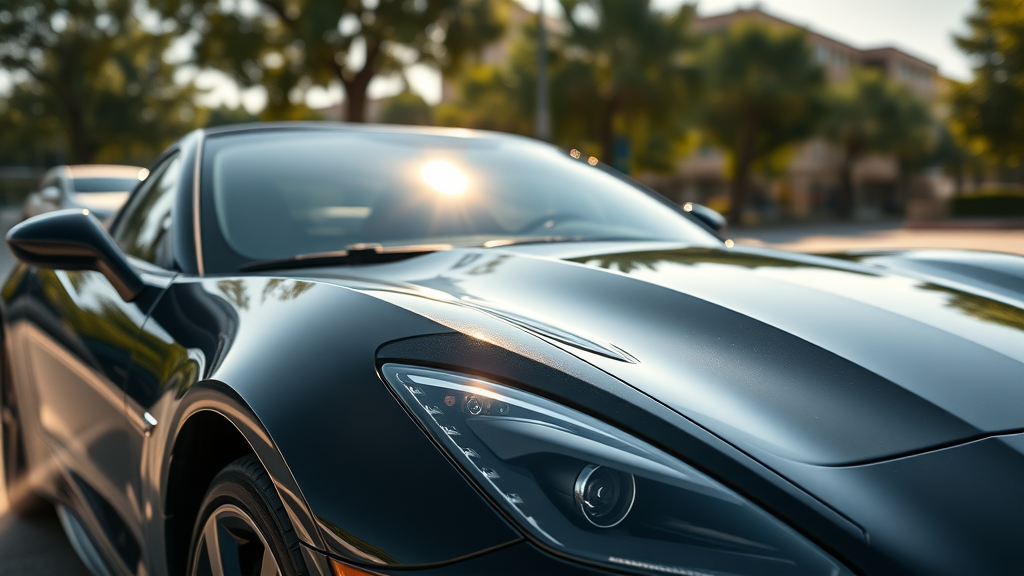
You might think a simple wax or the factory clear coat on your vehicle is enough to keep it looking flawless. However, the truth is that standard paint protection methods, including clear coats and waxes, often fall short against harsh UV rays, chemical stains, and tough road contaminants. Ceramic coating protection is showing car owners a revolutionary way to add an extra, robust layer of defense. Its advanced technology not only preserves the deep gloss and original paint job of your car, but also guards against threats like rock chips, swirl marks, and water spots.
When you invest in professional ceramic coating, your car’s paint enjoys unrivaled defense – so you spend less time worrying about regular maintenance or unsightly damage. Imagine water, mud, and bird droppings simply rolling off your ceramic-coated vehicle, leaving it spotless even after a sudden storm or a messy urban commute. That's the compelling edge ceramic coatings offer over conventional options like paint sealant, wax, or the manufacturer’s clear coat.
What You'll Learn About Ceramic Coating Protection
- The definition and science of ceramic coating protection
- Benefits and real-life impact on vehicle appearance and value
- How ceramic coating compares to other options like paint sealant and clear coat
- Expert advice for maintaining and maximizing ceramic coat longevity
- Answers to common questions about ceramic coatings
Understanding Ceramic Coating Protection: Science and Application
What is Ceramic Coating Protection?
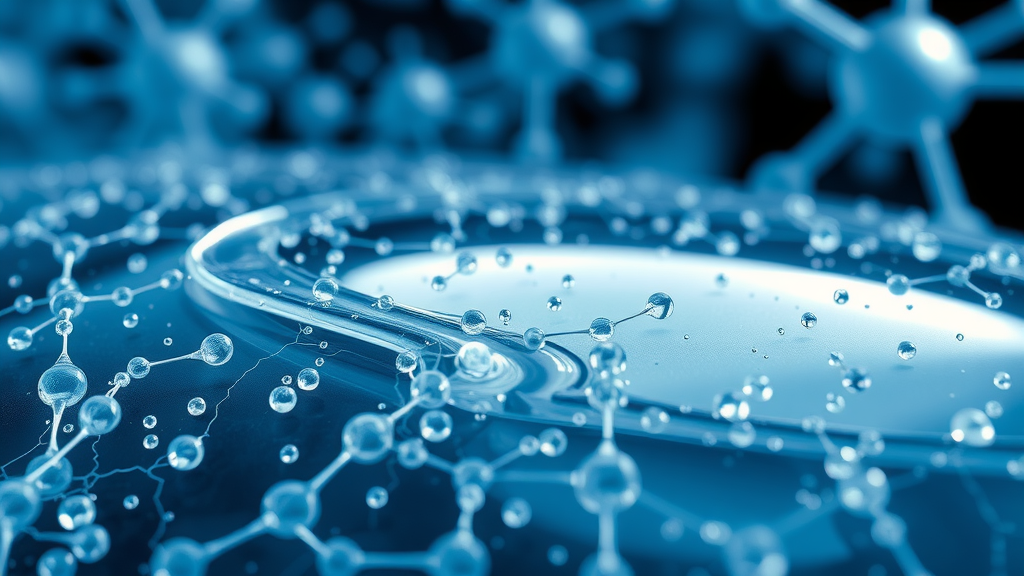
Ceramic coating protection is an advanced paint protection solution crafted from nano-ceramic particles (often silicon dioxide) that bond chemically with your vehicle’s paintwork. Unlike traditional wax or a basic clear coat, ceramic coatings create an ultra-thin, invisible barrier over your car paint that shields against contaminants and environmental hazards. This state-of-the-art technology leverages a chemical polymer solution that forms a semi-permanent bond, outlasting conventional paint sealants and waxes.
Once applied by hand by a trained technician, a ceramic coat turns your ordinary car paint into a high-gloss fortress, making it resistant to staining from tree sap, bird droppings, or harsh chemical stains. Its molecular structure leaves no surface pores exposed, significantly reducing the ability of water, dirt, and even UV rays to damage the surface – a huge advantage for car owners who want their investment to keep turning heads year after year.
How Does a Ceramic Coat Work?
The secret to the effectiveness of a ceramic coating lies in its chemical bond with your car’s original paint. When applied, the nano-particles in the ceramic coating form a hard, glass-like shell that becomes part of the paint itself. This creates a tough, hydrophobic protective layer that both repels water and resists bonding by contaminants like industrial fallout, tar, and mineral deposits.
This not only makes cleaning quick and easy, but also drastically reduces the risk of water spots, swirl marks, and fine scratches from regular washing. Moreover, ceramic coatings provide advanced protection against the sun’s UV rays, minimizing the risk of paint oxidation and fading while also enhancing the visual depth and gloss of your paint job. The result? Your car consistently looks like it’s just been detailed, all while staying safer from elements that typically degrade car paint.
The Difference Between Ceramic Coatings and Paint Sealants
While both ceramic coatings and paint sealants are used for car paint protection, they differ in composition, durability, and protective attributes. Paint sealants are typically made from synthetic polymers that offer a higher level of shine and water repellency than basic wax, but generally last just a few months. By comparison, ceramic coatings bond at a molecular level with automotive paint, creating a significantly longer-lasting, more resilient protective layer.
Ceramic coatings withstand harsher conditions—such as exposure to harsh chemicals, intense UV rays, and abrasive contaminants—better than any traditional paint sealant. They also outperform clear coat treatments by offering a harder, more impenetrable shield, which translates to fewer swirl marks, improved resistance to rock chips, and a lowered risk of fading or oxidation over time. This major upgrade in paint protection makes ceramic coating for car enthusiasts and everyday drivers alike a smart, future-forward choice.
| Feature | Ceramic Coating | Paint Sealant | Factory Clear Coat |
|---|---|---|---|
| Durability | 2–5+ years | 2–6 months | Lifelong (but vulnerable to damage) |
| Protection from Contaminants | Excellent | Good | Moderate |
| UV & Oxidation Defense | Superior | Good | Basic |
| Hydrophobic Properties | High (repels water & dirt) | Moderate | Minimal |
| Scratch/Swirl Mark Resistance | Strong | Low | Low |
| Maintenance | Easy | Frequent reapplication | Can degrade without protection |
| Gloss & Appearance | Deep, lasting gloss | High (short-term) | Original finish |
Key Benefits of Ceramic Coating Protection

Superior Defense Against Contaminants and UV Damage
One of the leading reasons car owners choose ceramic coating protection is its robust defense against everyday threats. The nano-ceramic layer prevents common issues such as chemical stains from acidic bird droppings, tree sap, or road salt from bonding to your paint surface. Ceramic coatings are highly resistant to etching from environmental elements and abrasive particles, meaning your car paint faces far less damage from everyday exposure.
Moreover, ceramic coats provide outstanding protection from UV rays, reducing the risk of oxidation, fading, or discoloration over time. The coating absorbs and reflects the harmful effects of the sun, keeping your car’s original paint color vibrant for years. This defense can be especially valuable for vehicles regularly exposed to outdoor elements or those seeking to maintain top resale value.
Ceramic Coatings and Car Paint Longevity
The longevity of your car paint is essential for maintaining both its appearance and value. Ceramic coating protection acts as a shield against physical deterioration, safeguarding your paint job from swirl marks, minor scratches, and rock chips that commonly accumulate through routine car washes and highway driving. This means your car maintains its deep, mirror-like finish with less frequent touch-ups or repainting.
Ceramic coatings, when properly applied, can outlast most waxes and paint sealants by several years. Their durability helps keep the clear coat and painted surfaces safe from chemical exposure, environmental fallout, and moisture. This translates to fewer trips to the detailer, lower maintenance costs, and more time enjoying a pristine vehicle. For any car owner hoping to keep their ride looking brand-new for as long as possible, ceramic coatings offer a proven, long-term solution.
Hydrophobic Properties and Easy Maintenance
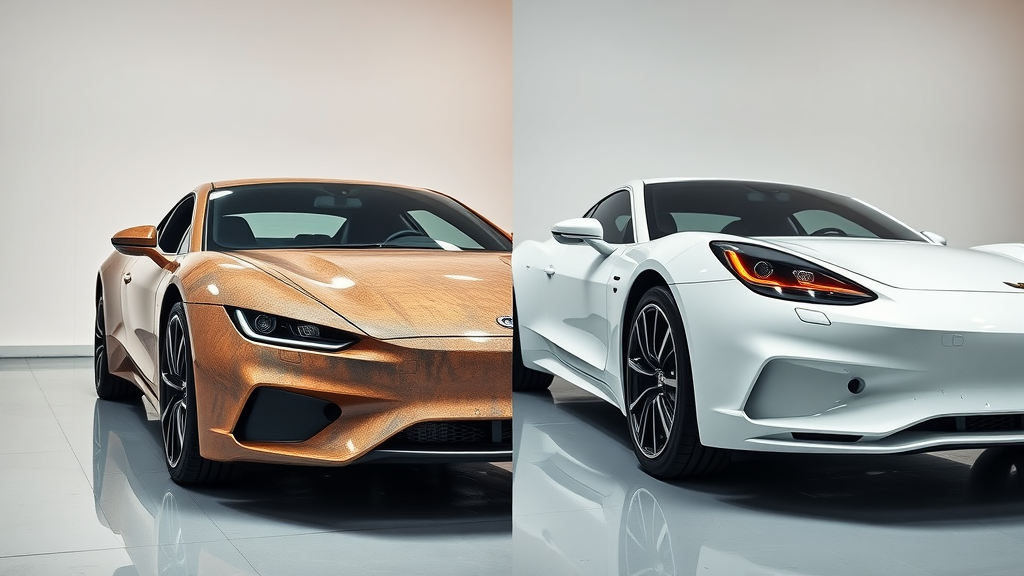
A standout feature of ceramic coating for car is its extreme hydrophobicity—meaning it literally repels water. Not only does this effect make raindrops bead and roll off your vehicle, but it also makes routine cleaning a breeze. Water, mud, and surface debris have a hard time sticking to the ceramic-coated surface, sharply reducing the risk of water spots and stubborn grime.
Even after a heavy rain or messy drive, a quick rinse is often enough to restore your car’s high-gloss shine. This minimizes your exposure to swirl marks commonly caused by improper car wash techniques, since you use less friction to clean a ceramic-coated vehicle. The result is a finish that stays cleaner, longer—and saves you hours of labor over months of ownership.
Protection Against Rock Chips and Scratches
While no product can fully prevent deep scratches or major rock chips, ceramic coating protection adds a significant new layer of defense against everyday threats on the road. The tough shell formed by the ceramic coat helps absorb the impact of small debris, reducing the risk that rocks kicked up by traffic or grit from winter roads will penetrate your clear coat and mar your paint.{' '} This added resilience works hand-in-hand with your car’s factory paint protection and is particularly valuable for vehicles subjected to regular highway driving or urban environments with higher debris risk. While it's still wise to practice safe parking and driving habits, ceramic coatings empower owners to worry less about minor abrasions and more about enjoying their ride.
"Ceramic coating protection creates a robust shield, preserving your vehicle’s finish under real-world conditions." — Automotive Protection Expert
Video 1: Visual Explanation of Ceramic Coating Protection Process and Results
Types of Ceramic Coatings for Car Paint Protection
Professional vs. DIY Ceramic Coating for Car

When it comes to ceramic coating for car paint protection, there are two primary application routes: DIY kits and professional-grade installations. DIY ceramic coating products, often found from brands like Chemical Guys, are more affordable and user-friendly, ideal for detailing enthusiasts willing to invest some elbow grease. However, achieving a flawless, even coat that truly bonds and cures like a professional job can be challenging for the average person.
On the other hand, professional ceramic coatings offer harder, longer-lasting protection and often come with robust warranties. The application process requires in-depth surface prep and skilled hands, but the reward is deep, lustrous shine and multi-year durability. For those who want maximum paint protection, professional ceramic coatings applied by certified technicians are the gold standard.
Choosing the Best Ceramic Coatings for Maximum Protection
Selecting the best ceramic coating protection for your vehicle depends on multiple factors: desired durability, gloss level, and your willingness to invest in professional services. Professional-grade coatings tend to offer state-of-the-art nano-technology, deeper shine, and longer warranties. DIY coatings have improved considerably but typically last less time and may require more frequent reapplication.
Look for ceramic coatings known for high solids content and superior hydrophobic attributes—these signal a tougher, more long-lasting shield for your car paint. Also, research user reviews, available support, and aftercare guidelines from major brands before choosing a coating product. The right ceramic coating product will deliver a visible boost in paint protection, effortlessly turning heads and securing your investment.
Popular Ceramic Coating Brands: Chemical Guys and More
Some of the leading names in the ceramic coatings market include Chemical Guys, CarPro (CQuartz), Gtechniq, and Adam’s Polishes. Brands like Chemical Guys offer popular DIY ceramic car protection solutions with easy application and trusted results, while top-tier options from Gtechniq and CQuartz are preferred by professional detailers for their durability and warranty support.
When selecting a brand, consider not only gloss and hydrophobicity but also factors like aftercare requirements and cost per application. Ultimately, investing in a reputable, proven ceramic coating product is essential to maximizing car paint longevity, UV protection, and that head-turning showroom-quality finish.
The Application Process: How Ceramic Coating is Applied
Surface Preparation: Clean, Decontaminate, and Polish

A flawless ceramic coating protection job begins with meticulous surface preparation. First, the vehicle receives a thorough car wash to remove dirt and road grime. Next, decontamination steps like clay bar treatment and iron remover dissolve stubborn particles, while careful inspection ensures no tree sap, tar, or residue remains.
Afterward, a multi-stage polish corrects existing swirl marks or minor scratches, restoring a smooth, defect-free surface. This step is critical—any imperfection left behind can be permanently sealed under the hard ceramic layer. Only once your car paint is perfectly clean, smooth, and glossy is it ready for the application process, which guarantees that the ceramic coating bonds evenly and delivers its full, protective benefits.
Step-by-Step Guide to Applying Ceramic Coating
The application process for ceramic coatings involves precision, patience, and technique. Technicians, or skilled DIYers, apply the coating by hand using a special applicator cloth and gloves to prevent skin oils from interfering with the bond. The product is sectioned out and gently wiped onto the car paint in small, overlapping swaths. As the nano-ceramic product flashes, it’s buffed off to eliminate haze and ensure a flawless, high-gloss finish.
Depending on the product chosen, one or more layers may be recommended for maximum paint protection. Some coatings require a dedicated curing period, where the vehicle should avoid water or dust for up to 24–48 hours. Following instructions precisely is essential—improper application can lead to high spots, streaks, or the need for professional correction.
Post-Application Care: Ensuring Optimal Coating Performance
Once the ceramic coat is cured, ongoing care is crucial for maintaining its resilience and shine. For the first week, it’s wise to keep the car out of rain and avoid car washes. Thereafter, regular upkeep with pH-neutral shampoos and gentle wash techniques preserves both the hydrophobic properties and the deep gloss.
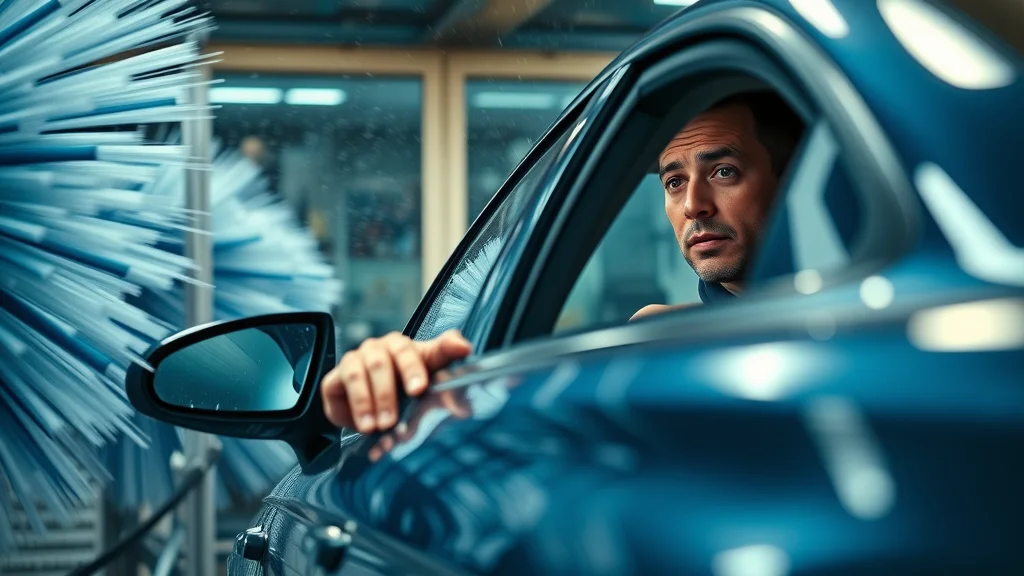
Avoid using abrasive pads, aggressive chemicals, or automatic car washes with stiff brushes, all of which can compromise the hard shell of your ceramic coating. Instead, opt for soft microfibers, routine tendon inspections, and maintenance sprays specifically designed for ceramic coatings. By following these guidelines, your investment in paint protection will easily outlast traditional sealants or waxes—and keep your car looking new longer.
- Regular washing with pH-neutral car shampoos
- Avoiding aggressive chemicals
- Routine inspections
Ceramic Coating Protection: Cost, Value, and Durability
Understanding the Investment: Costs of Ceramic Coat vs. Other Options
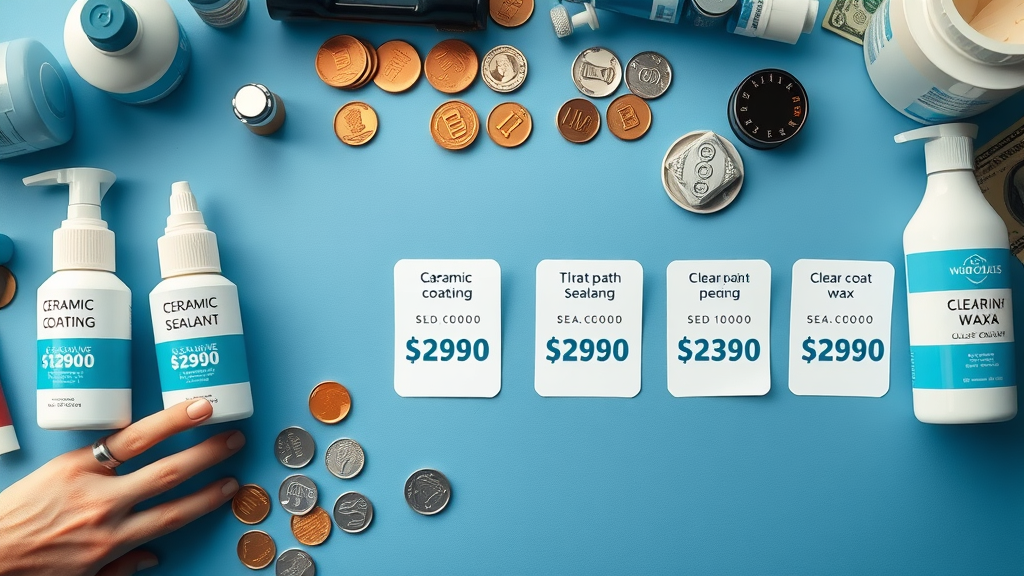
Investing in ceramic coating protection may initially seem costly compared to regular wax or paint sealant treatments. DIY kits start at a few hundred dollars, while professional-grade ceramic coatings can run anywhere from $800 to over $2,000, depending on the quality, the number of layers, and the detailer’s expertise. Despite the upfront price, ceramic coatings far outlast other forms of paint protection, often saving car owners significant time and money over the vehicle’s lifespan.
In contrast, conventional paint sealants and clear coats require frequent reapplication or costly repairs if the finish is degraded by environmental elements. When considering the savings on car washes, reduced need for paint correction, and enhanced resale value, ceramic coatings easily justify their higher initial investment—making them a shrewd financial choice for long-term vehicle care.
| Protection Type | Typical Cost | Application Frequency | Longevity |
|---|---|---|---|
| Ceramic Coating (Professional) | $800–$2,000+ | Once every 2–5 years | 2–5+ years |
| Paint Sealant | $100–$200 | Every 6 months | 4–6 months |
| Clear Coat | Included (factory finish) | As needed (repairs) | Varies (vulnerable to damage) |
| Wax | $50–$100 | Every 1–3 months | Up to 3 months |
How Long Does Ceramic Coating Last? Longevity Explained
Ceramic coatings are lauded for their impressive lifespan, consistently outlasting both paint sealant and the natural durability of factory-applied clear coat. Most high-end, professionally applied ceramic coatings remain effective for two to five years, with some premium options delivering protection and gloss far beyond that. Durability depends on product quality, the expertise of the application process, and how well you maintain your vehicle.
Routine care, such as regular washing and avoiding harsh chemicals, maximizes the longevity and stunning appearance of your ceramic car coating. For car owners seeking a set-it-and-forget-it solution for paint protection, ceramic coatings stand out as the most effective, low-upkeep option available in today’s market.
"A quality ceramic coating can last years—outperforming traditional car paint sealants and waxes."
People Also Ask: Answering Top Questions About Ceramic Coating Protection
How to protect your ceramic coating?
To keep ceramic coating protection at peak performance, always use a pH-neutral car shampoo when washing. Avoid abrasive sponges and harsh chemical cleaners, as they can erode the protective layer over time. Perform regular inspections for signs of contamination or decreased water beading, which can signal it’s time for maintenance products or reapplication. Soft microfiber towels, gentle wash mitts, and recommended ceramic boosters help ensure your coating continues to repel water and resist stains for years.
Proper washing techniques, avoiding harsh chemicals, and regular inspections help preserve ceramic coating protection, ensuring longevity and optimal performance.
The key to preserving your ceramic car coating’s effectiveness lies in attention to detail. Wash your car regularly with two-bucket methods and grit guards to minimize swirl marks. Opt for products rinse-safe for nano-coatings, and avoid touchless car washes with high-alkaline soaps. Schedule annual checkups at your detailer if you’ve had a professional product installed—this can include paint decontamination and the application of a ceramic top-up. By following these expert tips, you’ll maximize both the aesthetic and protective benefits of your coating for years on end.
Is there a downside to ceramic coating?
While ceramic coatings offer exceptional defense for your car paint, some drawbacks exist. They require extensive surface preparation before application, and errors during application can lead to streaks, uneven gloss, or premature failure. DIY kits must be used carefully—otherwise, you may need expensive professional correction. While ceramic coatings increase resistance against swirl marks and minor scratches, they do not prevent all types of paint damage, so safe driving and parking habits remain important for lasting results.
While ceramic coatings offer exceptional protection, they require extensive surface prep and, if improperly applied, can result in uneven finish or require professional correction.
Professional installation helps mitigate most risks associated with ceramic coatings, thanks to certified applicators who can spot and fix potential errors before curing. However, the cost and time involved can be higher compared to simpler alternatives like wax. For car owners who value gloss, minimal maintenance, and true longevity, these small compromises are usually well worth the extra investment.
How long does ceramic coating last?
Most professionally installed ceramic coatings last between two to five years, depending on the quality of the product, environmental conditions, and how strictly you follow maintenance guidelines. DIY ceramic coating products might only last a year or two, but still outperform traditional waxes and sealants. In high-pollution or high-sun areas, you might need more frequent touch-ups—but with care, expect multi-year protection that keeps your car’s finish looking flawless for the long haul.
Most professionally applied ceramic coatings last 2-5 years depending on maintenance, environmental factors, and product quality.
If you maximize aftercare—like routine washing, avoiding harsh chemicals, and using booster sprays—top professional ceramic coatings can even exceed their basic lifespan. Regular visual checks ensure small issues are handled before they become big ones, extending the protection and appearance for even longer.
Can I wax over ceramic coating?
Waxing over a ceramic coating isn’t recommended or necessary. In fact, some waxes may alter the hydrophobic and glossy properties that make ceramic coating protection so valuable. However, select enthusiasts use non-abrasive show-waxes for extra shine before big events. If so, make sure any added product is ceramic-safe and doesn’t impede water beading.
Waxing over ceramic coating is not necessary and may reduce the hydrophobic properties of the coating, but some enthusiasts use wax for additional gloss.
Generally, skip the wax if you want the self-cleaning and water-repellent advantages of your ceramic coat to last. For the highest level of paint protection and shine, simply maintain your ceramic coating with approved maintenance sprays and gentle wash routines.
Maintaining Your Ceramic Coating Protection Over Time

Routine Maintenance Tips for Long-Lasting Protection
Ongoing care is crucial for keeping your ceramic coating protection at its best. Begin with scheduled, gentle car washes using pH-neutral cleaners, and always use microfiber towels or mitts to minimize abrasion. Avoid automated washes that utilize brushes or high-alkaline soaps, both of which can degrade the ceramic surface and cause swirl marks. It's also a good practice to park in sheltered areas when possible to further minimize exposure to tree sap or bird droppings.
Regular inspections allow you to catch early signs of contamination. Monthly maintenance sprays specifically formulated for ceramic coatings will refresh both water beading and shine, extending the protective layer's effective lifespan.
Products to Use and Avoid for Ceramic Coated Cars
To maximize the performance and lifespan of your ceramic car coating, only use products approved for nano-ceramic finishes. Steer clear of abrasive polishes, high-alkaline soaps, or degreasers meant for wheels or engines—these can strip the protective layer. Stick to pH-balanced cleaners, ceramic-safe drying aids, and soft towels or mitts. If you visit professional car washes, ask if they offer ceramic-safe wash programs.
Finally, refrain from using waxes or sealants that contain abrasive particles or effective oils, as these may clog or dull your hydrophobic finish. Invest in quality aftercare and trust your ceramic defense to keep your vehicle looking at its finest, rain or shine.
Ceramic Coating Protection FAQs
- Does ceramic coating protect against all scratches and chips?
- Is professional application worth the extra cost?
- How soon after purchasing a new car should you get ceramic coating protection?
Key Takeaways: Why Ceramic Coating Protection Pays Off
- Ceramic coating protection outlasts traditional paint protection methods
- Reduces maintenance effort while enhancing appearance and longevity
- A smart investment for keeping your car’s finish showroom-quality
- Contact a professional for best results and warranty support
Conclusion: Invest in Ceramic Coating Protection for Lasting Shine and Peace of Mind
Ceramic coating protection transforms car care by enhancing shine, easing maintenance, and safeguarding your investment with enduring strength.



Write A Comment