 Add Row
  Add
Add 


Hook: Have you ever wondered if your meticulously ceramic coated car is truly protected—or could common maintenance mistakes be stealing its shine? Dive deeper and discover how proper ceramic coating maintenance makes all the difference.
Unlocking the Secrets of Ceramic Coating Maintenance
"Is your ceramic coated car truly protected, or are common maintenance mistakes dulling its brilliance? Let’s uncover the reality of ceramic coating maintenance."
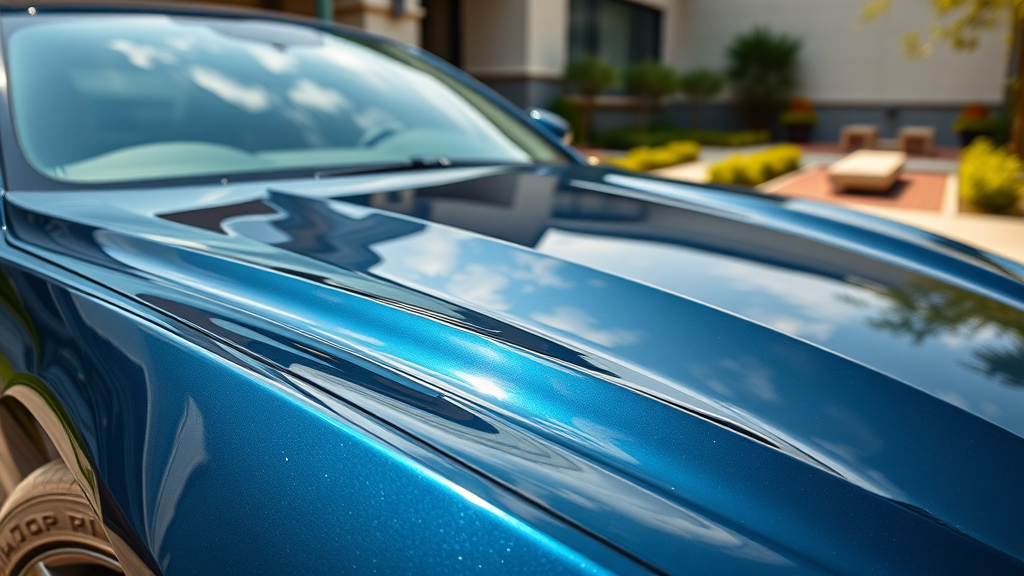
Maintaining the glossy, mirror-like finish of your coated car isn’t just about keeping up appearances—it's a critical process that ensures your investment holds its value and beauty for years. With ceramic coating maintenance, your vehicle enjoys enhanced hydrophobic properties, superior resistance to water spots and contaminants, and an undefeatable shield against marks like minor scratches and environmental threats. But those benefits pale if maintenance is overlooked or done incorrectly.
The truth is, many car owners fall prey to common pitfalls—like using the wrong car wash technique, neglecting professional annual inspection, or exposing their ceramic coated car to harsh chemicals and direct sunlight. This guide will debunk myths, reveal best practices, and arm you with the simple steps needed to protect your ceramic coating—transforming routine car care into expert-level coating maintenance.
What You’ll Learn About Ceramic Coating Maintenance
- The essentials of ceramic coating maintenance for long-lasting protection
- Best practices for maintaining a ceramic coated vehicle’s shine
- Common mistakes that can degrade your ceramic coat
- Optimal washing techniques and tools
- How to avoid threats like direct sunlight and harsh chemicals
Ceramic Coating Maintenance: Why It’s Critical for Your Coated Car
Understanding Ceramic Coating and Your Coated Vehicle
At its core, ceramic coating forms an invisible, durable protective layer over your car’s clear coat. This shield offers superior resistance against elements like water, tree sap, bird droppings, and minor scratches. But even with advanced technology, your ceramic coated vehicle is not invincible—regular ceramic coating maintenance is vital for ongoing performance.
Without consistent upkeep, contaminants like water spots can embed themselves into the surface, dulling the signature shine and compromising the hydrophobic properties. Over time, the neglect allows environmental conditions—such as acid rain and UV rays—to breach the protective barrier. That’s why understanding not only what ceramic coatings do but how routine maintenance preserves their advantages is critical for any coated car owner.

How the Curing Process Impacts Maintenance
The curing process is a crucial phase immediately after your ceramic coat is applied. This period, typically lasting 24 to 72 hours (and up to a week for some professional coatings), allows the product to fully bond with your vehicle’s paint. During curing, it’s important to keep your coated car indoors, away from moisture, bird droppings, and direct sunlight, as any contaminants can permanently mar the finish or inhibit the protective layer from forming correctly.
After the initial application, refrain from washing your car or using a pressure washer until the curing process is complete. As your ceramic coated vehicle transitions from this fragile stage to routine use, proper coating maintenance becomes the key to unlocking long-term value—preserving water beading, resilience, and the unmistakable shine.
Ceramic Coating vs. Traditional Protection Methods
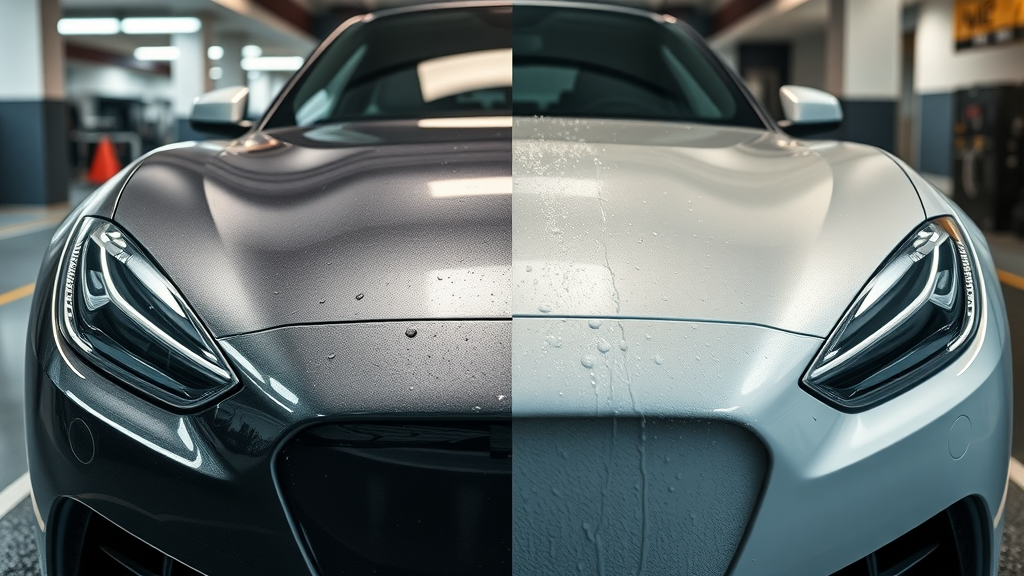
Choosing ceramic coating over traditional wax is a smart investment for car enthusiasts seeking advanced protection. Whereas wax provides a temporary barrier that’s quickly eroded by regular car washes, environmental conditions, and time, ceramic coatings offer a resilient, long-lasting solution. Their exceptional hydrophobic properties prevent water spots, reduce the risk of tree sap and bird droppings adhering, and make cleaning your coated car significantly easier.
Nevertheless, while ceramic coatings decrease the need for frequent applications, they do not eliminate maintenance. Unlike wax, which can be reapplied with little preparation, ceramic coat repairs (after damage from neglect or improper washing technique) are more complex and expensive. Recognizing this difference underscores why comprehensive ceramic coating maintenance is so essential to preserve your investment.
The Fundamentals of Coating Maintenance: Protecting Your Ceramic Coated Car
Initial Steps After Application: The Curing Process
Directly after ceramic coating application, patience is paramount. The curing process is when the magic happens—molecules bond, forming a tough, clear shield. To maximize the benefits, keep your coated vehicle sheltered, avoid touching it, and do not wash or expose it to rain. If possible, park in a shaded, contamination-free area.
Once the curing window passes (refer to your installer’s instructions for precise timing), you can resume light use, but always avoid automated car washes and pressure washers for at least a week. This allows for complete adhesion of the ceramic coat, preventing premature wear and locking in that unmistakable shine. A little early diligence in your coating maintenance will pay off in years of dazzling results for your ceramic coated vehicle.
Routine Washing Techniques for Ceramic Coated Vehicles
Weekly or bi-weekly hand washing is the foundation of ceramic coating maintenance. Always use a pH-neutral shampoo and soft, clean water. Employ the two-bucket method—a bucket for soapy water, another for rinsing your wash mitt—so sand or grit doesn’t leave minor scratches on your ceramic coated car. Avoid car washes with spinning brushes or recycled water, as these may damage the protective layer and compromise hydrophobic properties.
After rinsing thoroughly, use a microfiber towel or drying towel instead of air drying to prevent water spots. Never wash in direct sunlight, as it can cause rapid evaporation, leaving behind streaks and residues. The right washing technique not only preserves the ceramic coat but also keeps your vehicle looking showroom fresh week after week.
Top Tips for Ceramic Coating Maintenance: Dos and Don’ts
- Always use a microfiber towel: Prevents scratches and ensures gentle cleaning.
- Avoid car washes with harsh chemicals: These can degrade the ceramic coat.
- Never pressure wash in direct sunlight: Water spots and streaks can occur quickly.
- Schedule an annual inspection: Keep your coated vehicle’s protection at its peak.
- Dry thoroughly after each wash: Use a dedicated, clean drying towel or microfiber cloth.
Recommended Products for Ceramic Coating Maintenance
Best Shampoos and Cleaners for Coated Cars
Not all cleaning products are created equal. Ceramic coating maintenance demands the use of pH-neutral shampoos and hydro-friendly cleaners to uphold the integrity of your ceramic coat. Look for formulas that are free of waxes and silicones, as these can leave unwanted residues that diminish shine or disrupt water beading. Many brands now offer specialized shampoos designed for ceramic coated vehicles, maximizing the protective layer’s performance.
Don’t use dish soap or household detergents—these are too harsh and strip away your finish. Stick to brands and products your installer recommends, and keep a bottle of ceramic coat-safe quick detailer handy for fast spot cleaning between washes.
Choosing Microfiber Towels and Applicators
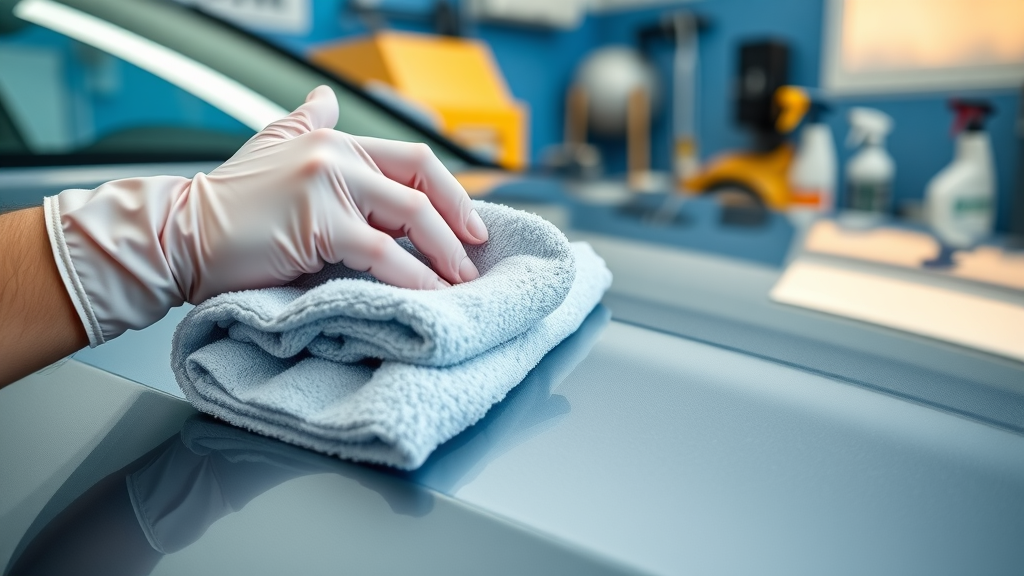
The right tools transform the results of your ceramic coating maintenance. Always use premium microfiber towels—these ultra-soft, lint-free cloths prevent swirl marks, soak up clean water efficiently, and ensure a streak-free finish. Designate certain towels for drying, others for buffing, and keep them clean and contaminant-free.
Applicators, like foam or specialized microfiber pads, make applying ceramic-safe detailers or maintenance sprays much easier. Avoid reusing towels that have picked up tree sap, road grime, or harsh chemicals; instead, wash everything separately and air-dry. Investing in proper tools enhances every washing technique, letting you maintain the coating’s pristine look longer.
Why Avoid Traditional Car Washes?
Automated car washes—especially those with spinning brushes—are a no-go for ceramic coated vehicles. These systems use recycled water, harsh detergents, and aggressive cleaning heads that compromise the ceramic coating and leave behind fine scratches or water spots. Some car washes even apply generic waxes, dulling the hydrophobic properties of your ceramic coat.
Touchless washes are safer but still may use chemicals too strong for long-term coating maintenance. When in doubt, stick with gentle hand washing using a quality microfiber towel and the right products.
Ceramic Coated Car Maintenance Schedule: How Often to Clean and Inspect
| Maintenance Activity | Frequency | Recommended Products |
|---|---|---|
| Hand Wash | Weekly/Bi-weekly | pH-neutral shampoo |
| Inspection | Annually | Professional service |
| Quick Detailing | As needed | Ceramic-safe detailer |
| Decontamination | Every 6 months | Iron remover |
Following a structured maintenance schedule ensures your ceramic coated car maintains peak condition year-round. Regular hand washing removes grime and contaminants before they embed, while annual inspections let professionals spot any trouble areas or wear-and-tear, delivering corrective actions before issues become costly. Using ceramic-safe quick detailers in between full washes maintains that head-turning gloss, while periodic decontamination (using an iron remover) keeps the surface pure and ready for continued shine.
What Can Damage Ceramic Coating? Dangers and Prevention
Environmental Threats: Sun, Rain, and Contaminants
Your ceramic coated vehicle may seem impervious, but hazards like bird droppings, acid rain, tree sap, and UV rays attack the coating’s surface relentlessly. Prolonged exposure to direct sunlight not only undermines the coating’s hydrophobic properties but may speed up wear, leading to potential fading or water spots.
Shielding your coated vehicle with covered parking or a quality car cover can help. Remove contaminants like tree sap or bird droppings promptly using a soft, damp microfiber cloth—let these sit and you risk etching both the ceramic coat and underlying clear coat.
Improper Washing Techniques and Car Washes
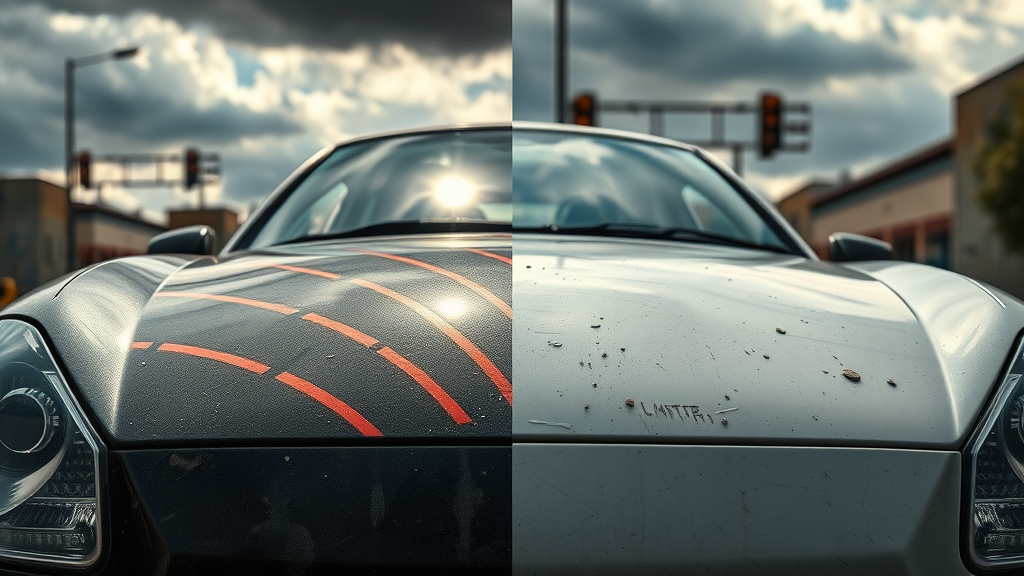
One of the greatest threats to ceramic coating maintenance is improper washing technique. Using abrasive cloths, old drying towels, or dirty sponges will introduce minor scratches—or worse, strip away the protective layer entirely. Avoid pressure washers with unknown psi settings and keep away from spinning brush automated car washes.
Stick to hand washing in shade, using fresh, clean water and the right microfiber cloths. Protect that investment by turning washing into a regular, mindful routine—not just an afterthought.
Chemical Hazards: What to Avoid
Household detergents, acid-based cleaners, and caustic degreasers all spell disaster for your ceramic coated car. They attack the molecular structure of the ceramic coating and quickly degrade its hydrophobic properties, leaving your coated car vulnerable to water spots, UV rays, and embedded stains.
Always read product labels and use only those made for ceramic coated vehicles. When decontaminating, select iron removers and quick detailers labeled “ceramic safe” to ensure that you don’t unintentionally cause damage. A conservative, careful approach to product selection will help maintain the coating and keep your vehicle looking flawless.
People Also Ask: Answers to Common Ceramic Coating Maintenance Questions
How to maintain a car after ceramic coating?
"Maintain a ceramic coated car with regular gentle hand washes, avoid abrasive cloths, and book annual inspections to ensure lasting shine and protection."
After applying ceramic coating, establish a maintenance routine: wash your coated vehicle by hand every 1-2 weeks with pH-neutral shampoo, always using a clean microfiber towel. Avoid direct sunlight and pressure washers, and keep an eye out for environmental threats (bird droppings, tree sap). Consider scheduling a pro annual inspection—experts will check for minor scratches, reapply booster if needed, and help keep your shine alive.
What destroys ceramic coating?
"Common destroyers of ceramic coating include acidic cleaners, automated car washes with brushes, and prolonged direct sunlight exposure."
The most common threats to ceramic coatings are harsh chemicals, abrasive car washes, and exposure to extreme weather—especially prolonged direct sunlight. Acidic cleaners and pressure washers used incorrectly undermine the protective layer, while skipping routine hand-washing or letting bird droppings sit can permanently etch the finish. Avoid these pitfalls to safeguard the hydrophobic and gloss-retentive properties of your ceramic coated vehicle.
How often should I wash my ceramic coated car?
"Wash your ceramic coated vehicle every 1-2 weeks to prevent buildup of contaminants and maintain the gleaming finish."
Aim for weekly or bi-weekly hand washing to remove road salts, pollutants, or grime that dulls your vehicle’s ceramic coat. Seasonal weather, driving frequency, and environmental exposure may impact how often you clean, but establishing a regular schedule helps preserve the finish, repel water, and minimize the need for costly correction—keeping your coated vehicle showroom-ready.
Is there a downside to ceramic coating?
"While ceramic coatings provide long-term protection, their downside is the need for proper maintenance and the risk of expensive reapplication if neglected."
The chief drawback of ceramic coatings is the need for diligent, ongoing care. Neglect leads to diminished hydrophobic effects, loss of gloss, and potential need for costly reapplication or correction. However, for those willing to maintain the coating, the results far outweigh the effort—offering unmatched protection and aesthetic brilliance in the long run.
Watch this comprehensive video walkthrough for thorough ceramic coating maintenance: see the best hand washing technique, drying tips, finish inspections, and spot cleaning using only ceramic-safe products—everything you need to keep your coated car looking flawless!
Frequently Asked Questions About Ceramic Coating Maintenance
- Can I use a pressure washer on ceramic coated vehicles? Use with caution at low pressure, wide fan spray, and never in direct sunlight—avoid close-range spraying.
- Should I apply wax over a ceramic coat? Generally unnecessary and potentially detrimental—ceramic coatings don’t need waxing and most waxes disrupt their hydrophobic properties.
- Are quick detailers safe for ceramic coatings? Yes, provided they’re formulated for ceramic coated vehicles. Always check the label.
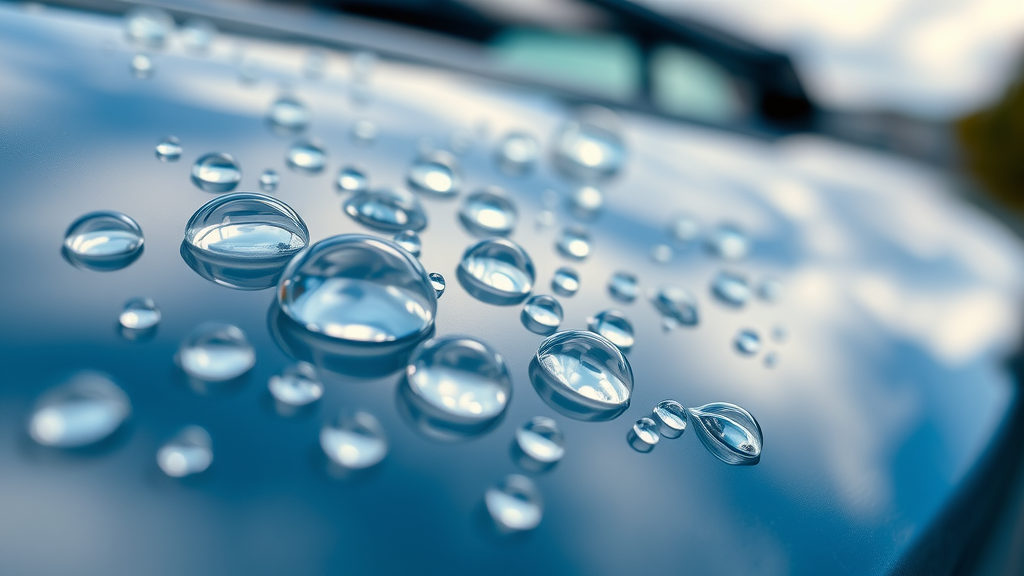
- How do I check if my ceramic coating is still active? Perform a water beading test—if water pools or sheets, your coating may need attention or boost.
- What is the best drying method for a ceramic coated car? Use a plush, clean microfiber drying towel for best results and the least risk of swirl marks.
Expert Tips: Get the Most from Your Ceramic Coated Vehicle
- Use only pH-neutral products to avoid damaging the coating
- Dry using a clean microfiber towel to minimize swirl marks
- Inspect your coated car regularly for water beading and shine
Key Takeaways in Ceramic Coating Maintenance
- Ceramic coating maintenance is essential for long-term shine
- Routine care like proper washing and annual inspection preserves protection
- Harsh chemicals and improper techniques can destroy the ceramic coat
Conclusion: Keep Your Shine Alive With Professional Ceramic Coating Maintenance
Consistent ceramic coating maintenance is the secret to unparalleled shine and long-lasting protection. With the right approach, your coated car will always turn heads.
Ready for Lasting Shine? Call Us for Expert Ceramic Coating Maintenance!
Protect your investment—call us today at 714-726-5161 for professional ceramic coating maintenance and keep your vehicle shining like new.




Write A Comment