 Add Row
  Add
Add 


Did you know that nearly 80% of ceramic coating failures are the result of poor aftercare—not the product itself? Automakers and detailing professionals agree: a well-applied ceramic coat can deliver years of protection, but only if you maintain it properly. In this comprehensive guide on ceramic coating aftercare, you’ll discover how the right steps keep your car looking flawless and help safeguard your investment for the long haul.
Did You Know? 80% of Ceramic Coating Failures Are Due to Improper Aftercare
Understanding why ceramic coatings fail is the first preventive step every car owner should take. Studies and industry insights consistently report that 8 out of 10 ceramic coatings don’t reach their full potential lifespan because of lapses in proper aftercare. That cracked, dull, or water spot-ridden finish you see on some coated vehicles? It’s rarely the quality of the ceramic coat itself—but usually a result of neglect or incorrect maintenance.
The main keyword here is ceramic coating aftercare. Simple habits, such as using the right car soap, avoiding harsh car washes, and performing routine inspections, make all the difference. By focusing on these practices, you not only preserve the look and feel of your newly coated car, but also extend the valuable ceramic layer’s protection against UV rays, brake dust, bird droppings, and environmental conditions.
"Proper ceramic coating aftercare doesn’t just preserve the look—it safeguards your car’s long-term value and protection."
What You'll Learn About Ceramic Coating Aftercare
- Why ceramic coating aftercare is crucial for your coated vehicle
- The complete step-by-step aftercare process
- Common coating aftercare mistakes to avoid
- Expert answers to frequently asked questions regarding ceramic coating
- Pro tips and recommended products for ceramic coat maintenance
Understanding Ceramic Coating: What It Does for Your Car
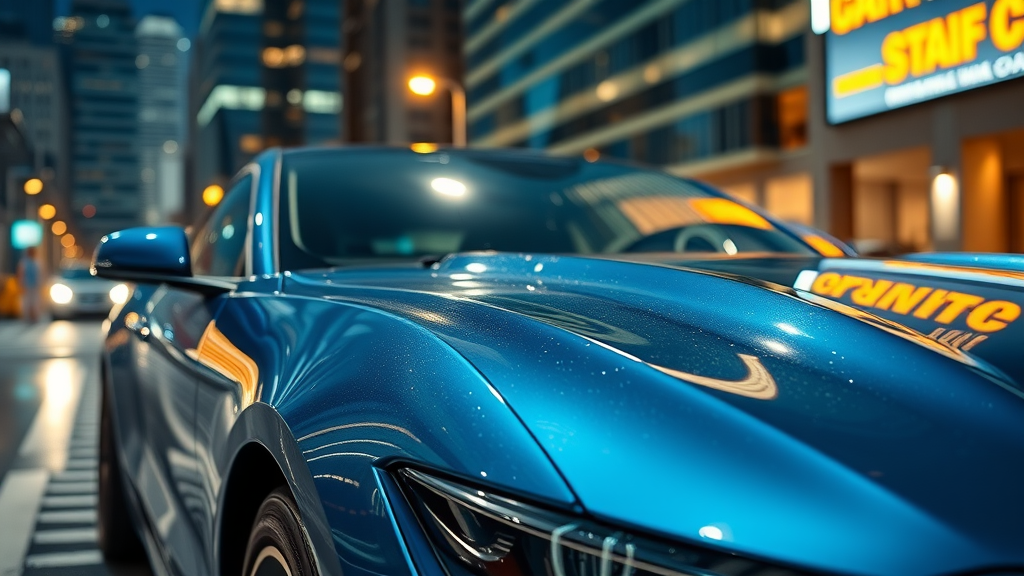
Ceramic Coating Explained: Benefits Beyond Shine
Ceramic coating is much more than just an aesthetic upgrade—it acts as a durable, invisible layer of protection for your paint. When properly applied, a high-quality ceramic coat creates a hard, nano-ceramic shell that fuses with your car’s clear coat. This brings out an unmatched deep gloss, but more importantly, adds hydrophobic properties, meaning water, dirt, and road grime bead up and roll away instead of sticking.
Beyond the shine, ceramic coatings repel contaminants, resistant to UV rays, and defend against oxidation, bug splatter, bird droppings, and even light swirl marks. This shield helps prevent fading, ensures your paint stays vibrant, and reduces your need for constant waxing or heavy-duty cleaning. The added benefit for car enthusiasts and daily drivers alike is simple: less maintenance, longer-lasting beauty, and superior coated vehicle protection.
The Role of Ceramic Coating in Long-Term Vehicle Protection
While the immediate effect of ceramic coatings is a showroom shine, the long-term role is all about defense. The tough, slick surface layer resists brake dust, tree sap, environmental fallout, and even light scratches that can mar the look of traditional paint jobs.
What’s more, ceramic coatings significantly slow down the wear and tear caused by daily exposure to harsh environmental conditions—be it UV rays, acid rain, or other paint-damaging factors. With proper ceramic coating aftercare, this advanced sealing technology can deliver years of unparalleled protection, ensuring that your investment in a ceramic coated car maintains both its gorgeous finish and its long-term resale value.
Critical First Steps: Ceramic Coating Aftercare Immediately Post-Application
The Curing Process: What Happens After Ceramic Coating Installation
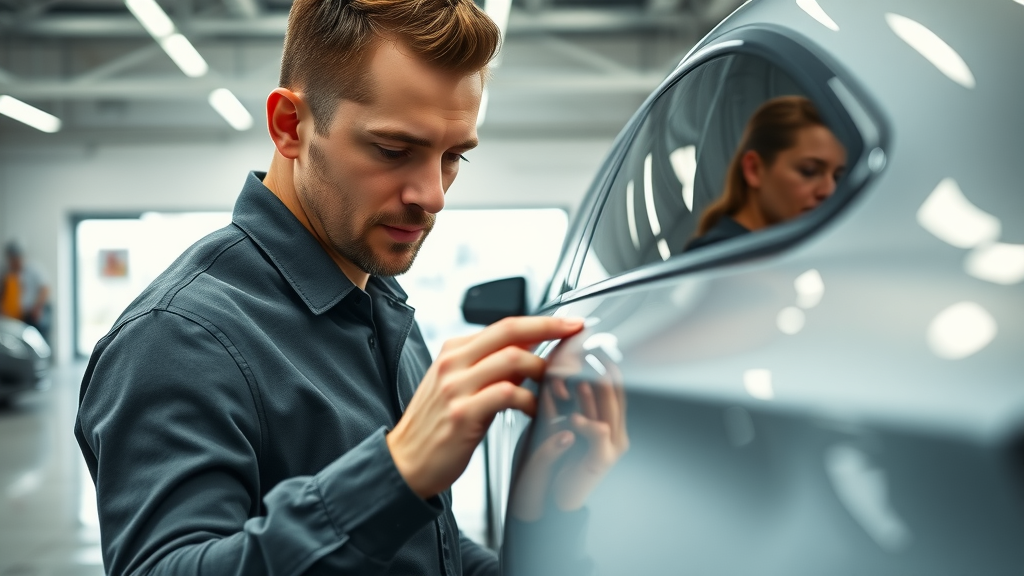
The first 24-72 hours after ceramic coating is applied are the most critical for long-term durability. During this period, the curing process takes place—where the ceramic particles chemically bond to your car’s surface. Any exposure to water, harsh chemicals, or environmental pollutants can compromise this bond and lead to early coating failure.
As part of proper ceramic coating aftercare during this phase, avoid washing your car, parking under trees or in direct sunlight, or allowing bird droppings, water spotting, or other contaminants to settle on the surface. If the car does get wet, gently blot excess moisture with a clean microfiber towel. Remember, a meticulous approach during the curing window sets the tone for a long-lasting, resilient ceramic coat.
How Long Should I Wait to Drive My Car After Ceramic Coating?
For optimal results, it’s best to leave your car indoors or in a sheltered environment for at least 24 hours after coating application. If indoor parking isn’t an option, assure minimal exposure to dust, rain, or airborne contaminants. While light driving might be safe after the first day, full curing—including resistance to water and car wash chemicals—generally takes about seven days.
Avoid washing your vehicle, using detail spray, or contacting the coated surface with drying towels or other accessories during this first week. Once the curing process is complete, you can begin your routine maintenance—confident that your ceramic coating aftercare is off to a solid start.
Routine Ceramic Coating Aftercare: How to Maintain That Just-Coated Look
Car Wash Best Practices for Coated Vehicles
- Why proper car wash matters for ceramic coating aftercare
- How to use the right car soap for coated surfaces
- Avoiding automatic car washes
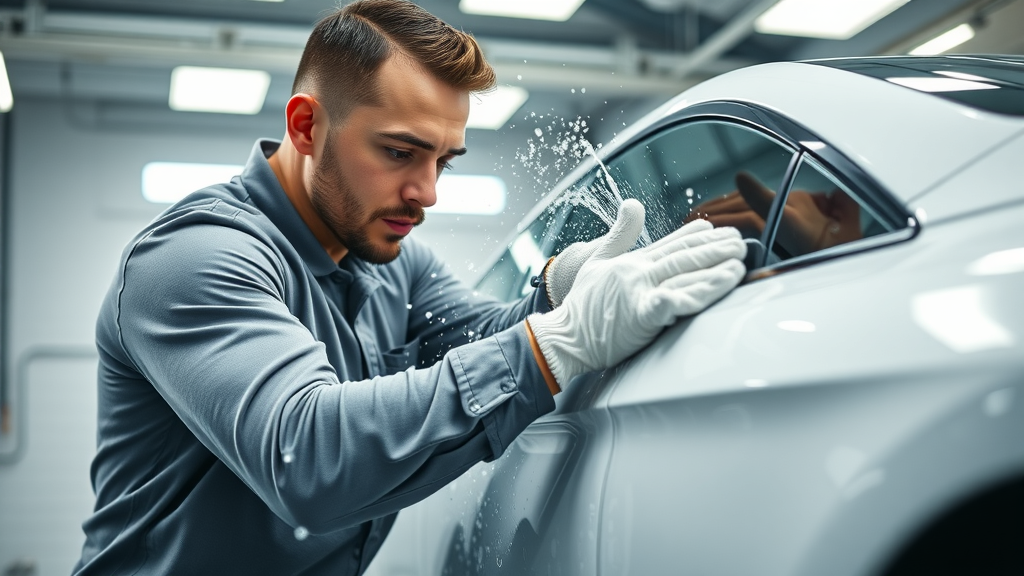
Your approach to every car wash will dictate how long your ceramic coating’s shine and hydrophobic properties last. First, always hand wash your coated vehicle using clean water, a high-quality car soap formulated for coated surfaces, and a plush microfiber towel or wash mitt. This ensures that contaminants are gently lifted away, rather than ground into the paint.
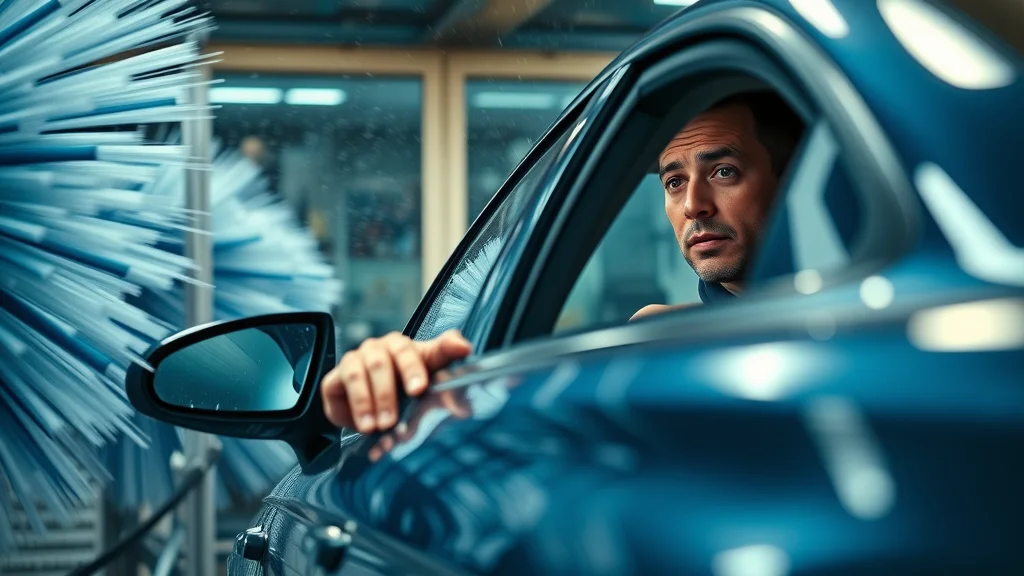
Avoid harsh or automatic car washes, as their brushes and chemicals can introduce swirl marks and reduce your coating’s effectiveness. Instead, employ the two-bucket wash method with a grit guard—one for soapy water and one for rinse water—to prevent cross-contamination and minimize the risk of scratching the surface. Finish off with a dedicated drying towel designed for ceramic coatings to prevent new water spots from forming.
Choosing a Microfiber Towel and Accessories for Cleaning
The accessories you choose for your wash routine can either prolong your ceramic coating or cause premature wear. Microfiber towels are a must for both washing and drying—a premium, clean microfiber towel offers the gentlest contact and traps dirt particles, greatly reducing the risk of scratching. Always designate separate towels for different tasks, such as washing, drying, and applying detail spray, and be sure to launder them without fabric softener.
Additionally, opt for a foam applicator, microfiber wash mitt, and a low-pH, ceramic-safe car soap for best results on coated vehicles. Steer clear of rough sponges or apparel with loose threads, which can drag contaminants across your car’s surface. By equipping yourself with proper car care gear, you maintain the integrity of the coating aftercare process and protect your investment from avoidable damage.
Applying Detail Spray & Ceramic Boost: Frequency and Methods
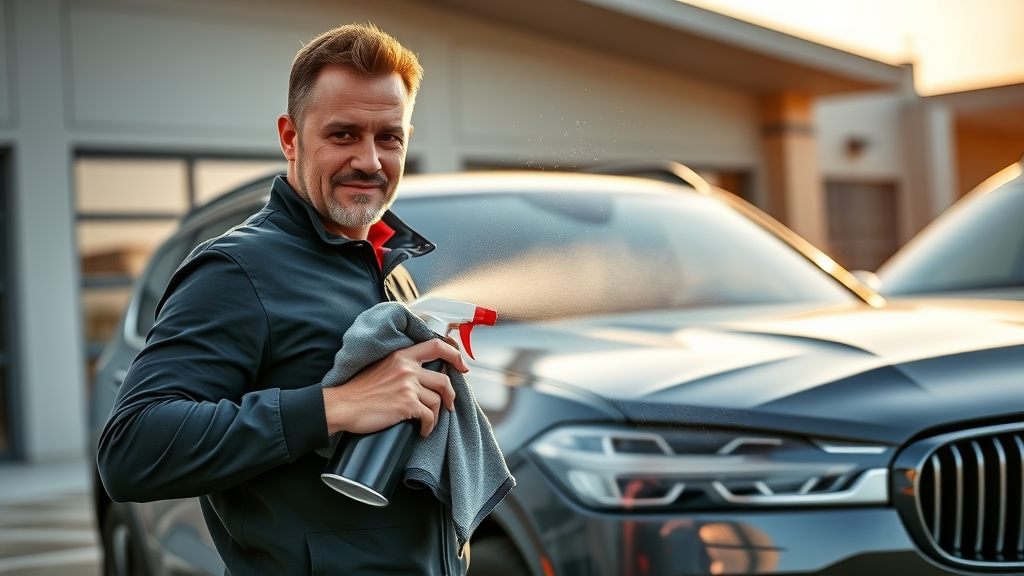
Regularly using a quality detail spray or ceramic boost product is a secret weapon for extending your ceramic coating’s glossy, hydrophobic qualities. After each hand wash—ideally once a month or as recommended by the coating manufacturer—apply a ceramic boost using a clean microfiber cloth. Gently mist one panel at a time and lightly buff to a streak-free, glossy finish.
Not all products are created equal. Only use detail sprays and boosters designed specifically for ceramic coatings; generic waxes or polishes can diminish hydrophobic properties or compromise the ceramic layer’s bond. By integrating these simple steps into your routine, you’ll notice your coated car fends off water spotting, dust, and grime far more effectively.
"Use only ceramic boost or detail spray specifically formulated for ceramic coating for optimal results."
Water Spots & Stains: Prevention and Treatment in Ceramic Coating Aftercare
How to Prevent Water Spot Formation on Ceramic Coated Vehicle
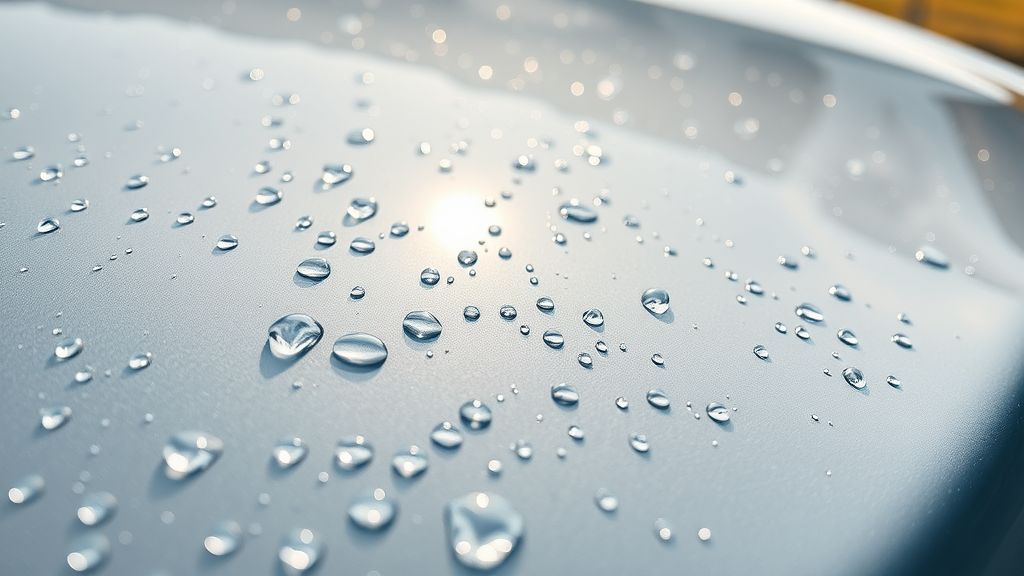
Despite the hydrophobic nature of ceramic coatings, water spots remain one of the most common threats to a pristine finish. These mineral deposits are left behind when hard water evaporates, often after improper drying or rinsing in direct sunlight. The simplest way to prevent water spots on a ceramic coated vehicle is thorough, immediate drying with a dedicated drying towel after every wash.
Avoid washing your car during the hottest part of the day or under direct sunlight. Use filtered or soft water if available. For added protection, a monthly application of ceramic boost or detail spray can enhance hydrophobic properties, making water bead up and slide off even faster, reducing the opportunity for water spotting and mineral build-up.
Quick Solutions for Water Spots and Other Common Issues
Should water spots or other issues crop up, swift action is vital. For mild water spots, use a gentle, coating-safe water spot remover applied with a plush microfiber towel. If swirls start to appear due to improper wash or dry techniques, a professional-grade light polish—or in severe cases, a minor repaint—may be required, but always consult a detailing expert first.
Stubborn contaminants like tree sap, bird droppings, or brake dust should be removed immediately using a ceramic-safe cleaner to avoid etching into your coated surface. The table below outlines common issues, their prevention, and recommended solutions for optimal ceramic coating aftercare.
| Issue | Preventive Step | Solution |
|---|---|---|
| Water spots | Dry immediately after each wash | Use a safe water spot remover for coated surfaces |
| Swirl marks | Two-bucket wash method & grit guard | Light polish recommended by a professional |
| Loss of hydrophobicity | Routine ceramic coat boosting | Reapply ceramic spray as needed |
What to Avoid: The Do’s and Don’ts of Ceramic Coating Aftercare
What Are the Do's and Don'ts of Ceramic Coating?
- List of top 5 mistakes that destroy ceramic coating
- Essential coating aftercare habits for every car owner
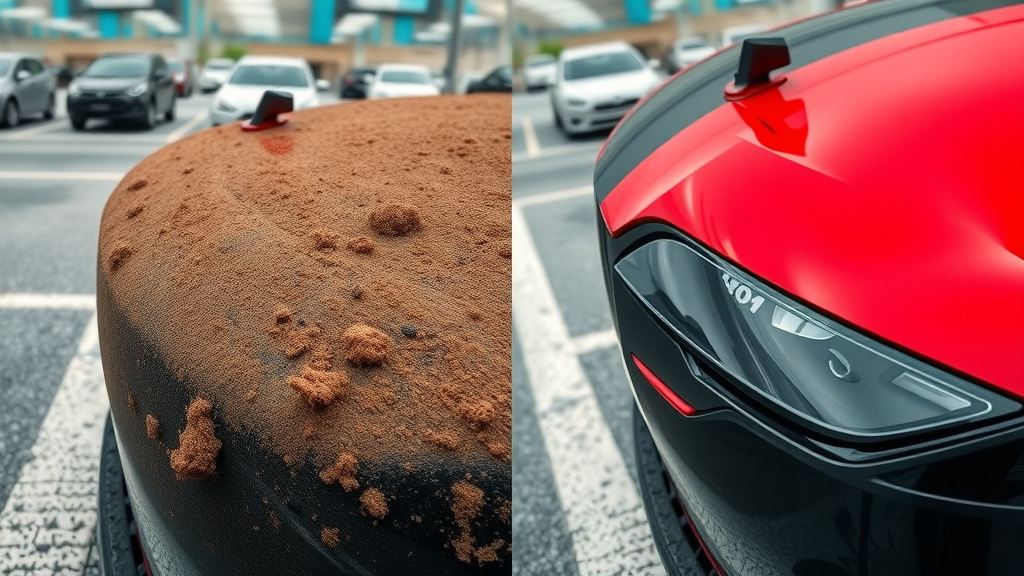
When it comes to coating aftercare, avoiding certain pitfalls is just as important as following the recommended steps. Here are five common mistakes that can utterly destroy your ceramic coated car’s finish:
- Skipping hand wash routines: Automatic car washes use abrasive brushes and strong chemicals that can scratch or strip your ceramic coating.
- Using the wrong car soap: Harsh, high-pH soaps can degrade hydrophobic properties and break down the ceramic layer.
- Neglecting immediate removal of contaminants: Things like bird droppings, tree sap, or water spots can etch and permanently mar your coated surface if left untreated.
- Improper drying: Air drying or using chamois can cause water spots and even micro-scratches. Always blot dry with a clean microfiber towel.
- Ignoring professional inspections: Annual maintenance by a professional installer can detect issues early and restore lost hydrophobicity with a simple ceramic boost.
Addressing Common Challenges: What Destroys Ceramic Coating?
What Destroys Ceramic Coating?
Ceramic coatings are robust, but not indestructible. Common destroyers of ceramic coating include improper wash methods (like harsh scrubbing or using contaminated towels), environmental fallout (excessive tree sap, bird droppings, industrial airborne particles), and exposure to aggressive chemicals not intended for ceramic-coated cars. Even frequent exposure to direct sunlight and hot surfaces can accelerate the breakdown of your coating’s hydrophobic properties.
It’s essential to address these threats immediately—regular inspections and prompt cleaning prevent permanent stains and maintain the effectiveness of your ceramic coat. Rely on products labeled as ceramic coating-safe and always keep a supply of clean microfiber towels and detail spray for unexpected spot touch-ups. With informed ceramic coating aftercare, you have the power to prevent most sources of coating failure.
FAQ: Expert Answers to Top Ceramic Coating Aftercare Questions
What to Do After Getting Ceramic Coating?
After your vehicle receives a brand-new ceramic coating, the first step is patience. Avoid washing or exposing your car to water and contaminants for at least 24-48 hours, and if possible, park indoors to enable a flawless curing process. When it’s safe to start maintenance, use a pH-neutral car soap, wash with a clean microfiber wash mitt, and dry with a dedicated microfiber towel. For continued protection and luster, apply ceramic boost monthly and quickly remove any bird droppings, bug splatter, or water spots as soon as they appear.
Pro Tips for Long-Lasting Ceramic Coating Aftercare
- Adopt a regular car wash schedule using ceramic-safe products
- Avoid parking under trees and in harsh sun for prolonged periods
- Use ceramic boost sprays monthly
- Inspect for water spots and address immediately
- Schedule professional maintenance annually
Key Takeaways: Ceramic Coating Aftercare Essentials
- Ceramic coating aftercare is crucial for vehicle longevity
- Follow the curing process strictly after application
- Use approved car wash, car soap, and microfiber towels
- Avoid common mistakes that lead to coating failures
Conclusion: Protect Your Investment With Proper Ceramic Coating Aftercare
Caring for your ceramic coating is not a set-it-and-forget-it investment—consistent aftercare ensures your car stays protected, glossy, and well-maintained for as long as possible.
Professional demonstration
Professional demonstration: step-by-step process of washing and maintaining a ceramic-coated vehicle, narrated with expert tips, featuring close-up shots of proper techniques, and product recommendations.



Write A Comment