 Add Row
  Add
Add 


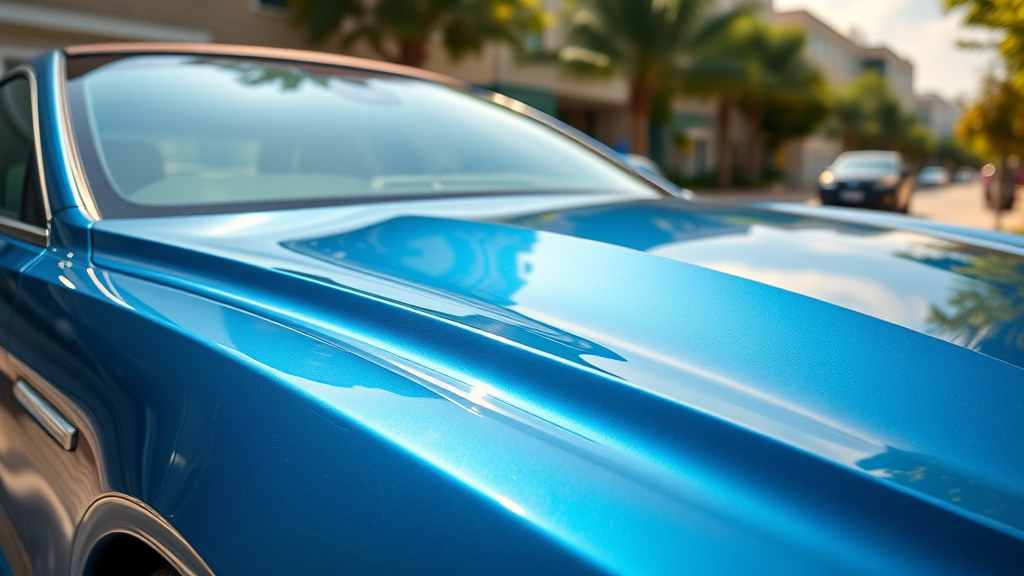
Did you know that ceramic auto coatings can protect a vehicle’s paint for up to five years—outperforming traditional car wax by a huge margin? Discover how ceramic auto coatings create a high gloss finish and long-term protection for your investment.
- The technology and science behind ceramic auto coatings
- Features, benefits, and differences from car wax
- Real-world performance and user experiences
- Cost analysis and value comparison
- Expert insights and reviews to guide your purchase
Understanding Ceramic Auto Coatings: Science, Technology, and Performance
With so many options for paint protection in today’s auto detailing market, ceramic auto coatings stand out for their powerful technology and remarkable durability. Unlike car wax or even premium sealants, ceramic coatings create a chemical bond with your vehicle’s clear coat, delivering long-lasting protection and unbeatable shine. But what exactly are ceramic auto coatings, and how do their technological advances set them apart from traditional products? Whether your goal is to protect your daily driver from UV rays , water spots, and road debris, or you desire a high gloss that outshines any showroom finish, understanding the science behind these coatings is crucial. Let’s explore how innovations like graphene ceramic spray and industry leaders like Chemical Guys and Ceramic Pro are refining the future of car care.
Perhaps you’ve wondered what makes a ceramic coating so superior. Is it truly worth the investment for those seeking both outstanding aesthetics and rigorous ceramic protection ? Examine the building blocks of this technology to discover why more car owners are retiring their wax in favor of a modern protective layer that redefines vehicle preservation.
What Are Ceramic Auto Coatings and How Do They Work?
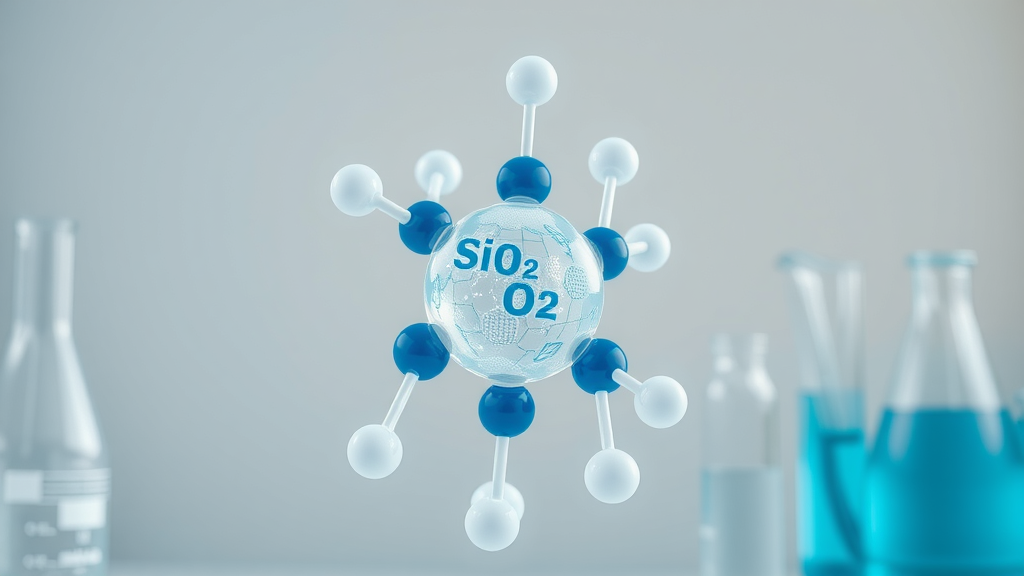
- Definition and chemical structure of ceramic auto coatings: Ceramic coatings are nanoscopic, liquid polymers—often based on SiO2 (Silicon Dioxide) —that chemically bond to a car’s painted surface. Once cured, they form a transparent but rigid sacrificial layer that shields against contaminants, oxidation, and minor scratches.
- Comparison: ceramic coating vs. car wax: Unlike traditional car wax , which simply sits atop the clear coat and washes away in weeks, ceramic auto coatings offer years of hydrophobic and UV-resistant protection. Waxing might refresh shine for a short period, but frequent reapplication is required. Ceramic coatings offer a 'once and done' barrier when properly maintained.
- The role of SiO2 (Silicon Dioxide) in hardness: The high SiO2 percentage in advanced formulas is the secret to their legendary hardness, scratch resistance, and glass-like finish. Some coatings also incorporate graphene to improve slickness and durability.
- Unique high gloss finish and why it matters: The high gloss provided by ceramic coatings isn’t just about vanity. This mirror-like shine enhances paint depth, resists water spots and water bead issues, and preserves your car’s appearance far longer than wax ever could.
Advances in Ceramic Coat: Graphene Ceramic and Pro Options
- What is graphene ceramic spray? A recent breakthrough, graphene ceramic spray , infuses graphene into the formula for heightened toughness and less static—meaning less dust build-up. Users notice prolonged water beading and easier cleaning compared to conventional ceramic sprays.
- Innovations from brands like Chemical Guys and Ceramic Pro: Chemical Guys deliver versatile DIY solutions, while Ceramic Pro is known for its professional-grade, industrial-strength coatings for unparalleled longevity.
- Emerging trends in ceramic coatings and spray technologies: The move toward user-friendly, easily applied sprays has democratized access to ceramic protection. Unmatched hydrophobicity , improved gloss, and protective coating with less residue are rapidly becoming the norm in new product launches.
"Ceramic coatings have revolutionized automotive paint protection, offering durability, hydrophobic properties, and unmatched deep gloss. – Car Care Expert"
Key Benefits of Ceramic Auto Coatings: Protection Meets Aesthetics
Ceramic Protection and High Gloss: Why Enthusiasts Choose Ceramic Auto Coatings
- UV resistance and chemical defense: Ceramic coatings form an almost invisible shield that blocks UV rays , preventing paint fading and oxidation, while also providing resistance to tree sap , bird droppings , brake dust , and environmental chemicals. This engineered defense helps maintain paint clarity and vibrancy, even in harsh climates.
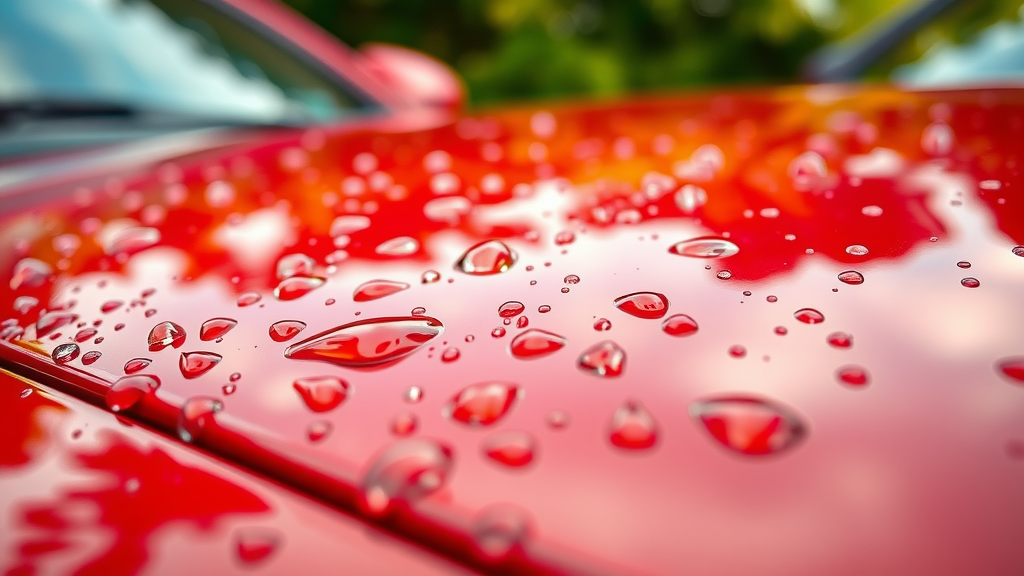
- Water beading and self-cleaning properties: One standout feature is the hydrophobic surface, causing water and contaminants to bead and roll off. This water bead effect not only makes your next car wash far easier but also reduces the risk of water spots and etching, which can dull paint over time.
- Paint depth and enhanced shine: With ceramic coatings , your paint achieves unrivaled depth and a high gloss finish. This shine is both rich and reflective, ensuring your car stands out whether it’s on the boulevard or the showroom floor.
Comparison Table: Ceramic Auto Coatings vs. Traditional Car Wax
| Feature | Ceramic Auto Coatings | Car Wax |
|---|---|---|
| Durability | 2-5+ years | Weeks to months |
| Gloss | High gloss, deep shine | Moderate shine |
| Maintenance | Easy, requires less frequent reapplication | Frequent reapplication |
| Protection | UV, chemical, hydrophobic | Basic protection |
| Cost | Higher upfront | Lower upfront |
Ceramic Pro, Graphene Ceramic, and Top Brands Reviewed
- What makes Ceramic Pro and Chemical Guys stand out? Ceramic Pro is revered for its multi-layer approach and extensive warranty, making it a favorite for high-end vehicles and collectors. Chemical Guys , on the other hand, shine with their ease of use and DIY accessibility, perfect for enthusiasts and beginners alike.
- Graphene ceramic spray value for daily drivers: For the daily driver , graphene ceramic spray formulas offer long wear-times, less dust retention, and stellar ceramic protection even in commuter traffic, urban grime, or heavy weather.
- User ratings and product longevity data: Reviews consistently show satisfaction with both performance and longevity, especially when paired with regular maintenance. Owners note lasting high gloss and water beads that make frequent washing fast and efficient.
How to Apply Ceramic Auto Coatings: Processes, Preparation, and Tips
DIY Application vs. Professional Ceramic Coat Installation
- Preparation: cleaning, clay bar, correction: A flawless finish starts with proper prep—a thorough car wash , followed by clay barring to remove bonded contaminants, and, when needed, paint correction to eliminate swirl marks or scratches. This ensures the ceramic coating chemically bonds to a pristine surface.
- Ceramic spray and liquid options: DIY users often choose ceramic spray applied from a spray bottle for quick protection, while those seeking longer performance may opt for a traditional liquid application. Quality and protection levels vary, so match your product to your goals.
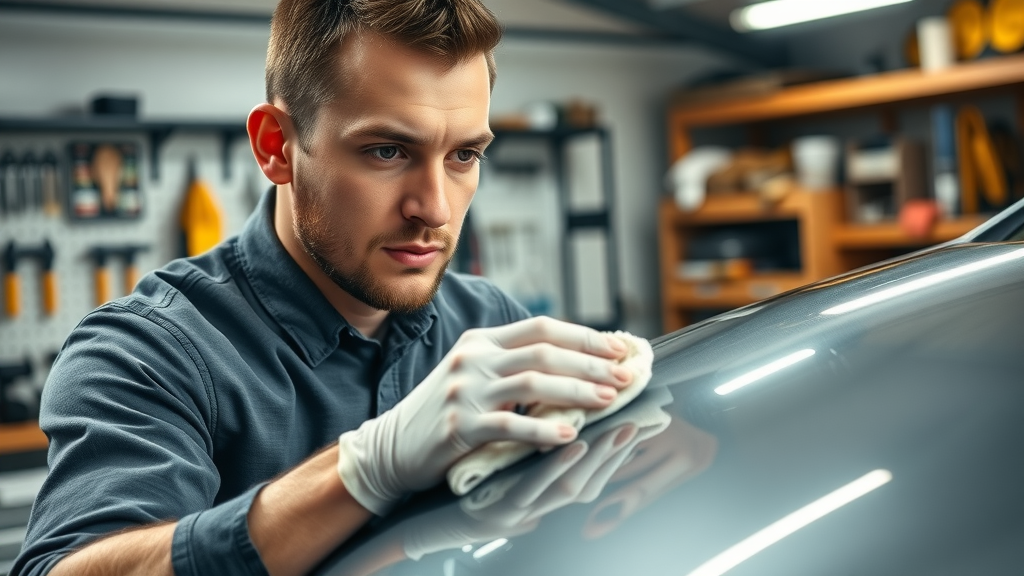
- Step-by-step process at home: With careful attention, applying ceramic auto coatings at home is achievable for many. Just follow the instructions—applying evenly, allowing proper cure time, and buffing gently for that high gloss look.
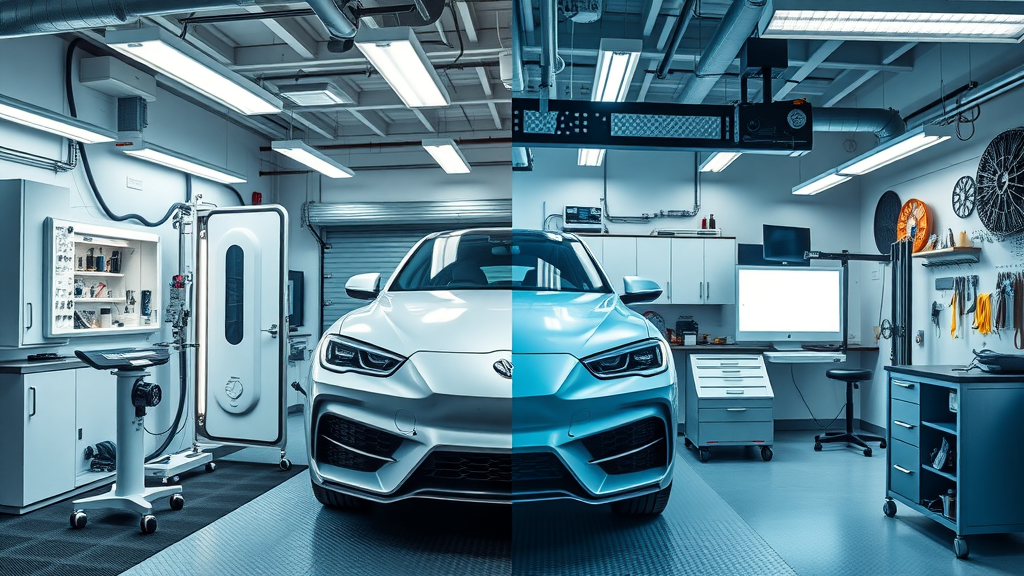
- Professional application: costs, equipment, and expertise: Pro shops offer next-level results, leveraging controlled environments, specialized lights, and years of technique. While more expensive upfront, the results can exceed even top-tier DIY applications and are often backed by warranties.
Watch: Expert Guide on How to Apply Ceramic Coating at Home vs. Professional Service
Common Mistakes and How to Get a Flawless High Gloss Finish
- Avoiding streaks, hazing, and uneven coats: Working methodically in small sections, using quality microfiber applicators, and following cure times is essential. Mistakes like over-application or missing spots lead to uneven gloss and frustrating water spot issues.
- Correcting errors and reapplication tips: If streaks or hazing occur, re-polishing and reapplying the coating to just the affected section can restore clarity. Patience and a good protective layer will ultimately pay off.
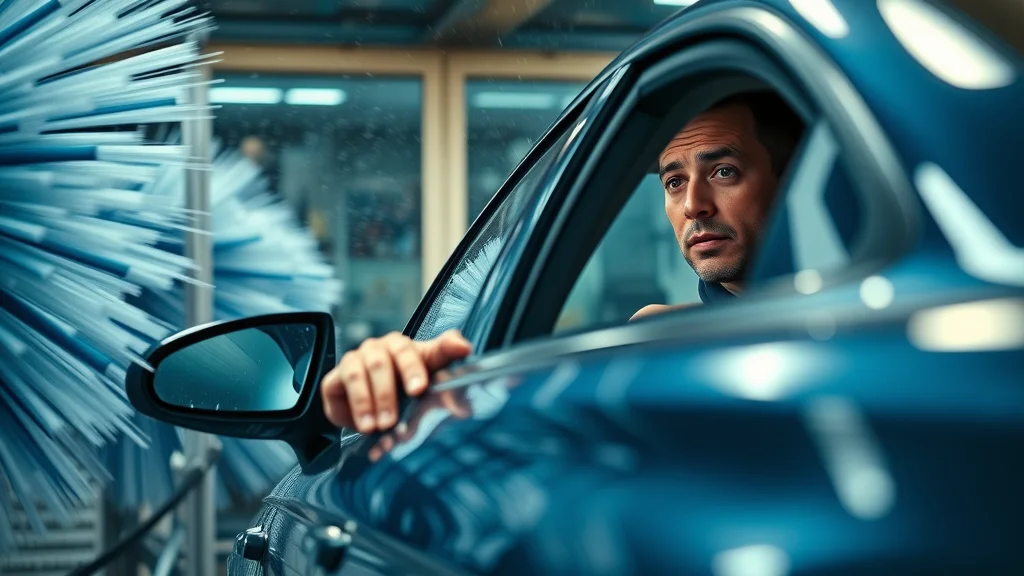
- Maintenance: best car wash practices after coating: Favor touchless washes or hand car wash methods with a pressure washer and pH-neutral soaps. Avoid abrasive sponges or brushes that degrade the coating product over time. Consistent care keeps your coating’s hydrophobic effect and gloss at their peak.
Reviews and Performance: Real-World Results of Ceramic Auto Coatings
Ceramic Coating on Daily Drivers: Is It Worth the Investment?
- Testimonies from daily driver owners and enthusiasts: Owners of daily drivers across varying climates report easy cleaning, resistance to bug splatter and brake dust , and residual shine that persists for years. The hydrophobic properties help reduce the frequency of washes and make routine maintenance a breeze.
- Combined effects of ceramic protection in different environments: Whether the vehicle faces salted winter roads, harsh sun, or urban pollutants, users say that ceramic protection shields not just against UV rays but also daily contaminants like tree sap and bird droppings —preserving both color and value for the long term.

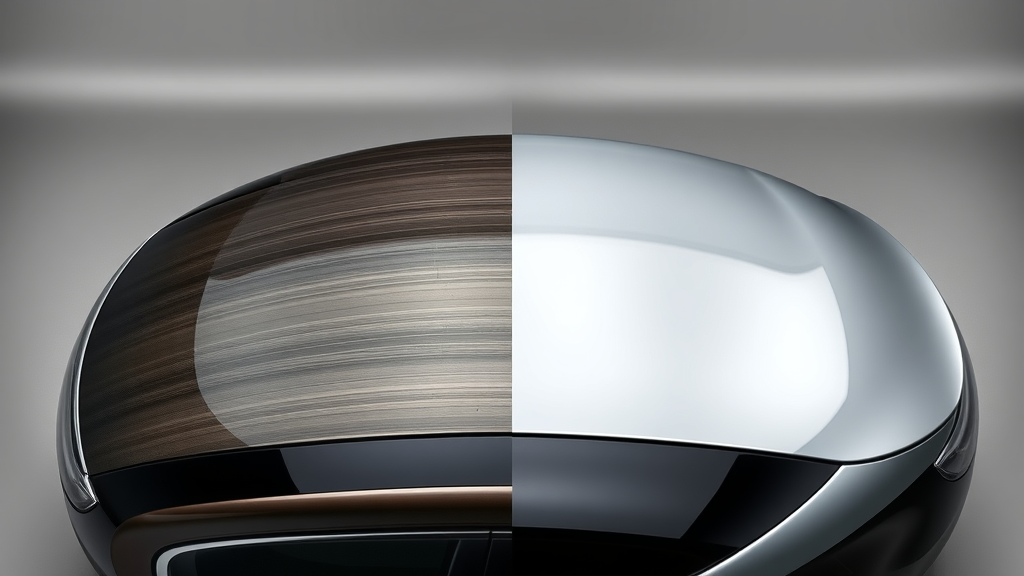
Diagram: Before & After High Gloss Finish on a Ceramic Coat
See: Real Life Examples of Ceramic Coated Cars—Gloss, Water Beading, and Durability Effects
- Is ceramic coating on a car worth it?
Evaluating the Long-term Value of Ceramic Auto Coatings
- Protection duration vs. traditional options: With most ceramic coatings offering two to five years—or more—of resilient protection, the need for frequent re-application like car wax disappears. This longevity pays off, especially when considering the cumulative costs and time spent waxing.
- Savings in car washes and paint correction: Fewer, faster cleanings mean less money spent at the car wash and on detailing products. Additionally, the reduction in paint damage can keep paint correction costs to a minimum over the vehicle’s lifespan.
- Resale value impact: Maintaining a flawless finish and eliminating swirl marks, water spots, and other blemishes preserves resale value—sometimes adding hundreds or even thousands to your car’s bottom-line worth.
- What is the downside of ceramic coating?
Potential Drawbacks and Limitations of Ceramic Auto Coatings
- Cost, installation intricacies, and need for periodic maintenance: The upfront price of both the coating product and professional application can be steep compared to car wax . DIY errors—like improper prep or uneven application—may require costly corrections or even reapplication by a professional.
- Not a substitute for paint correction or repair: Ceramic coatings are a protective coating , not a fix for existing damage. Swirl marks, chips, or underlying clear coat issues may be highlighted or sealed beneath the layer if not addressed prior to coating.
- How much does it cost to ceramic coat an entire car?
Price Breakdown for Ceramic Auto Coatings: DIY vs. Professional
- Typical price ranges: product and professional install: DIY ceramic coating kits range from $50 to $150. Professional application services—especially for Ceramic Pro or high-end multi-layer coatings—can run from $800 to $2,500 or more, depending on number of layers, warranty, and vehicle size.
- Key factors that influence cost: size, prep, product: Larger vehicles, older paint in need of correction, or premium products (like graphene ceramic or Ceramic Pro) will push costs higher. Maintenance expectations and warranty periods also influence the final quote.
- How long do ceramic coatings last on a vehicle?
Lifespan and Durability Expectations for Ceramic Auto Coatings
- Manufacturer claims vs. real-world longevity: Some manufacturers advertise up to 7+ years, but 2–5 years is more realistic for most users, depending on maintenance and the product applied.
- Factors: maintenance, car wash routine, climate: The coating’s long-term success is closely tied to how you care for your vehicle. Frequent high-pressure washer use, abrasive washes, acidic residues, and harsh climates may shorten lifespan, while gentle hand-washes and regular upkeep maximize your protection.
Watch: Durability Test – How Do Ceramic Auto Coatings Hold Up Over Time?
FAQs: Everything Else You Should Know about Ceramic Auto Coatings
-
Can you apply ceramic coatings over existing wax?
No. For proper chemical bonding and maximum longevity, all car wax , sealants, and surface contaminants must be fully removed before applying a ceramic coat. Otherwise, adhesion will be poor and protection compromised. -
Are graphene ceramic sprays really better?
Graphene ceramic spray products show enhanced slickness and dust resistance compared to traditional formulas. However, their longevity and absolute protection may still trail high-end professional ceramic coatings, but they are a strong option for daily drivers wanting easy application. -
How to maintain the high gloss after application?
Use a gentle, pH-neutral soap, avoid abrasive wash tools, and periodically touch up with compatible ceramic spray or quick detailers. This keeps the high gloss and hydrophobic properties fresh for the long haul. -
Does ceramic protection affect resale or insurance?
Yes. A well-maintained, swirl-free, shiny finish can boost resale value, making your car more attractive on the market. While insurance doesn’t directly factor in coatings, better-preserved paint can minimize claims from clear coat or environmental damage.
Making the Decision: Is Ceramic Auto Coating Right for Your Vehicle?
- Key takeaways: Ceramic auto coatings deliver lasting protection , shine , and easier maintenance, though they demand proper installation and a higher upfront cost. If you value a consistently clean, brilliant car with less frequent detailing, ceramic is a smart investment.
- Who benefits most: Daily drivers , car collectors, and business fleets all gain from enhanced protection and visual appeal—keeping vehicles looking newer, longer.
- Product recommendations based on use case and budget: For weekend warriors and enthusiasts, Chemical Guys ceramic sprays excel. For show cars or long-term owners, professional applications like Ceramic Pro or graphene-enhanced formulas offer the ultimate resilience.
"A quality ceramic auto coating isn’t just an investment in shine — it’s a shield for your vehicle against time, weather, and wear."
Ready to Experience a Lasting Shine? Choose the Right Ceramic Auto Coating for Your Car
- Explore leading ceramic auto coating brands and take the first step towards preserving your vehicle’s high gloss. Invest today for protection that lasts.
Take Action Now: Protect your investment and enjoy a stunning, high gloss finish for years to come by choosing the best ceramic auto coating for your needs. Compare top brands, consider your application method, and experience the difference instantly.
Sources
- Chemical Guys
- Ceramic Pro
- The Drive: Best Ceramic Coatings for Cars
- Car and Driver: Ceramic Coating Explained
- Autogeek Forum: Are Ceramic Coatings Worth the Hype?
- AvalonKing: Ceramic Coating vs. Wax vs. Sealant
To further enhance your understanding of ceramic auto coatings, consider exploring the following resources:
- “Ceramic Coating: What is it? Different Types Of Ceramic Coating” ( ratcliffeautospa.com )
This article provides valuable insights into ceramic coatings, including their definition, available types, benefits, and essential considerations.
- “Ceramic Coatings: Everything You Need to Know” ( autotrader.com )
This resource offers a comprehensive overview of ceramic coatings, detailing their advantages, application processes, and maintenance tips.
If you’re serious about protecting your vehicle’s paint and achieving a lasting shine, these resources will provide you with the knowledge and guidance needed to make an informed decision.



Write A Comment