 Add Row
  Add
Add 


Have you ever wondered if you’re truly protecting your vehicle—or just hoping those expensive waxes and detailing routines are enough? The car ceramic coating process promises to transform your car’s look and shield it like never before. But what does it really take? In this expert-backed, step-by-step guide, you’ll uncover what every driver must know about applying, maintaining, and reaping the long-term rewards of a ceramic coat—without falling for industry hype or common mistakes.
Are You Making the Most of the Car Ceramic Coating Process?
If you own a car, chances are you've heard about the rise of ceramic coatings. But are you maximizing their true potential? The car ceramic coating process isn't just a trend—it's a superior way to protect your vehicle against age, environmental hazards, and everyday wear. Knowing how to apply ceramic coating, what steps are involved, and how to avoid common pitfalls ensures you get the luster and durability your investment deserves.
By mastering this process, you'll be able to enjoy a gleaming, water-repellent finish that outlasts traditional waxes and sealants. But it’s not just about reading the product label; it’s about the right prep, the correct tools, and long-term care. Whether you choose a DIY approach or a professional ceramic coating service, these insights can save you a long time and ensure your vehicle looks showroom-fresh for years. Let's dive into the essentials and benefits that set the ceramic coat apart from outdated alternatives.
- The essentials and benefits of the car ceramic coating process
- Step-by-step instructions on how to apply ceramic coating to your car
- How to avoid common mistakes in ceramic coating
- Professional insights on ceramic coatings and paint protection
- Answers to top questions drivers ask about ceramic coating
Comparison of Ceramic Coating vs. Wax and Sealant
| Feature | Car Ceramic Coating | Carnauba Wax | Synthetic Sealant |
|---|---|---|---|
| Durability | Up to 5 years | 2-3 months | 6-12 months |
| Gloss/Finish | High | Moderate | High |
| Water Repellency | Excellent | Good | Good |
| UV Protection | Excellent | Good | Moderate |
| Ease of Application | Moderate/Complex | Easy | Easy |
Understanding the Car Ceramic Coating Process and Why It Matters
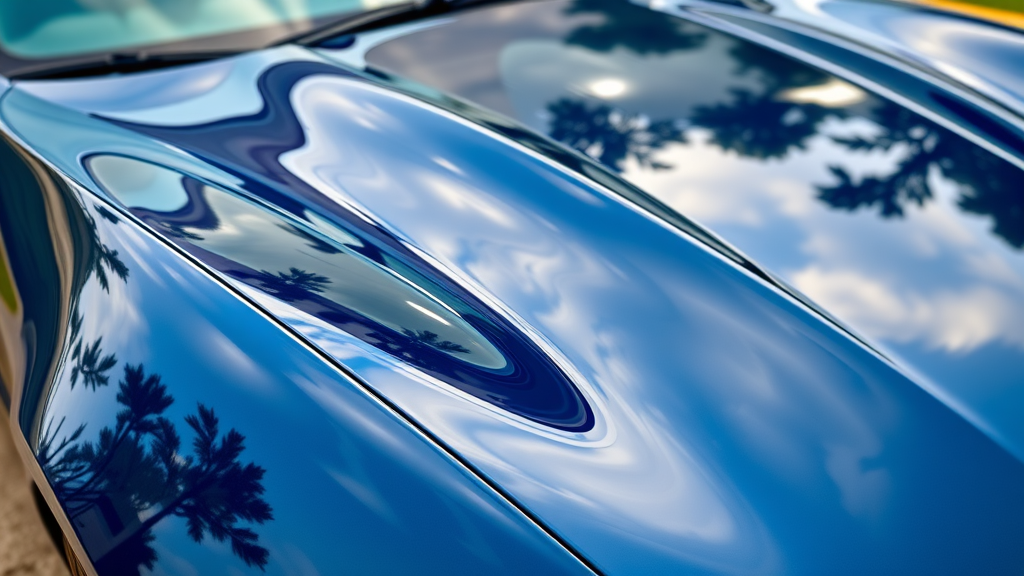
The car ceramic coating process is much more than a cosmetic upgrade. It's a protective science, using advanced materials to safeguard your vehicle’s paintwork. Ceramic coatings, applied in liquid form, chemically bond with your car’s clear coat, creating a permanent or semi-permanent shield that’s resilient and hydrophobic. But what does this mean for your daily driving experience and long-term maintenance?
Unlike wax or conventional sealants—which tend to wash off or degrade quickly—the right ceramic coating product forms a durable layer that resists UV rays, bird droppings, dirt and grime, tar, and swirl marks. As coating pros point out, this layer is not only about looks, but about value retention, ease of cleaning, and extended paint life. With a proper application, your car stays glossier and cleaner for a long time, making both maintenance and resale far more rewarding.
Let's dig deeper—starting with answering the buzz: What is ceramic coating, and does the process live up to the hype?
What Is Ceramic Coating? Cutting Through the Hype
Ceramic coating is an advanced nanotechnology-based liquid polymer applied to a car's surface. When cured, it creates a chemical bond with the factory paint, forming a rigid, transparent layer. This “glass-like” protective covering isn’t just marketing—ceramic coatings provide real-world defense against water spots, chemicals, and harmful UV rays, delivering unmatched levels of gloss and smoothness.
While some may call it a “miracle solution,” the truth is, it’s not impenetrable. A ceramic coat makes your paintwork more resilient but doesn’t render it bulletproof. It is, however, a far leap from wax and sealants, and proper application plays a huge role in realizing those benefits. The car ceramic coating process requires precision—if rushed, skipped, or applied to imperfect surfaces, the results and longevity are easily compromised.
Still, with attention to prep (like paint correction and clay bar treatment), a ceramic coating can elevate your car’s appearance and protection for years at a time rather than mere months.
How Does the Car Ceramic Coating Process Protect Your Vehicle?
When a ceramic coating is applied correctly, it acts as an invisible shield against the elements. This nanolayer preserves the integrity of your paint by repelling water, dirt, and grime while resisting high heat, chemicals, oxidation, and UV damage. It minimizes the impact of light scratches or swirl marks and makes regular washing far quicker and easier. The hydrophobic qualities mean that contaminants slide off with minimal effort, reducing the risk of micro-marring from scrubbing or harsh detergents.
More importantly, a quality ceramic coat offers sustained gloss that keeps your car looking new. The curing process ensures this shield hardens and lasts—often up to five years with routine care. And while the application may seem complex compared to quick sprays or wipes, the payoff in sustained aesthetic and resale value is considerable, making it a favorite among car enthusiasts and those seeking premium paint protection.
"A professional ceramic coating isn't just about aesthetics—it’s a shield that preserves your investment for years."
Step-by-Step Guide to the Car Ceramic Coating Process
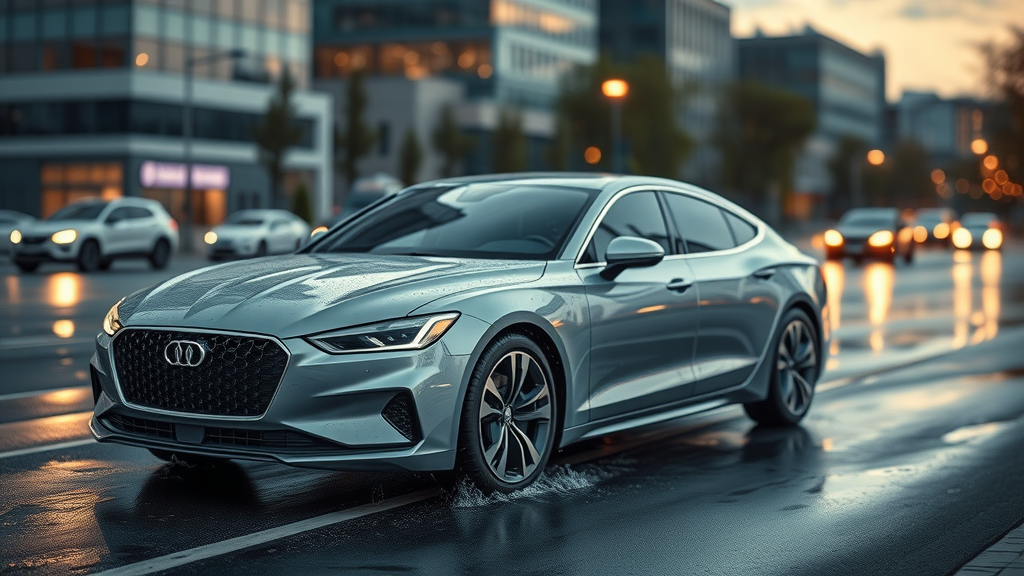
Getting the best from the car ceramic coating process depends on following the right steps. Skipping or rushing through stages can limit the durability and finish. Here’s a comprehensive breakdown to help you apply ceramic coating to your car like a pro.
- Preparation: Washing and Decontamination
Begin by thoroughly washing the car, removing all dirt and traffic film. Decontamination steps—using iron removers or tar removers—ensure the paint surface is perfectly clean, setting a solid foundation for the ceramic coat. - Clay Bar Treatment for a Flawless Surface
Use a clay bar to eliminate embedded contaminants like tree sap, bug residue, and industrial fallout. This step ensures a truly smooth, flawless surface, essential for the ceramic coating to bond correctly. - Paint Correction for Maximum Ceramic Coating Results
Perform paint correction as needed. This may involve polishing out fine scratches, swirl marks, or oxidation. The smoother and cleaner the paint, the more effective and dramatic your ceramic coat results will be. - Applying a Ceramic Coating: Detailed Steps
With prep complete, move to the application . Use an applicator pad to evenly spread the ceramic coating product, following the specific instructions (including crosshatch motions and cure time). Work in small sections to prevent high spots or streaking. - Final Inspection and Curing
Inspect the whole vehicle for missed areas or uneven coverage. Allow the coating product to cure per manufacturer guidelines—often requiring overnight protection from moisture and direct sunlight for optimal durability and performance.
Using a Clay Bar: Essential for Perfect Ceramic Coating
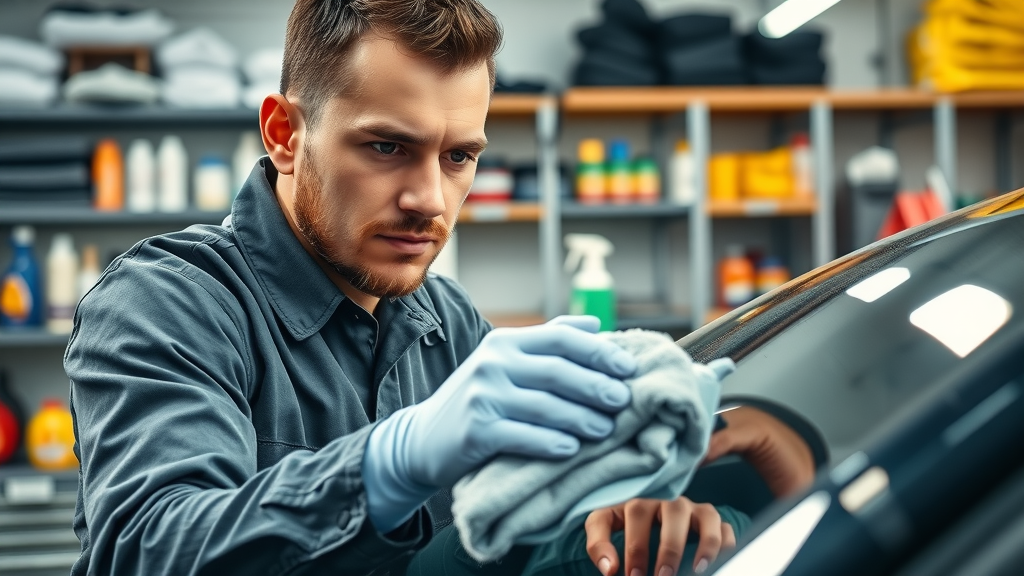
The clay bar step is integral to prepping your car for a ceramic coat. Even after washing, microscopic contaminants can embed themselves into the paint, inhibiting the bond of your ceramic coating product. A clay bar glides along lubricated surfaces, lifting stubborn particles and leaving a glass-like finish.
Failing to use a clay bar before applying a ceramic coating can result in imperfections or “high spots” where dirt was trapped beneath, impacting aesthetics and potentially shortening the coating’s lifespan. To get optimal results, always allocate sufficient time to this step and use fresh lubrication—never let the surface dry out mid-treatment. Afterward, wipe down with a clean microfiber towel before paint correction.
This attention to detail ensures the coating bonds directly with the paint, not soils or residues, maximizing the benefits of the ceramic coat.
Paint Correction: Removing Imperfections Before Applying Ceramic Coating
Paint correction is the process of mechanically polishing the surface to remove swirl marks, minor scratches, and oxidation. Even new cars can have imperfections from manufacturing, shipping, or dealer prep. A paint correction stage makes a dramatic difference—the smoother the paint, the deeper the resultant gloss from the ceramic coating.
Using the right compounds and pads, work panel by panel, inspecting progress under direct lighting. If skipped, the ceramic coating will “lock in” those imperfections, making them more noticeable under the semi-permanent, glass-like finish. Investing effort here means a truer reflection and longer-lasting, stunning results compared to waxing over defects. Finish with a thorough wipe-down to remove any polishing residues before moving to the ceramic coating application.
Applying Ceramic Coating: DIY vs. Professional Ceramic Coating Services
One of the biggest questions drivers face is whether to attempt the car ceramic coating process themselves or seek a professional ceramic coating service. Both have their pros and cons. DIY kits can save money and offer adequate protection if you’re careful with prep and application. However, professional ceramic coating services bring higher-end products, expert paint correction, and a controlled environment—crucial for optimal curing and final appearance.
Time, budget, experience, and the requirements of your specific finish will determine which path is right for you. Keep in mind: improper DIY work can lead to streaks, uneven gloss, or premature failure—issues rarely seen with experienced coating pros. For truly flawless results, especially on prized or luxury vehicles, many opt for pro assistance at least for the initial application, then maintain at home with aftercare routines.
Tools and Products Needed for the Car Ceramic Coating Process
Whether you go DIY or professional, certain tools are essential for proper car ceramic coating process execution. Foremost among them are premium microfiber towels for buffing and residue removal, your chosen ceramic coating product (read reviews and third-party tests for longevity and gloss), and soft applicator pads to ensure an even layer.
- Microfiber Towels
- Ceramic Coating Product
- Applicator Pads
- Isopropyl Alcohol
- Nitrile Gloves
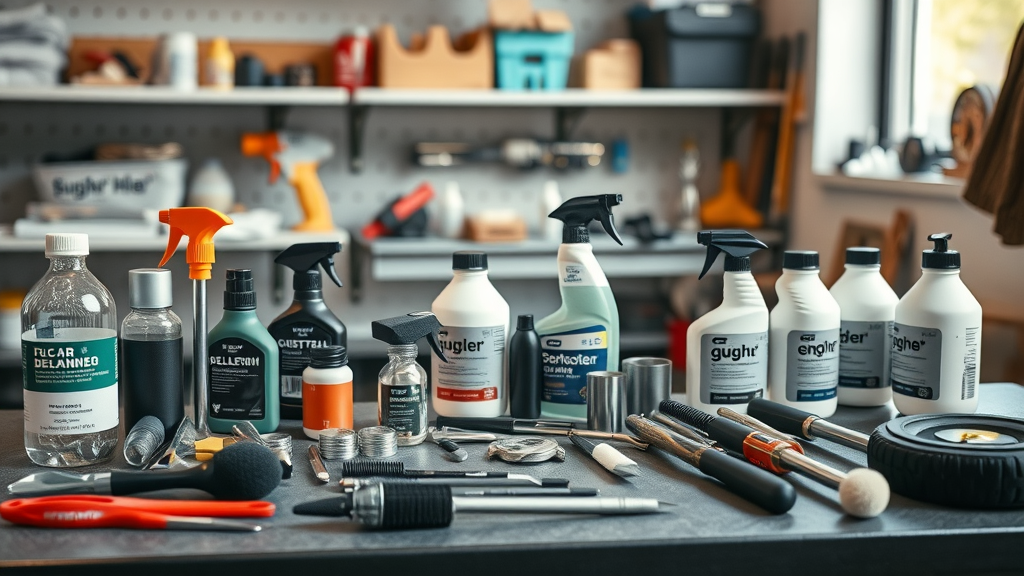
Don’t forget isopropyl alcohol for the wipe-down—this removes lingering oils and ensures maximum molecular bonding of the coating. Nitrile gloves protect your skin from chemicals and ensure a lint-free finish. Having these products organized and ready helps achieve consistent, professional-level outcomes, whether you're applying a ceramic coating at home or at the shop.
Step-by-Step: How to Apply Ceramic Coating to Your Car
Here’s a distilled guide to applying a ceramic coating for excellent results:
1. Thoroughly wash, decontaminate, and clay bar the car.
2. Complete paint correction to remove any swirl marks or light scratches.
3. Use isopropyl alcohol and a microfiber towel to clean the surface.
4. Wearing gloves, dispense the ceramic coating product onto the applicator pad.
5. Apply in small, manageable sections using a crosshatch pattern for uniformity.
6. Wait the recommended “flash time,” then gently buff with a clean microfiber towel to remove residue.
7. Repeat section by section until the entire car is covered.
Let the car cure indoors or out of direct sunlight for the period specified by the coating product. Patience during curing pays off in gloss, water repellency, and durability. “Proper application is key”—rushing can lock contaminants in or cause streaking.
When to Seek a Professional Ceramic Coating Specialist
You should consider contacting a professional ceramic coating specialist if your vehicle’s paint requires extensive correction, or if you want maximum protection, warranty coverage, and perfect finish. Professionals use top-tier coating products unavailable to most DIYers, and work in temperature- and dust-controlled environments for flawless results.
If you’re short on time, lack the equipment, or simply want peace of mind, a coating pro is a worthwhile investment. Their expertise can significantly prolong the life of your coating and minimize risks of application missteps. As with any auto service, check reviews, before/after photos, and ensure the shop follows best practices for prepping your car and the curing process.
Ceramic Coating Aftercare: Ensuring Longevity and Maximum Protection
Maintenance is critical for the continued success of the car ceramic coating process. While ceramic coatings provide robust defense, routine care extends their effective life and keeps your car’s finish looking like new. Simple maintenance habits can make all the difference—from the way you wash your car to protecting it during the early curing stages.
Routine Maintenance for Your Car Ceramic Coating
Establish a gentle, regular washing routine using a pH-neutral soap and soft wash mitt. Avoid harsh chemicals or abrasive tools that can compromise the coating, and always use clean microfiber towels for drying. Bi-weekly washes keep dirt and grime from embedding in the surface, making future cleans less laborious.
Inspect the surface for water spots, which can be removed quickly before they etch into the coating. Maintaining a “just coated” shine is easier when you stay consistent with your maintenance. Do not use wax, as ceramic coatings are designed to shed contaminants and remain glossy without extra products. As needed, use a designated ceramic “booster spray” for added slickness and hydrophobicity.
What Not to Do After Applying Ceramic to Your Car
After the ceramic coating is applied, certain actions should be strictly avoided—at least until the curing process is complete. Never wash the car or expose it to harsh chemicals for the first 5-7 days post-application; this period is crucial for the coating to harden and achieve maximum protection.
Keep your vehicle away from direct sunlight and rain right after application if possible. Avoid automatic car washes with stiff brushes, and do not use abrasive cleaners or rough towels, which can cause swirl marks or damage the coating’s structure. Skipping proper aftercare can negate much of your effort and investment.
"A well-maintained ceramic coat can preserve your car’s showroom shine for years."
Benefits of the Car Ceramic Coating Process Every Driver Should Know
The advantages of the car ceramic coating process go beyond a fresh-from-the-showroom look. Here are the benefits every driver should know:
- Superior gloss and shine
- Extended paint life and protection
- Resistance to stains, dirt, and UV damage
- Easier cleaning routines

Ceramic coatings provide years of effortless maintenance, resistance to chemical etching from acidic contaminants, and preserve vehicle value for resale. The combination of high-gloss finish and water-repellent technology makes this a favorite for both daily drivers and enthusiasts alike.
Myths and Misconceptions About Ceramic Coat for Cars
Many drivers fall victim to myths about ceramic coatings. One misconception is that a ceramic coat makes your vehicle impervious to all forms of damage—while it does guard against environmental wear and light scratching, it’s not a substitute for safe washing or good habits. Another myth is that ceramic coatings eliminate the need for any wash or aftercare; proper maintenance is still essential for long-term results.
Understanding these facts ensures realistic expectations, especially when comparing ceramic coating to wax and sealant solutions, or when considering a DIY versus professional application. Let’s clarify the differences and the real risks and rewards of each route.
Ceramic Coating vs. Wax and Sealant: What Drivers Need to Know
Comparing ceramic coating to waxes and sealants highlights key differences. While wax can increase shine and provides short-term protection, it wears off quickly under sun, rain, or washing the car. Synthetic sealants offer more durability but still need to be reapplied every few months. Ceramic coatings use nanotechnology for up to five years of fade resistance, UV protection, and hydrophobic effects.
For drivers who want the best investment in their car's longevity and looks, ceramic coatings provide a high level of protection with minimal effort post-application. If you’re using traditional products, frequent reapplication means lost time and less consistent results.
Do-It-Yourself Ceramic Coating: Risks and Rewards
DIY ceramic coating kits can deliver impressive results when applied carefully, but they do come with risks. Without proper surface prep—like clay bar and paint correction—DIY coatings may trap imperfections under a permanent layer, or result in streaks and hazing. The curing process is sensitive to temperature, humidity, and ventilation.
The upside? With patience and careful following of instructions, DIYers can achieve pro-level results for a fraction of the cost. The downside: one mistake and you may need to redo the entire process, or hire a specialist for correction. Always weigh your confidence and experience against the potential downsides before taking the DIY plunge.
Key Factors That Affect Ceramic Coating Results
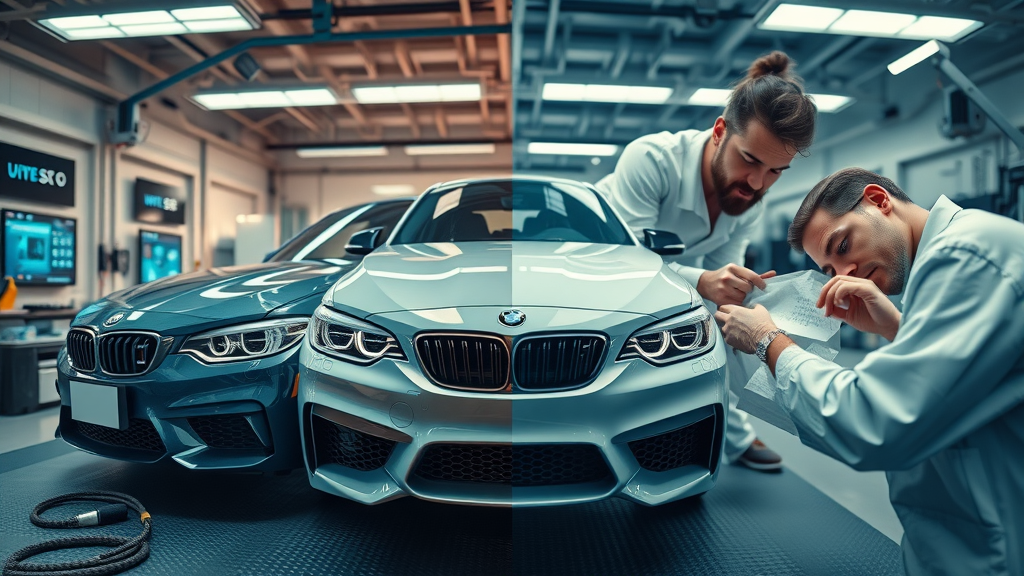
The effectiveness and longevity of the car ceramic coating process depends on several key factors. Quality products, diligent surface prep, and proper environmental conditions can make or break the outcome. Before investing time and money, understand how each variable influences your final results.
Choosing the Right Ceramic Coating Product
All ceramic coating products are not created equal. Top-tier options use advanced chemistry for a harder, thicker, and longer-lasting finish. Cheaper alternatives may offer shine, but lack the long-term protection or ease of application found in leading brands. Check third-party tests and user reviews, and always consider the support or warranty offered by manufacturers.
Your paint type, climate, and usage habits will help determine which coating to a car best suits your needs. Look for products certified for UV, chemical, and scratch resistance for optimal performance.
The Role of Proper Surface Prep in the Car Ceramic Coating Process
Failing to invest in thorough surface prep will undermine even the best ceramic coatings . Skipping the clay bar, paint correction, or proper degreasing with isopropyl alcohol leaves behind oils, swirl marks, or contaminants that can mar the final appearance and reduce adhesion. The more time you spend prepping your car , the better and longer your results will be.
Remember, the ceramic coating product forms a permanent bond—so it locks in any defects underneath. Follow the sequence: wash, decontaminate, clay bar, polish, degrease. This process, though time-consuming, delivers that “show car” finish.
Environmental Factors and Curing Conditions
Temperature, humidity, and exposure during the curing process are crucial. Applying a ceramic coating in direct sunlight or humid, dusty conditions can compromise the product before it sets. Most manufacturers recommend indoor or shaded application, moderate temperature, and waiting at least 24 hours before exposing the car to water or rain.
Be sure to read the detailed instructions for your specific coating product. Some coatings may require multiple layers or boosters, and humidity can dramatically shorten or extend drying times. If in doubt, consult established coating pros or choose a professional ceramic coating service for peace of mind.
Cost, Value, and Return on Investment: Is the Car Ceramic Coating Process Worth It?
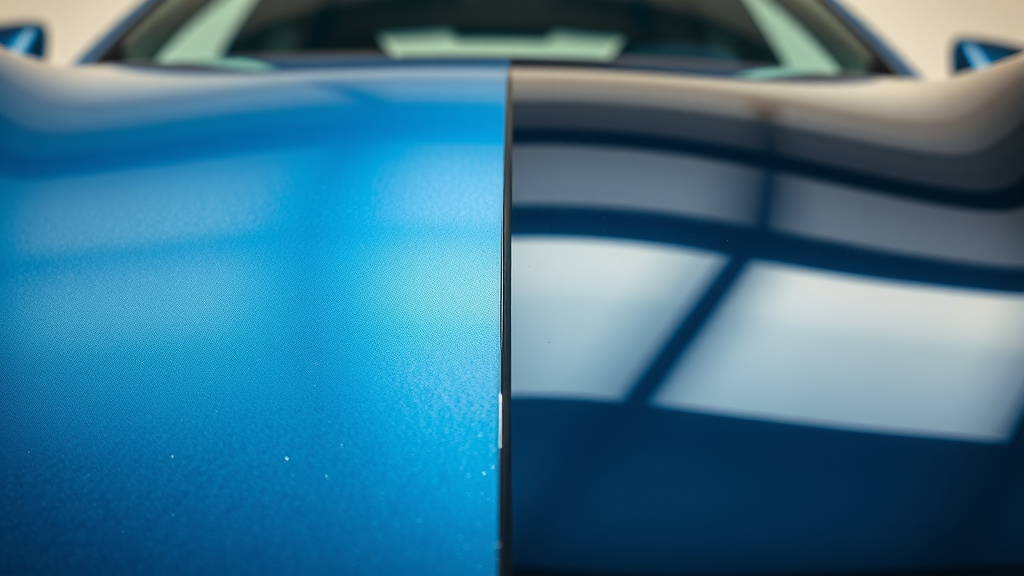
Is investing in the car ceramic coating process justified? Consider not only the initial cost, but also durability, appearance retention, and savings on frequent waxing or paint correction. Here’s a quick cost and value comparison:
| Service Type | Price Range | Avg. Longevity | Warranty |
|---|---|---|---|
| DIY Ceramic Coating | $50 - $200 | 2-3 years | No/Basic |
| Professional | $700 - $2000 | 3-7 years | Yes, Limited |
While professional services come with a higher upfront cost, they often include multi-stage paint correction, guarantee, and stronger materials. DIY options are budget-friendly and can be repeated as needed, but may lack the longevity and polish of a pro job. Determine what makes sense for your car’s value and your maintenance preferences.
Real-World Stories: Impact of the Car Ceramic Coating Process
Car owners report remarkable results from ceramic coatings—vehicles maintaining a just-detailed shine for years, significantly less time spent on washing the car , and increased pride in ownership. Several users note protection against harsh winters, relentless sun, and contaminants that would otherwise dull or damage the paint.
"After applying a ceramic coating, my car retained its new look through harsh winters and relentless sun—well worth the investment!"
Frequently Asked Questions on the Car Ceramic Coating Process
- What is the downside to ceramic coating?
- How long do you have to wait to drive your car after ceramic coating?
- Is ceramic coating good for your car?
- How long does ceramic coating on a car last?
What is the downside to ceramic coating?
While ceramic coatings provide impressive protection and gloss, they are not immune to deep scratches, rock chips, or physical damage. They are more expensive and time-consuming to apply compared to wax or sealant, and incorrect application can result in streaks, high spots, or need for re-polishing. To reap the full benefits and minimize risks, follow best practices and consider a pro application if unsure.
How long do you have to wait to drive your car after ceramic coating?
Most ceramic coatings require an initial curing process of 24 to 48 hours before the car can be safely driven. During this time, avoid exposure to rain, dirt, or direct sunlight. Optimal hardness and chemical resistance develop after about one week—so limit washing and rough handling during this critical period for maximum protection.
Is ceramic coating good for your car?
Absolutely. When correctly applied, ceramic coatings provide years of enhanced gloss, protection from UV and environmental contaminants, and easier maintenance. They outperform waxes and sealants in durability and resistance to stains, water spots, and chemical etching. They are especially beneficial for drivers who want lasting aesthetic and functional benefits with less frequent detailing.
How long does ceramic coating on a car last?
A properly applied ceramic coating can last anywhere from 2 to 5 years, or even longer with routine care and quality products. Professional-grade coatings offer the longest protection, while DIY kits typically need reapplication after a few years. Longevity also depends on driving habits, washing routines, and exposure to harsh environments.
Expert Tips for Achieving the Best Car Ceramic Coating Results
- Always perform a full surface inspection to spot remaining contaminants or imperfections.
- Use high-quality microfiber towels for every step—prep, application, and buffing.
- Allow proper curing time, following the ceramic coating product’s instructions.
- Avoid washing the car for the first week after applying a ceramic coating.
Summing Up: Why Every Driver Should Consider the Car Ceramic Coating Process
"The car ceramic coating process is one of the most rewarding investments a car owner can make for long-term protection and pristine aesthetics."
Dedicate time for surface prep, select high-quality products, and maintain regularly for a finish that stays radiant and protected for years to come.
Sources
To deepen your understanding of the car ceramic coating process, consider exploring the following resources:
-
“How to Apply a Ceramic Coating to Your Car | 7 Step Guide” : This guide offers a detailed, step-by-step approach to applying ceramic coatings, emphasizing the importance of proper curing to ensure optimal protection and longevity. ( bestclearbra.com )
-
“Ceramic Coating for Your Car - What It Is and How You Apply It” : This resource provides insights into the benefits and limitations of ceramic coatings, along with a comprehensive application process to achieve the best results. ( caraudionow.com )
If you’re serious about protecting your vehicle’s paint and achieving a lasting, high-gloss finish, these resources will equip you with the knowledge and techniques necessary for a successful ceramic coating application.



Write A Comment