 Add Row
  Add
Add 


Did you know that 70% of ceramic coatings fail early due to improper care? If you’re investing in ceramic coating for your vehicle, avoiding these common mistakes and embracing expert-proven hacks is the secret to keeping your car’s glossy finish lasting years instead of months. Read on to unlock the science, spot critical pitfalls, and master the art of ceramic coating longevity—starting today!
Unlocking Ceramic Coating Longevity: Why It Matters for Every Car Enthusiast
For every car enthusiast, maintaining that mirror-like, hydrophobic surface is more than just a source of pride—it’s a key strategy for paint protection and resale value. Ceramic coating longevity isn’t just about looks; it represents your commitment to proper car care, regular maintenance, and preserving your vehicle’s finish against UV rays, water spots, tree sap, and harsh weather. Whether you use Ceramic Pro or other top-tier brands, the secret to maximizing the lifespan of your ceramic coat lies in understanding the threats—and responding with the right maintenance routines and products.
Neglect or improper care can rapidly dull that glossy finish and expose your paint to damage. Our guide will help you avoid these common pitfalls by covering the essential practices, environmental factors, and advanced hacks to extend the life of your ceramic coating. By the end, you’ll know how to outperform 70% of vehicle owners who don’t unlock their coating’s full potential.
Startling Fact: The Truth About Ceramic Coating Longevity Revealed
"A staggering 70% of ceramic coatings underperform due to improper care—let’s change that statistic for your vehicle."
What You’ll Learn About Ceramic Coating Longevity
- How to maximize ceramic coating longevity with correct maintenance steps
- Essential ceramic coat hacks to prevent water spots and tree sap damage
- Expert advice on avoiding harsh chemicals and using safe products
- Real-world results from car enthusiasts using professional-grade ceramic coatings
Ceramic Coating Longevity: Understanding the Science
How Ceramic Coat and Ceramic Coatings Protect Paint
Ceramic coatings work as an innovative protective layer that chemically bonds to your vehicle’s paint, forming a resilient shield against contaminants. Unlike waxes or sealants, a ceramic coat offers long-term paint protection from UV rays, road grime, water spots, and environmental conditions like acid rain and bird droppings. This hard, hydrophobic surface repels water, making daily car care and washing your vehicle easier while maintaining a deep, glossy finish.
The real value, however, isn’t just in the application—it’s in proper care. Without the right maintenance, even top-tier ceramic coatings like Ceramic Pro can lose their effectiveness. Learning how these coatings work and why they fail lets you tailor your routines to help them last, preserve that mirror-like reflection, and keep your vehicle protected from the elements year-round.
The Role of Paint Correction in Ceramic Coating Longevity
Paint correction is a critical but often overlooked step that ensures your ceramic coat bonds to a flawless surface. Even small imperfections, scratches, or swirl marks can trap contaminants under the coating, causing a shorter lifespan of your ceramic and robbing your finish of its shine. Before any ceramic coatings are applied, professional detailers recommend a thorough paint correction process to create an optimal surface.
Skipping this step is a common error leading to unsightly blemishes and premature coating failure. Establishing a habit of regular maintenance—including periodic paint inspections—keeps your ceramic coat strong, especially after high-impact events like drive-through car washes or exposure to extreme temperatures.
| Product | Estimated Longevity | Maintenance Requirement | Key Features |
|---|---|---|---|
| Ceramic Pro 9H | Up to 7 years | High (regular inspection & maintenance) | Professional grade, high hardness, superior hydrophobic properties |
| Consumer Spray-On Ceramic Coating | 6 months – 1 year | Moderate (frequent reapplication needed) | Quick application, easy DIY, lower durability |
| Traditional Sealant | 3–6 months | Low (routine washes) | Affordable, easy to apply, least durable |
Critical Factors That Affect Ceramic Coating Longevity
Environmental Conditions: Sun, Rain, and Tree Sap
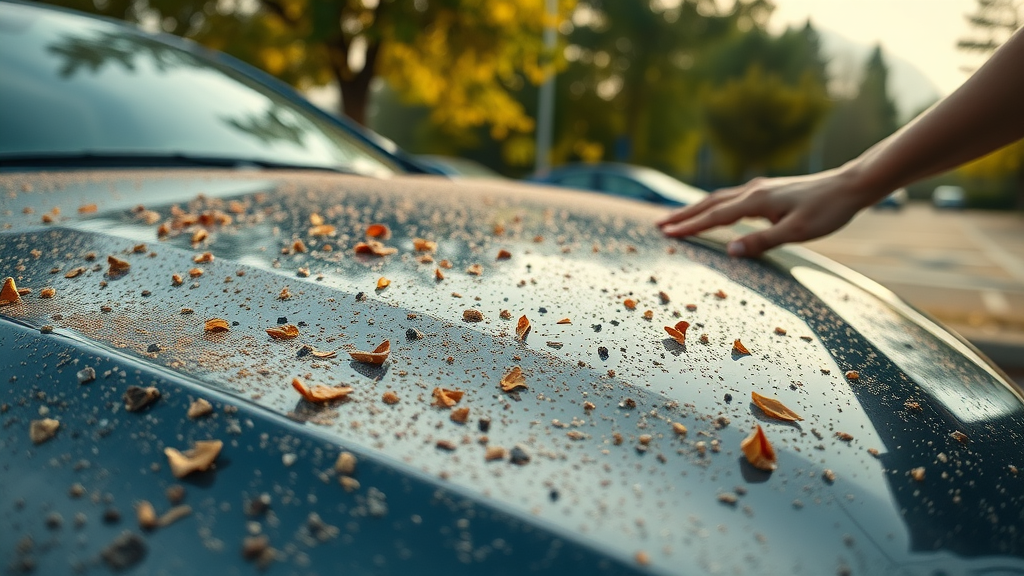
The natural environment is constantly threatening your coating’s integrity. Tree sap and bird droppings can chemically bond to your ceramic coat if left unattended, eventually breaking down its hydrophobic properties. Sun exposure (UV rays) can also accelerate the degradation process, dulling the protective layer over time—especially if your car is parked outdoors without shielding.
Rain, road salt, and extreme temperatures contribute to wear as well. Regularly removing environmental contaminants and promptly addressing incidents like sap and droppings are crucial for ceramic coating longevity. Cover your car when possible, or park in shaded environments to reduce daily exposure and safeguard your investment for years to come.
Harsh Chemicals and Their Impact on Ceramic Coat Durability
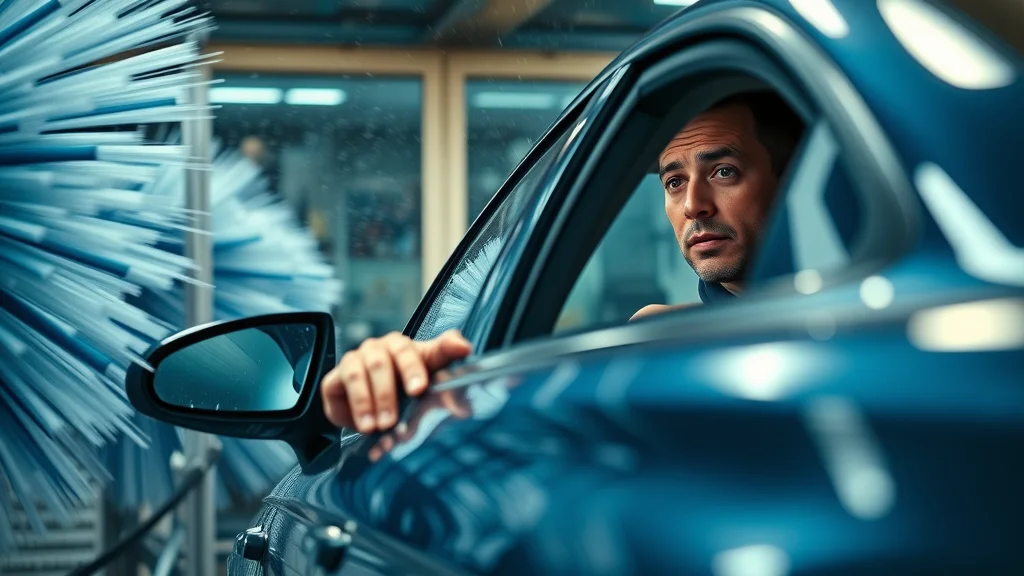
Many car owners make the mistake of using harsh chemicals or abrasive cleaners in hopes of achieving a deep clean. Unfortunately, these products quickly erode the protective layer of your coating, causing it to lose hydrophobic and gloss properties prematurely. Automatic car washes—especially those with stiff bristles or strong detergents—are notorious culprits in shortening your ceramic coat’s lifespan.
Choosing the right car shampoo—specifically pH-neutral formulations—is essential. Always opt for products labeled “safe for ceramic coatings” and avoid anything with strong acids or alkaline ingredients. Gentle, regular maintenance preserves coating integrity and prolongs the protective benefits your investment deserves.
The Effects of Water Spots on Ceramic Coating Longevity
Water spots are not only unsightly but also a sign that your ceramic coating is beginning to fail. Minerals left behind by evaporated water settle on your coating, slowly etching into the protective layer and, if unchecked, reaching your vehicle’s actual paint. Over time, repeated exposure leads to dullness and premature failure of the coating.
To prevent water spots, dry your car after each wash with a soft microfiber towel, avoid washing in direct sunlight, and promptly remove any spots that form. For stubborn spots, use a ceramic-safe water spot remover, and incorporate periodic inspections into your regular maintenance routine—a key hack to keeping your ceramic coat looking flawless.
Demonstration: Spotting Early Signs of Ceramic Coating Failure
Ceramic Coating Longevity Hacks: Maintenance and Protection
Regular Maintenance: Routines to Extend the Life of Your Ceramic Coating
Routine care is the difference between a ceramic coated vehicle that glows for five years and one that loses its shine after twelve months. Weekly washes using pH-neutral car shampoo remove environmental contaminants without harming the protective layer. Monthly quick detail sprays, formulated for ceramic coatings, reinforce hydrophobic properties and help keep tree sap and water spots at bay.
Quarterly paint inspections let you spot early warning signs of wear, such as dullness or loss of water-beading. Promptly addressing these signs—before they deteriorate further—ensures ongoing paint protection and significantly improves ceramic coating longevity. These easy, scheduled routines will save you countless hours and money in paint correction and reapplication.
- Weekly hand washes using pH-neutral shampoo
- Monthly quick detail sprays safe for ceramic coatings
- Quarterly paint inspections and spot treatments
Proper Maintenance Techniques for Ceramic Coating Longevity
Consistency is king with ceramic coatings. Avoiding harsh chemicals and abrasive washing mitts prevents surface scratches and maintains gloss. Use a two-bucket method when washing your vehicle to further minimize swirl marks, and always dry the surface thoroughly to avoid water spots. Investing in gentle microfiber towels and ceramic-safe detailing sprays helps extend the life of your coating while preventing accidental damage.
"Routine and gentle cleaning is the difference between a ceramic coating that lasts one year and one that lasts five." – Auto Detail Expert
For best results, avoid automated car washes in favor of careful hand-washing and ensure quality products are used during all stages of car care. Your attention to proper maintenance has a direct impact on the durability and stunning appearance of your car’s protective ceramic coat.
Expert-Recommended Products for Maximizing Ceramic Coat Performance
The market is crowded, but the best products for ceramic coating longevity are those specifically designed to reinforce and preserve ceramic surfaces. Professional detailers recommend using hydrophobic quick-detail sprays, pH-neutral shampoos, and conditioners that boost the performance of your ceramic coat without introducing abrasive or harmful chemicals.
Look for industry-trusted brands like Ceramic Pro, Gtechniq, and CarPro, all of which offer systems tested to work synergistically with ceramic coatings. Avoid DIY shortcuts, and always check that each product is listed as “ceramic-safe” to prevent undermining your investment.
Ceramic Pro: Professional Approaches to Extended Ceramic Coating Longevity
Ceramic Pro stands out as a leader in the professional-grade ceramic coatings market, engineered for incredible paint protection and superior durability. Their 9H coating not only provides an intense glossy finish but also features industry-leading resistance to harsh chemicals, bird droppings, and UV rays.
Investing in a professional application like Ceramic Pro includes periodic maintenance at certified centers—ensuring every coat is inspected, refreshed, and supported by products that are chemically compatible. Professional approaches deliver more robust, long-term protection for those seeking to truly maximize ceramic coating longevity.
Common Pitfalls: What Shortens Ceramic Coating Longevity?
Why Harsh Chemicals Shorten Ceramic Coating Lifespan
Using the wrong cleaning solutions is one of the most common—and most damaging—mistakes car owners make. Harsh chemicals break down the protective layer provided by ceramic coatings, causing a rapid decline in both water repellency and high-gloss appearance. Over time, the structural integrity of the coating is compromised, exposing the paint to environmental hazards and making routine maintenance less effective.
Always double-check product labels and stick to solutions specifically crafted for ceramic coats. Never use strong degreasers, wheel cleaners, or glass solutions on painted surfaces, and educate anyone who washes your vehicle about the importance of avoiding harsh chemicals.
Neglected Maintenance and Missed Paint Correction
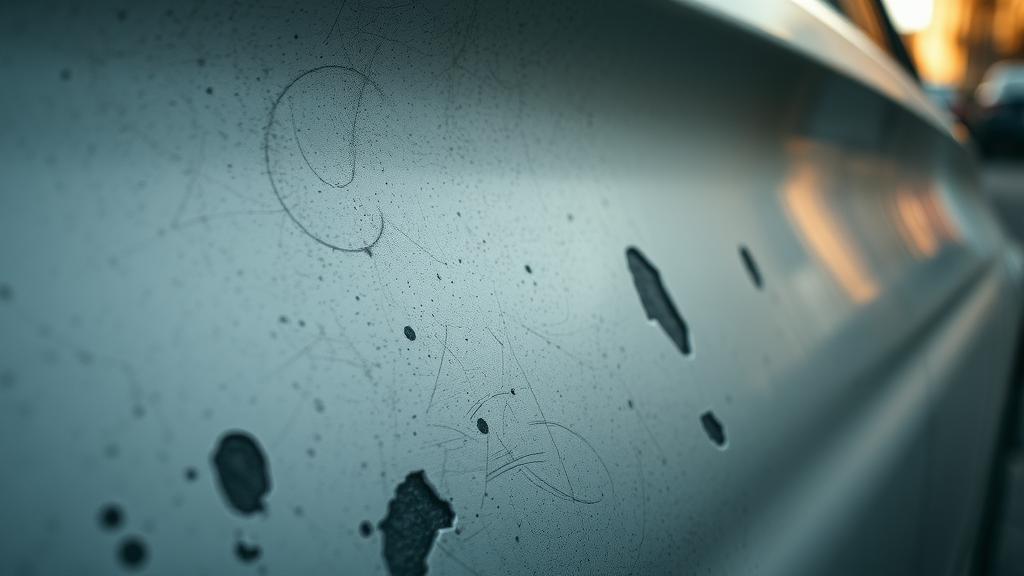
Skipping regular maintenance and ignoring signs of surface damage are surefire ways to reduce your ceramic coating longevity. Failing to remove tree sap, bird droppings, or water spots quickly allows corrosive substances to chew through the protective layer. Meanwhile, using abrasive pads or automatic car washes can create micro-abrasions and swirl marks that further weaken the coating.
- Failing to remove tree sap and bird droppings promptly
- Using abrasive pads or automatic car washes
- Parking in harsh environmental conditions without protection
Staying vigilant, performing quarterly paint inspections, and scheduling regular detailing sessions are essential for catching problems before they erode your coating. A little attention today prevents costly paint correction and reapplication in the future.
Pro Tips to Extend the Life of Your Ceramic Coating
Environmental Shielding: How to Protect Against Sun and Debris
Consistently shielding your vehicle from environmental extremes can add years to the life of your ceramic coating. Whenever possible, park in a garage, use a quality car cover, or select shaded locations. This strategy not only protects against solar UV rays—known to degrade even the toughest coatings—but also defends against tree sap, bird droppings, and windblown debris.
Integrate a habit of inspecting your car for contaminants each time you return home. The faster you remove debris, the less chance it has to damage your vehicle’s protective layer and diminish the glossy finish.
Best Practices for DIY Car Enthusiasts to Ensure Ceramic Coating Longevity
For passionate DIYers, a smart approach to ceramic coating longevity means using gentle hand-washing techniques and investing in the best tools—like microfiber towels, foam applicators, and pH-neutral shampoo. Opt for the two-bucket method to reduce swirl marks, and never skip the drying process to avoid water spots.
Schedule regular maintenance days, follow a strict inspection routine, and document any detected changes, like reduced water beading or uneven gloss. DIYers who actively monitor the lifespan of their ceramic and take preemptive action consistently outperform those who rely on reactive fixes.
When to Reapply: Signs Your Ceramic Coating Needs Attention
Recognizing when your ceramic coat is losing effectiveness is crucial. If water no longer beads and sheets off, if the surface feels rough to the touch, or if you notice stubborn water spots and dullness, it’s time for a refresh. The lifespan of your ceramic can vary, but catching these symptoms early lets you spot-treat problem areas or schedule a professional reapplication before the underlying paint is exposed.
Maintain a checklist of potential red flags and maintenance intervals to maximize your investment and keep your vehicle protected for years.
| Task | Frequency | Warning Sign |
|---|---|---|
| Hand wash with pH-neutral shampoo | Weekly | Loss of water beading, dull surface |
| Apply ceramic-safe quick detailer | Monthly | Surface feels rough, reduced gloss |
| Paint inspection and spot treatment | Quarterly | Persistent water spots, patchy areas |
| Professional reapplication | 2–7 years | Widespread loss of hydrophobic effect, frequent contamination |
People Also Ask: Answers to Common Ceramic Coating Longevity Questions
How long does ceramic coating last?
Answer: Most ceramic coatings last 2–5 years, with some professional products like ceramic pro lasting up to 7 years when properly maintained. Longevity depends on the quality of the ceramic coat and the owner’s maintenance routines.
What is the downside of ceramic coating?
Answer: Ceramic coatings are not fully scratch-proof, can be expensive to apply, and require regular maintenance to achieve full longevity. Incorrect maintenance or exposure to harsh chemicals can reduce their effectiveness.
Can ceramic coating last 20 years?
Answer: No, current ceramic coatings, even professional types, do not last 20 years. Most reputable ceramic coats last between 2 and 7 years. Claims of extreme longevity should be viewed skeptically.
Can I wax over ceramic coating?
Answer: Yes, you can apply wax over ceramic coating, but it is not necessary. Waxing may alter the hydrophobic properties of the ceramic coat and is generally not recommended by professionals for longevity.
Frequently Asked Questions (FAQs) on Ceramic Coating Longevity
- Is ceramic coating suitable for all types of vehicles?
- How do I know if my ceramic coat is still active?
- Can ceramic coatings be reapplied, and how often is it recommended?
Key Takeaways: Maximizing Ceramic Coating Longevity
- Proper maintenance is essential for ceramic coating longevity.
- Avoid harsh chemicals and abrasives to prevent premature wear.
- Pay attention to environmental factors such as sap, rain, and sun exposure.
- Implementing expert-approved routines can make your ceramic coat last years longer.
Conclusion: Elevate Your Investment with Superior Ceramic Coating Longevity
Take Action Today: Protect Your Vehicle’s Finish for the Long Haul With These Hacks
The longevity of your ceramic coating comes down to diligence, informed practices, and commitment to consistent care. Protect your car and enjoy that mirror-shine for years!



Write A Comment