 Add Row
  Add
Add 


"Did you know that over 60% of car owners misunderstand the benefits and limitations of ceramic coating? Let’s unravel the real ceramic coating facts behind the hype."
Surprised? You should be—because what most people think about ceramic coating facts is often far from the truth. Whether you’ve heard that ceramic coatings make your car scratch-proof or require zero upkeep, myths and half-truths abound. This easy-to-read, myth-busting guide unpacks the 7 most common misconceptions about ceramic coating. By the end, you’ll know exactly what protection ceramic coatings provide, where they fall short, and how to make the best decision for your ride.
Understanding Ceramic Coating Facts: What You’re About to Discover
-
The truth behind common ceramic coating myths
-
Real-world ceramic coating facts, not marketing claims
-
Benefits, downsides, and longevity of ceramic coatings
-
Expert insights and recommendations on ceramic coat options
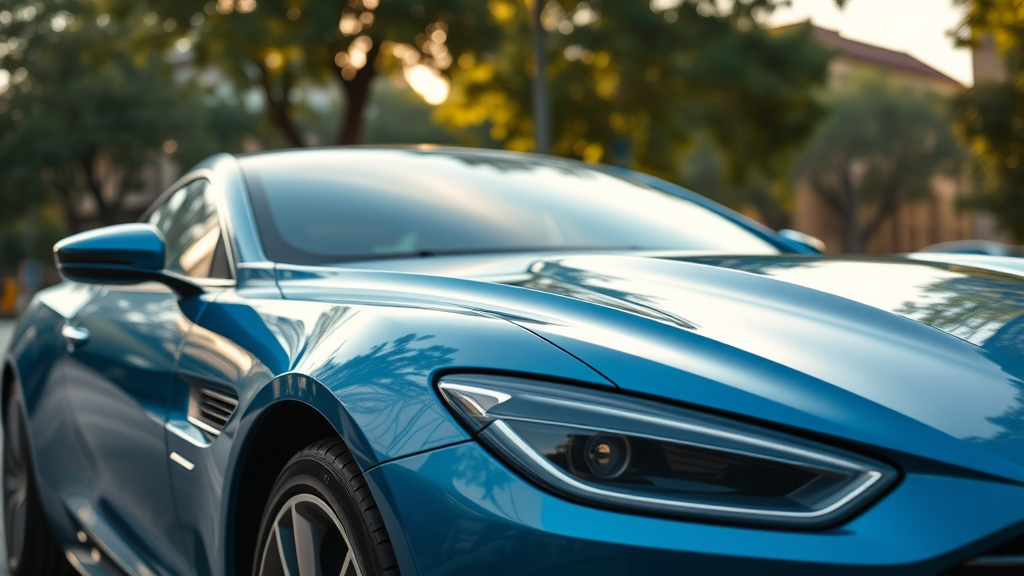
Curious about the real deal on ceramic coating for your car ? In this article, you’ll get straight answers about paint protection, ceramic coats, hydrophobic properties , and much more. We’ll share hands-on examples and expert perspectives so you can protect your car and get the best value for your money—whether you choose pro installation or a DIY kit. Let’s dive into the real facts that matter for your paint job!
Ceramic Coating Facts: Setting the Record Straight
Defining Ceramic Coating, Ceramic Coat, and Ceramic Coatings
-
Clear explanation of what ceramic coatings are
-
Comparison between ceramic coating, ceramic coats, and other options
Ceramic coatings are liquid polymers applied to your car’s paint. Once cured, they form an extra layer on top of your factory clear coat. This invisible shield is much harder than traditional wax and is designed to help block UV rays, bird droppings, tree sap, and roadside contaminants. People sometimes use “ ceramic coat ,” “ceramic coatings,” or “nano ceramic” interchangeably, but they all refer to the same core technology.
There are differences, though! Ceramic Pro and other pro brands—when installed by a trained technician—offer the best durability and shine. DIY options are affordable but rarely match professional results in terms of paint protection and the long run appearance of your vehicle. Ceramic coatings are not the same as paint protection film; films shield against larger rock chips and impacts, while coatings provide water and stain repellency. Choosing between these depends on your paint job , how you use your car, and what kind of protection you want.
The Science Behind Nano Coating and Protective Layer Technology
-
How nano coating forms a durable protective layer
-
Explanation of hydrophobic properties and paint protection
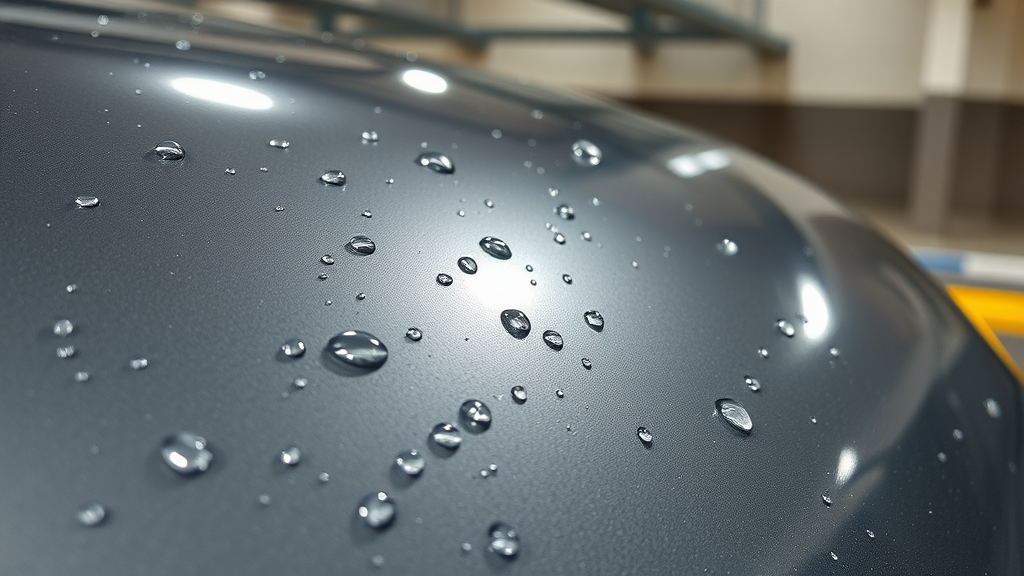
Nano coatings use advanced nanotechnology, where microscopic particles bond to your car’s surface, creating a super-thin but tough protective layer that boosts paint protection . This barrier is so tight that it resists water, grime, and chemical stains. Thanks to its hydrophobic properties , rain, mud, and even bird droppings are less likely to stick—making cleanup much easier and helping to maintain the appearance of your vehicle . The coating also helps slow down damage from UV rays that can fade your paint job over time.
These tiny particles don’t just repel water—they also help stop swirls and light scratches by adding an extra layer of hardness to your factory finish. When you invest in a high-quality ceramic coating, you’re not just getting extra shine; you’re getting next-level paint protection . However, no matter how advanced the technology, all coatings have their limits, which is why it’s important to set realistic expectations about what they can and can’t do.
Myth #1: A Ceramic Coat Makes Your Car Completely Scratch-Proof
Ceramic Coating vs. Reality: Debunking Scratch-Proof Claims
-
How much scratch resistance ceramic coatings really provide
-
Protective layer limitations you need to know
Ceramic coatings do not make your car completely scratch-proof—this is one of the most important ceramic coating facts to understand when considering paint protection. The protective layer from a ceramic coating can resist minor scratches caused by things like soft brushes or accidental swipes, but it won’t stop harsh scrapes, deep swirl marks, or rock chips. Think of it as a helmet for your paint, not an invincible forcefield. The coating can help your car look better for longer by reducing the chances of light surface damage, but if a shopping cart hits your door, you’ll still see a dent or gouge.
"No ceramic coating can render your car invincible; it’s a shield, not a suit of armor."
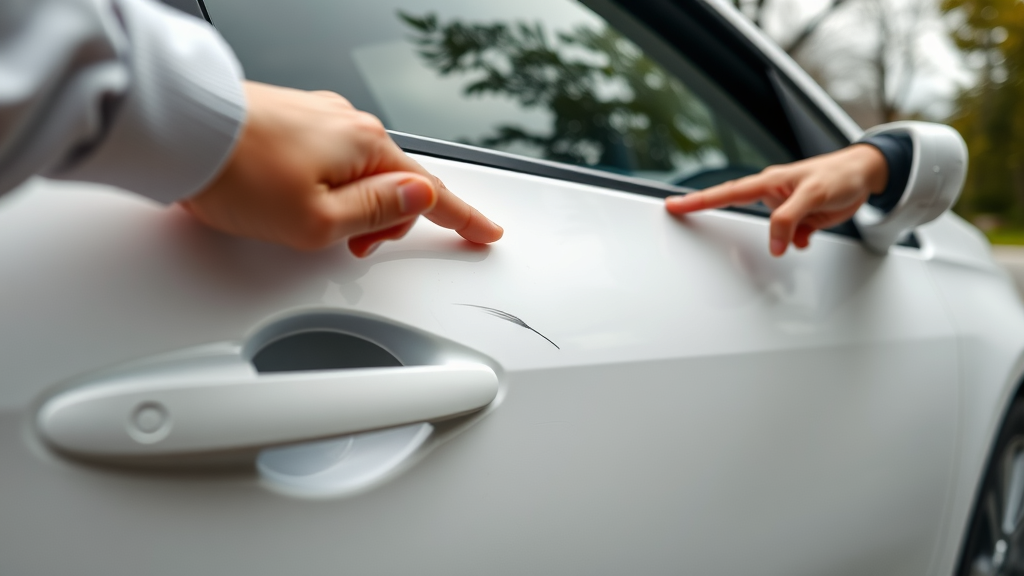
It’s also important to understand the role of the factory clear coat on your paint. The ceramic layer works best as an enhancer to the clear coat, not a replacement. If you want more serious paint protection —for example, against direct impacts or deep scratches—consider adding a paint protection film on top of the ceramic coating. Ultimately, while ceramic coatings provide excellent resistance to everyday wear and tear, there is no single product that will completely protect your car from every scratch.
Myth #2: Ceramic Coating Eliminates the Need for Any Maintenance
Ceramic Coating Facts About Care and Cleaning
-
The importance of washing and routine maintenance
-
How to properly care for a ceramic coated car
Some believe that a ceramic coating means they’ll never have to wash their car again, but proper care and maintenance are essential to preserve the hydrophobic properties and long run durability. The reality is, even with top-tier ceramic coatings , regular maintenance is critical to maintain the appearance of your vehicle and get the most out of your investment. Dust, pollen, bird droppings, and tree sap can still accumulate on the surface. The difference is, coated vehicles are much easier to clean, and sticky contaminants don’t bond as quickly to your paint job.
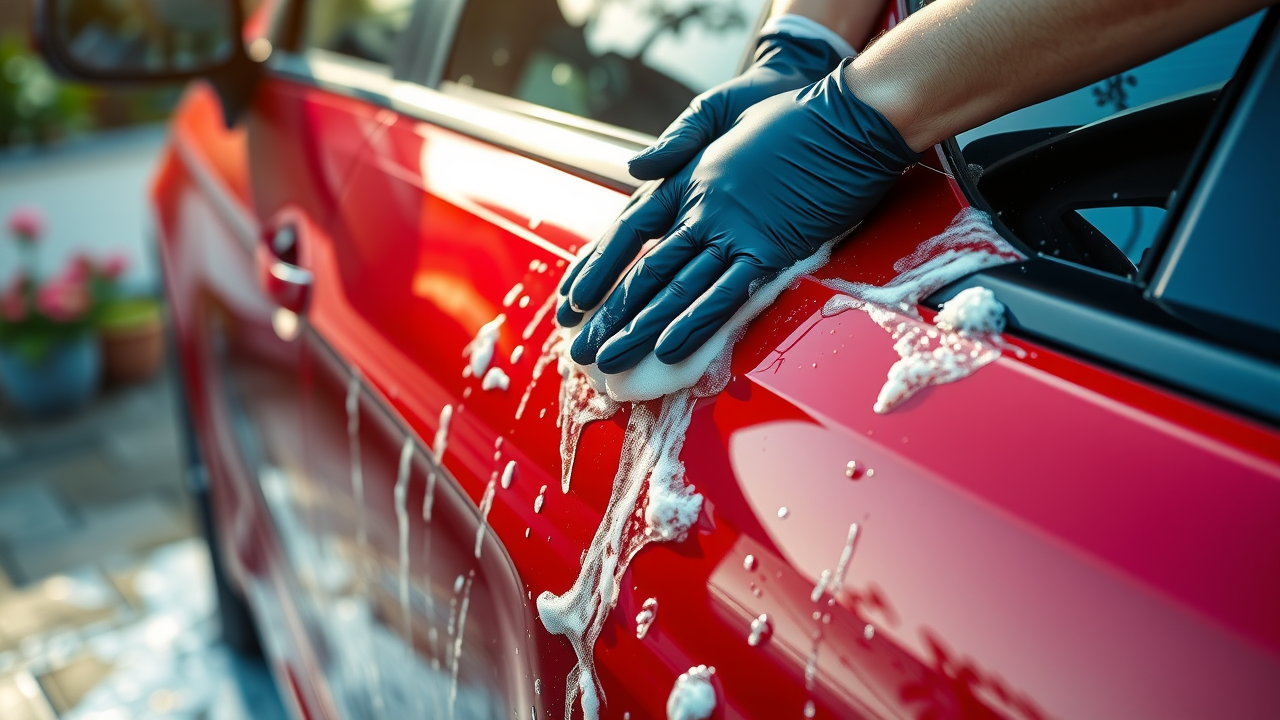
To care for your ceramic-coated car, stick to gentle hand washing using pH-neutral soaps. Avoid abrasive sponges or dirty towels that can introduce swirl marks to your clear coat. Washing every week or two, along with periodic inspections of the protective layer , will help extend the coating’s lifespan. Avoid automatic washes with harsh brushes that can scratch the coating. A little proper care goes a long way in making your ceramic coating last and look its best.
Myth #3: All Ceramic Coatings Offer the Same Protection
Comparing Ceramic Pro and Other Ceramic Coat Brands
-
Differences in paint protection and durability
-
What sets pro-grade nano coatings apart
Not all ceramic coatings are created equal; premium brands like Ceramic Pro offer superior nano coating technology and longer-lasting paint protection. Ceramic Pro and other high-end professional products often use multiple layers and advanced nano coating technology for enhanced paint protection . These coatings might last several years and withstand more abuse compared to basic DIY kits. Pro-grade coatings typically require skilled application, which ensures better coverage and a more resilient finish for your paint job.
DIY ceramic coatings are growing in popularity because of their affordability and convenience, but they usually offer shorter protection periods (sometimes only a year or less) and less resistance to heavy contaminants like bird droppings or tree sap. If you want maximum hydrophobic properties, stain resistance, and easier long run maintenance, investing in a reputable brand with professional installation is your safest bet. Understand what different coatings offer before making your decision—sometimes spending a little more upfront saves a lot in later repairs and reapplications.
Myth #4: DIY Ceramic Coating Is Just As Effective As Professional Application
Ceramic Coating Facts: DIY vs Professional Results
-
Risks of improper application
-
Long run outcomes of DIY vs pro-installed ceramic coatings
Applying a ceramic coating may seem as simple as “wipe on, buff off,” but professional application ensures even coverage and maximizes the long run benefits of your ceramic coat. Professional installers prep your car with paint correction and ensure even, thorough coverage of the nano ceramic product. DIY installers, by contrast, are prone to uneven application, missed spots, or high spots that can cause unsightly streaks and reduce protection for your car . Improperly applied coatings might also make future cleaning more difficult.
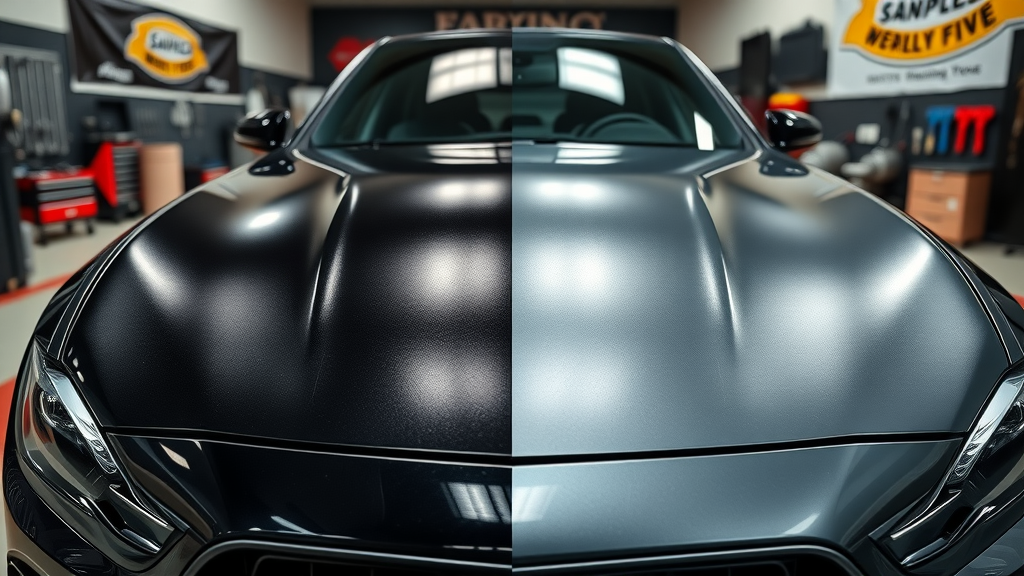
Over time, a professionally installed ceramic coat will likely look better and last longer than most home-applied options. While pro application is more expensive initially, it tends to provide higher resistance to swirl marks, UV rays, and chemical stains. For many car owners, spending extra for expert installation means long run satisfaction and less worry about the need for paint correction down the road. Consider your skill level and patience before choosing the DIY route for your ceramic coating.
Myth #5: Ceramic Coat Means Never Waxing Your Car Again
Why You Might Still Need Additional Protection
-
Wax vs ceramic coat explained
-
Hydrophobic properties and their limits over time
Ceramic coatings and waxes serve similar purposes, but ceramic coats provide longer-lasting paint protection and enhanced hydrophobic properties compared to traditional wax. Whereas traditional wax provides short-term shine and a basic layer of protection, a ceramic coat forms a much tougher, longer-lasting barrier with hydrophobic properties . That means water, mud, and dirt roll off easily, and your paint job stays cleaner in between washes. However, after several years or in harsh environments, the hydrophobic effect can start to weaken if the coating is not refreshed.
While it’s true you don’t “need” to wax a ceramic-coated car in the same way as an untreated one, adding a light wax or sealant periodically can help enhance the gloss and prolong the hydrophobic characteristics. This is especially helpful after the ceramic coating starts showing signs of wear. In short, waxing isn’t required, but it can be a smart move for those who want to maintain maximum shine and water-repelling effects year-round.
Myth #6: Ceramic Coatings Last Forever
Realistic Longevity of Ceramic Coating Facts
-
Expected lifespan of various ceramic coatings
-
Factors that affect ceramic coating durability
No ceramic coating lasts forever, even with perfect care; understanding the realistic lifespan and maintenance needs is key to maximizing your coating for car protection. Most professional-grade coatings last between two and five years, while DIY kits often last around a year. Longevity depends on several factors—brand, environment, driving habits, and most importantly, maintenance. UV rays , road salt, frequent washing, and how often your car is exposed to the elements all play a big part in how quickly your coating fades.
If you live in a harsh environment or frequently drive on rough roads, you can expect to see hydrophobic effects decline sooner, especially if you don’t maintain the coating properly. Some high-end coatings offer warranties of up to seven years, but even these will need periodic inspection and occasional topping up to keep your car looking and performing its best. Recognize these limits, and you’ll appreciate the real ceramic coating facts —and be prepared for proper upkeep.
Myth #7: Ceramic Coatings Are Only About Looks, Not Performance
Benefits of Ceramic Coating Beyond Shine
-
Paint protection and resistance to stains
-
Improved cleaning due to hydrophobic properties
While ceramic coatings are famous for their high-gloss, mirror-like finish, the real benefits of ceramic coating include superior paint protection and hydrophobic properties that improve cleaning and durability. The advanced nano coating formulas increase resistance to stains, harsh chemicals, acid rain, tree sap, bird droppings, and common environmental hazards. This means less time spent cleaning and less risk of damage to your paint job over time.
"The benefits of ceramic coatings go far beyond a glossy finish—they’re about preserving your investment."
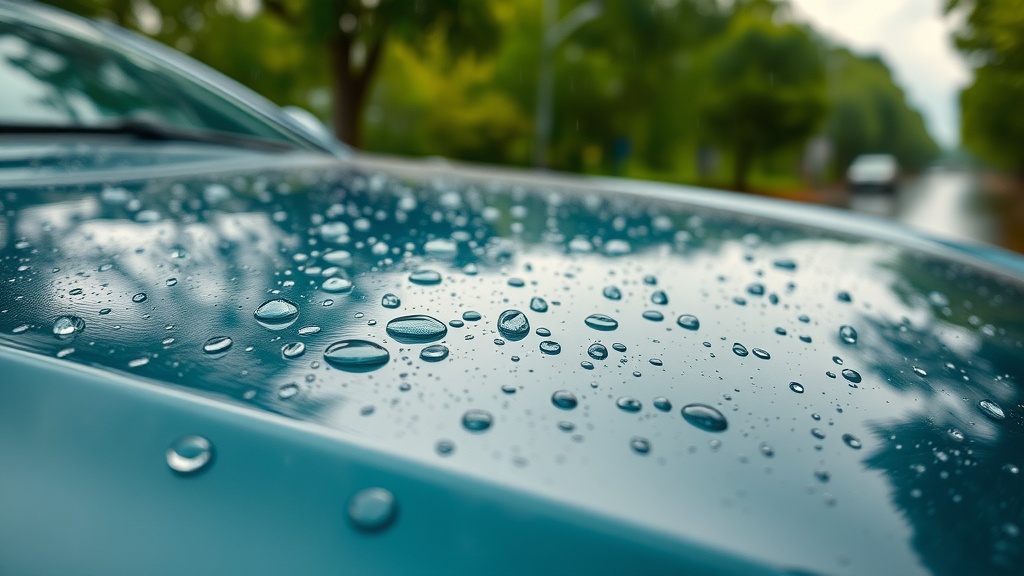
The hydrophobic properties make washing your car a breeze—water and debris bead up and slide away, not only saving you effort but also reducing long run maintenance costs. Even small things, like less brake dust sticking to wheels or fewer bug stains on the front bumper, make a daily difference. In the end, ceramic coatings protect your vehicle’s value while keeping it looking newer, longer.
What is the Downside to Ceramic Coating?
Answer
-
Potential costs
-
Possible application errors or poor results from improper maintenance
-
Not entirely resistant to all environmental hazards
Despite all the perks, ceramic coating does come with some downsides. Professional-grade coatings can be quite expensive, sometimes costing several hundred to over a thousand dollars. If the application isn’t done correctly, you might see streaks, missed areas, or reduced protection. Also, ceramic coatings aren’t a cure-all—they won’t defend against major impacts, rock chips, or deep scratches. For complete paint protection , a paint protection film might be a better fit for some drivers.
What Do You Need to Know About Ceramic Coating?
Answer
-
Understanding the protective layer and care requirements
-
Realistic expectations about benefits and requirements
Before investing in a ceramic coating , know that you’ll need to wash your car regularly and avoid harsh chemicals. Setting honest expectations is key: ceramic coatings offer fantastic everyday protection and make upkeep easier, but they won’t make your car invincible. A little proper care ensures you truly benefit from the technology and keep your paint job looking great for years.
How Long Does a Ceramic Coating Actually Last?
Answer
-
Factors affecting how long a ceramic coat endures (brand, care, environment)
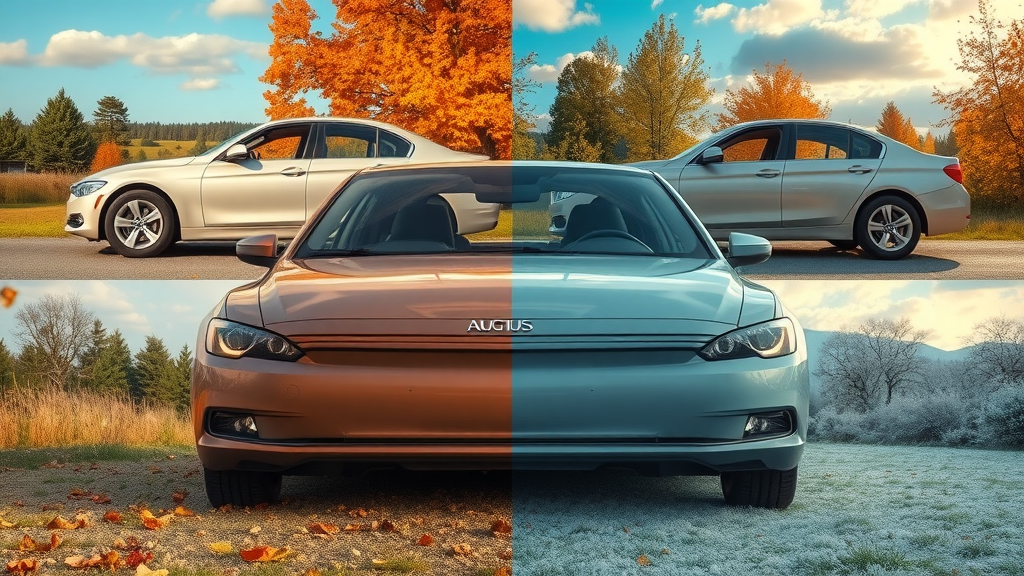
The actual lifespan of a ceramic coat depends on which product you choose, the quality of the application, your washing habits, and the environment your vehicle lives in. DIY products can last a year, while high-end professional nano coating brands often offer 2–7 years of tough paint protection . Keep your coating fresh by following recommended cleaning routines and having it checked every year.
What are the Benefits of a Ceramic Coating?
Answer
-
Improved paint protection
-
Long run cost savings in maintenance
-
Enhanced hydrophobic properties and easy cleaning
The benefits of ceramic coating are many: you’ll experience better paint protection against minor scratches, chemical stains, and UV rays. Over time, easier cleaning leads to less wear and fewer expensive treatments, saving you money. The slick, hydrophobic surface also means water and dirt bead up and roll away, so your car looks great between washes—and stays that way longer.
Ceramic Coating Facts Recap: Key Points to Remember
-
Summary of each myth and the real ceramic coating facts
-
Importance of setting realistic expectations
Ceramic coating facts show that coatings aren’t magic: they don’t make your car scratch-proof, invincible, or maintenance-free. Professional application outperforms DIY. The big win is in easier cleaning, better everyday paint protection , and maintaining the value and appearance of your vehicle. Know what to expect, and you’ll be happier with the results in the long run.
-
Consult a professional before choosing a ceramic coat option
-
Regular maintenance ensures the best results
-
Consider both performance and aesthetic benefits

Expert Answers: Common Ceramic Coating FAQs
-
Is ceramic coating worth it for all cars?
-
Can a ceramic coating be removed?
-
Does a ceramic coat void your paint warranty?
-
How do I maintain my ceramic coating?
Is ceramic coating worth it for all cars?
For most cars, yes! It’s especially valuable if you want easier maintenance, added hydrophobic properties, and a long-lasting shine. Serious off-roaders or show-car owners benefit the most. But if your vehicle already has severe paint damage, correct that issue first for best results.
Can a ceramic coating be removed?
Yes—ceramic coatings can be removed, but it requires professional paint correction or machine polishing. Unlike a wax, it’s not something that wears off in just a few washes, so removal is best left to experts.
Does a ceramic coat void your paint warranty?
No, most ceramic coatings—including top brands like Ceramic Pro—do not void the manufacturer’s paint warranty. In fact, many automakers approve their use. Be sure to check with your dealership or paint manufacturer for your specific situation.
How do I maintain my ceramic coating?
Regularly wash with a soft mitt, pH-neutral soap, and avoid abrasive sponges. Inspect your car’s coating every few months, and consider using a liquid “topper” spray or sealant as the coating matures to keep hydrophobic properties strong.
"Ceramic coating is an investment in your car’s longevity, not just its looks."
Next Steps: Secure Professional Paint Protection with Ceramic Coating
-
Ready for real ceramic coating facts?
-
Call us today at 714-726-5161 for expert advice or to schedule your ceramic coating.
A professional auto detailer explains and demonstrates ceramic coating myths and truths, showing real-world tests on various car surfaces.
See the essential steps and best practices for cleaning and maintaining your ceramic-coated vehicle for long-term results.
View side-by-side comparisons of professional versus at-home ceramic coat applications, and learn which delivers stronger protection and appearance.
Take action: Consult with a ceramic coating specialist, keep up with maintenance, and enjoy your car’s newfound protection and shine!




Write A Comment